24-Hour Vs 48-Hour Holter Monitor: Which Test Do You Need?
Your doctor may recommend Holter monitoring if you have symptoms like heart palpitations, chest discomfort, dizziness, or unexplained fatigue. These symptoms do not always occur during a clinic visit and may not be detected on a standard ECG.
A Holter monitor is a small wearable ECG device that continuously records your heart’s electrical activity over an extended period. The most common options are 24-hour and 48-hour Holter monitoring – both are used by cardiologists to detect intermittent heart rhythm problems.
But what is the difference between a 24-hr and a 48-hr Holter monitor, and how do you know which test you need? This guide explains how each test works, the key differences, and when your cardiologist may recommend one over the other.
Book Your Holter Monitor Online
What is an ECG Holter Monitor?
The Holter monitor is named after Dr Norman J. Holter, an American Biophysicist, who developed this ECG monitoring technology. It is a portable medical device that records the heart’s electrical activity for an extended period, most commonly 24 or 48 hours.
Small electrodes are placed on the patient’s chest and connected to the monitoring device. These electrodes continuously record the heart rhythm while the patient goes about normal daily activities. After the monitoring period ends, a cardiologist analyses the recorded ECG data to detect abnormalities such as irregular heart rhythms (arrhythmias), palpitations, or pauses in the heartbeat.
Why is Continuous ECG Monitoring Important?
According to data from the British Heart Foundation (BHF), around 8 million people in the UK live with cardiovascular disease, and nearly half of the population may develop a heart or circulatory condition during their lifetime. With such widespread risk, identifying heart symptoms early is essential.
A Holter monitor helps cardiologists capture detailed information about your heart rhythm over time. This portable ECG monitoring device continuously records the heart’s electrical activity while you go about your normal daily activities.
It is especially useful when symptoms such as palpitations, dizziness, or irregular heartbeats occur occasionally and cannot be detected on a routine ECG in the clinic.
24-Hour Vs 48-Hour Holter: All You Need to Know
Duration Difference
A 24-hour ECG monitor records cardiac activity for one full day, while a 48-hour Holter monitor records it for two days. The choice between them depends on the patient’s symptoms and clinical assessment, as a longer monitoring period can sometimes improve the chances of detecting intermittent heart rhythm problems.
Installation Guide
The installation process for a 24-hour and 48-hour Holter monitor is the same. The only difference between the two tests is the duration of monitoring. The device is usually fitted at a cardiology clinic or hospital by a trained healthcare professional.
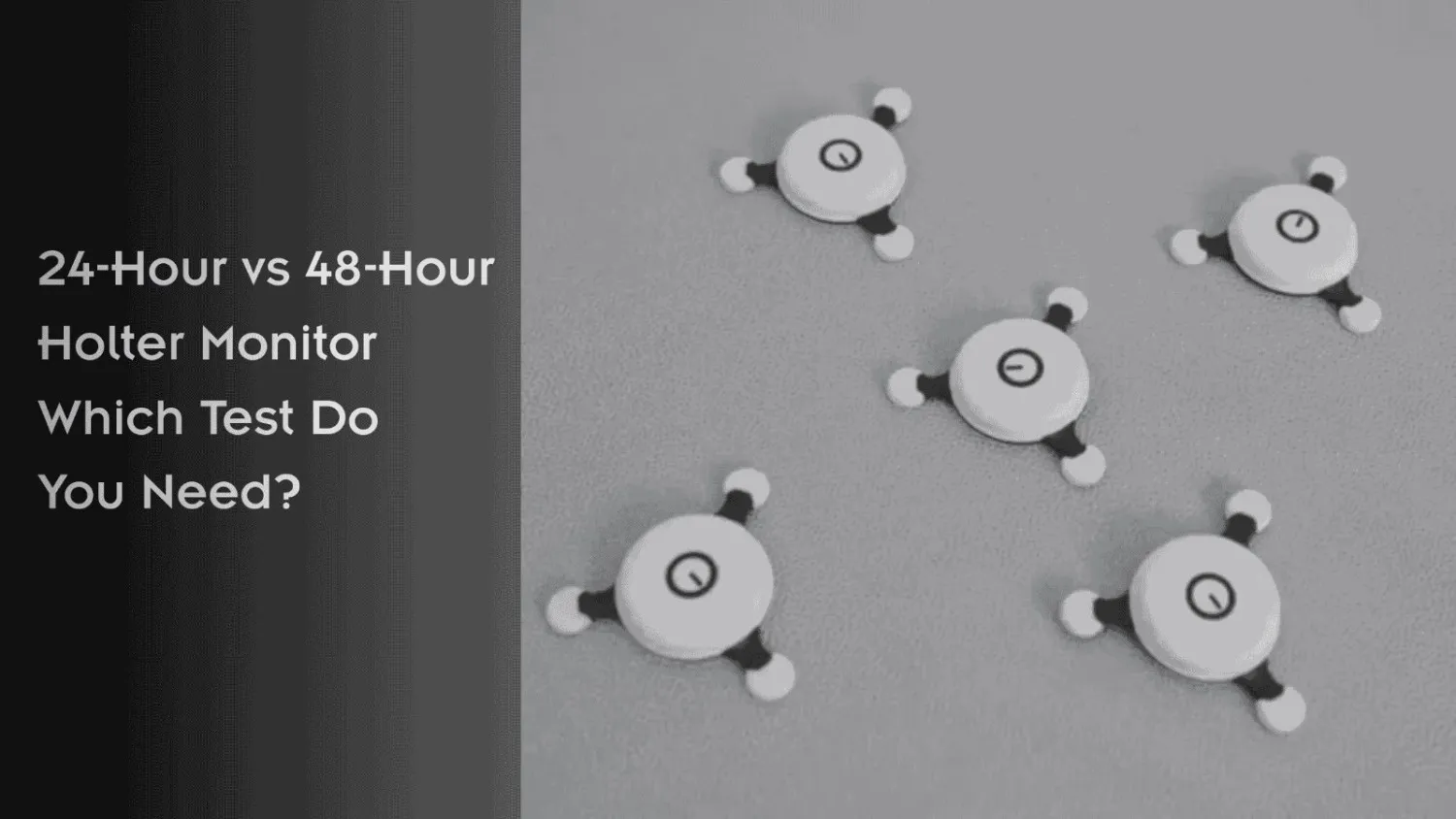
Small ECG electrodes are placed on the patient’s chest and connected to the portable Holter monitor. These electrodes continuously record the heart’s electrical activity while the patient goes about normal daily activities.
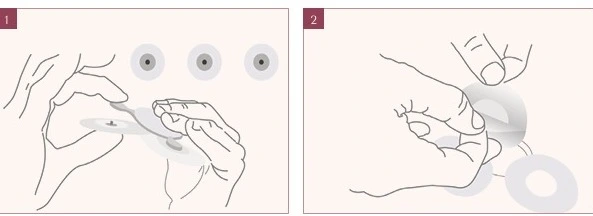
The typical installation process includes the following steps:
- Connect one electrode to each electrode connector on the legs of the monitor.
- Prepare the electrodes by removing the protective plastic from the adhesive surface.
- Place the monitor securely on the chest to capture clear heart rhythm data.
- Press each electrode slightly onto the skin to ensure proper contact and remove trapped air.
- Activate the device by turning on the monitor, and ensure the green light begins blinking, indicating that the ECG recording has begun.
Advantages of 24-Hour and 48-Hour Holter Monitors
24-Hour ECG Holter
- Records heart activity over a full day with normal daily activities as well as during sleep
- Convenient to wear due to short duration
- Best for detecting intermittent symptoms that occur within 24 hours
48-Hour ECG Holter
- An extended monitoring period increases the chances of detecting heart disease.
- Provides a comprehensive heart rhythm data
- Best for detecting less frequent symptoms and arrhythmias with enhanced accuracy
Limitations: 24-Hr Vs 48-Hr ECG Monitoring
24-Hour Electrocardiogram Monitoring
- Cardiac abnormalities that occur infrequently, usually once a day, may be missed.
- A short monitoring period may reduce diagnostic accuracy.
- Requires a clinic visit for Holter installation and removal.
48-Hour Electrocardiogram Monitoring
- Wearing the Holter for 2 days may feel uncomfortable.
- Adhesive electrodes may cause skin irritation or rashes.
- Requires a clinic visit for Holter installation and removal.
- The 48-Hour Holter monitor generally costs more because it involves extended monitoring compared to a 24-hour test.
Read More: Guidelines for Sleeping with a Holter Monitor
Interpreting 24hr and 48hr ECG Monitor Results
Interpreting Holter monitor results requires medical expertise. A healthcare professional analyses the recorded ECG data to detect abnormalities in heart rhythm and electrical activity.
These findings may indicate conditions ranging from minor irregularities, such as occasional palpitations, to more significant issues, such as arrhythmias.
The extended 48-hour monitoring period can improve diagnostic accuracy by capturing intermittent rhythm abnormalities that may not be detected during shorter monitoring periods.
24Hr or 48Hr Holter: Which One is Right for You?
If you experience frequent symptoms, such as palpitations, a 24-hour heart monitor is often sufficient to analyse the heart’s electrical activity. Cardiologists may also recommend it to assess how well an ongoing heart treatment is working.
A 48-hour Holter monitor is usually recommended when symptoms occur infrequently, as the extended monitoring period increases the likelihood of capturing irregular heart rhythms.
The final choice depends on your symptom frequency and your cardiologist’s recommendation. If longer monitoring is needed, Dr. Francesco Lo Monaco also offers 72-hour, 7-day, and 14-day Holter monitoring to help detect less frequent heart rhythm abnormalities.
When to Choose a Longer-Duration Holter?
Sometimes heart symptoms do not occur every day, making them difficult to detect during short monitoring periods. In such cases, your cardiologist may recommend a longer-duration Holter monitor to capture heart rhythm changes over an extended time.
Along with 24-hour and 48-hour Holter monitoring, Dr Francesco Lo Monaco also offers 72-hour, 7-day, and 14-day ECG monitoring in London. These extended monitoring options are particularly useful when symptoms are infrequent and require a longer observation period. They provide more comprehensive data on heart rhythm patterns, thereby increasing the chances of detecting irregular heart activity.
Extended ECG monitoring offers several advantages, including:
Comprehensive Data Collection
An extended heart evaluation through an ECG Holter provides detailed insights into your heart’s electrical activity and overall health.
Better Detection of Infrequent Symptoms
Longer-duration ECG monitoring is ideal for capturing infrequent palpitations, making it highly effective at detecting occasional heart ratedisturbances.
Designed for Comfortable Daily Wear
Modern Holter monitors are lightweight and designed for extended use, allowing patients to continue normal daily activities with minimal disruption.
Improved Diagnostic Accuracy
Longer monitoring periods increase the likelihood of detecting intermittent or paroxysmal heart rhythm abnormalities.
Widely Used in Modern Cardiology
Extended Holter monitoring is increasingly used in healthcare systems, including the NHS, to diagnose sporadic cardiac arrhythmias more accurately.
Bottom Line
Choosing between a 24-hour and a 48-hour Holter monitor depends on your symptoms, medical history, and professional medical advice. Both tests provide valuable insights into heart rhythm and help detect potential cardiac abnormalities. The right option varies for each patient, which is why consultation with a healthcare professional is essential. Book your Holter Monitor test today and take a proactive step toward understanding your heart health and receiving the best possible care.