
PRIVATE ECHOCARDIOGRAM LONDON | HEART SCAN
Price: £390
Duration: 20-30 Minutes
All Heart Tests in One Day
State-of-the-Art Diagnostics
Wide-Range Of Cardiac Expertise



WHAT IS A TRANSTHORACIC ECHOCARDIOGRAM?
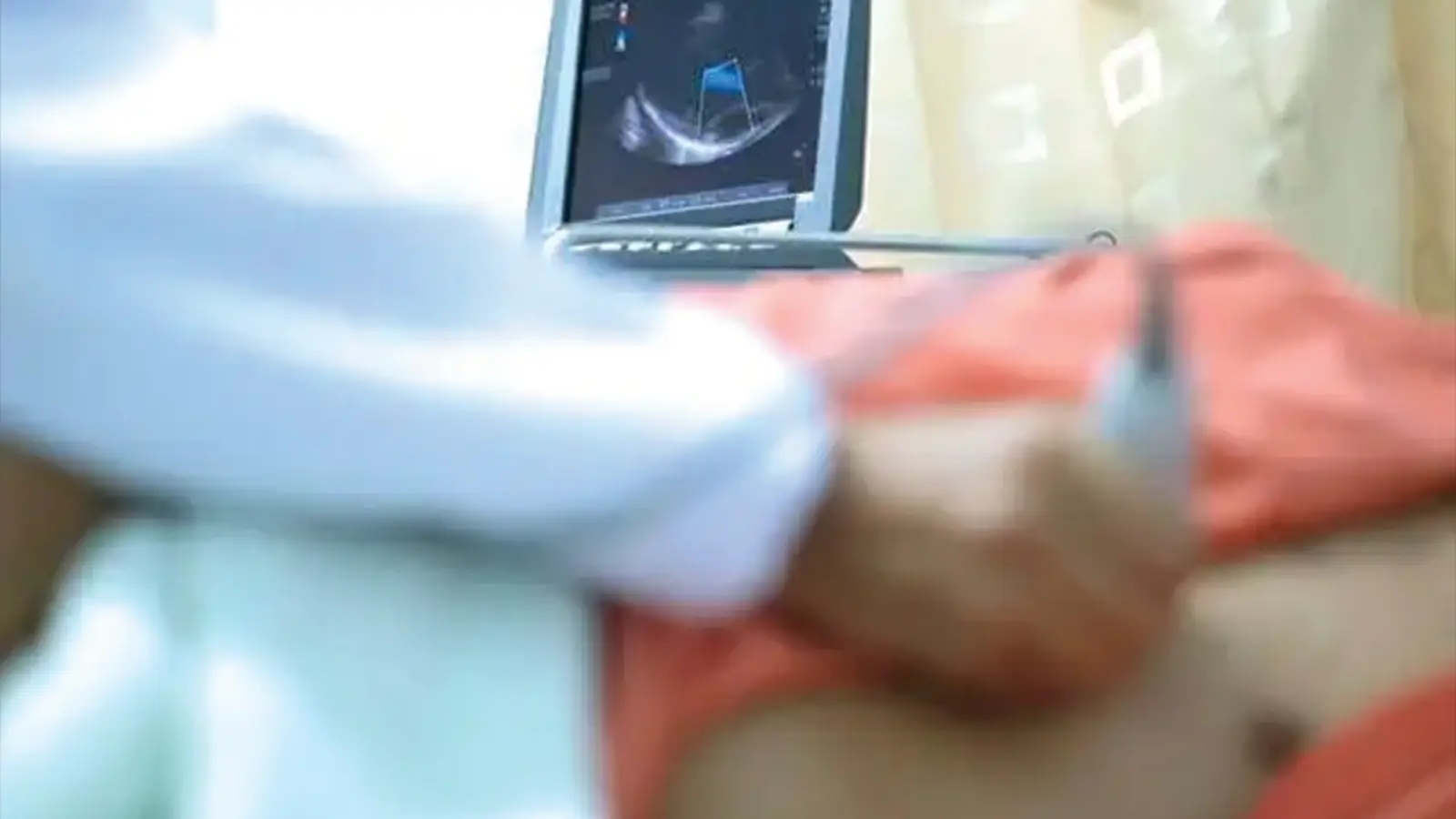
A transthoracic echocardiogram or heart ultrasound is a safe, painless, and non-invasive test, your cardiologist request to check whether you are suffering from a heart disease or condition. It uses sound waves to create real-time images of your heart to analyse heart’s structure, rhythm, and blood flow to detect any abnormalities.
What to Expect in Your Heart ECHO?
Before Your Echocardiogram
You can book your private echo as a self-pay patient or through a referral. Usually, there are no specific fasting requirements, and you don’t need to stop your medicine unless your doctor advises it. Make sure to inform your doctor about all medicines you take, even those without a prescription. Your cardiac sonographer will explain the procedure and answer any questions you may have.
During Your Echocardiogram
For an echo scan, you will be asked to remove your clothing from the waist up. Your echocardiographer will place three sticky sensors (electrodes) on your chest and connect them to a monitor that tracks your heart’s electrical rhythm. You will be asked to lie on your left side on the examination couch.
The sonographer will move a hand-held transducer (with a small amount of gel) over different areas of your chest. The gel helps the sound waves travel clearly and won’t irritate your skin. The probe sends high-frequency sound waves that create echoes when they bounce off different heart structures, creating a live, moving image on the screen.
You may hear soft whooshing sounds during parts of the test; this is completely normal.
You may also be asked to shift position a few times, or briefly hold your breath to capture clear images from different angles. The whole echocardiography procedure typically takes about 20-30 minutes.
After Your Echocardiogram
The echocardiography report is usually available on the same day as your appointment. Dr Francesco Lo Monaco will analyse your echo results and explain the findings. You can discuss your concerns and queries during your consultation. Dr Lo Monaco will discuss any requirement for further tests, medications, or procedures, depending on your echo results.
How to Prepare for AN Echocardiogram?
No special preparation is required for your echo test. Eat, drink, and take your usual medications as normal, unless your doctor advises otherwise. Wear loose and comfortable clothes. The test carries no radiation, so it’s safe to have it even if you’re pregnant.
TYPES OF ECHOCARDIOGRAMS
Stress Echo
Stress Echocardiograms evaluate how your heart functions under physical stress. It is especially useful for detecting coronary artery disease or restricted blood flow that may not be visible at rest.
Transoesophageal Echocardiogram (TOE)
A TOE scan provides clear visuals of heart valves and chambers using a probe that is passed gently down the throat.
Foetal Echocardiogram
This test examines the fetal heart to identify structural or rhythm abnormalities, ensuring timely monitoring and treatment if needed.
Bubble Echo
A Bubble Echocardiogram uses imaging ultrasound and sterile saline with microbubble contrast to precisely detect a hole in the heart or any blood flow abnormalities.
Contrast Echocardiogram
This heart echo scan involves injecting a contrast agent into the bloodstream to enhance echocardiographic resolution and detect subtle abnormalities more accurately.
WHY YOU MIGHT NEED A PRIVATE ECHO HEART SCAN?
An echocardiogram helps doctors identify structural and functional abnormalities in the heart. It analyses how blood flows through the heart and provides an assessment of its pumping efficiency. Early diagnosis can prevent disease progression and complications. A private heart echo test can help detect:
What an Echocardiography Doesn’t Replace?
An echocardiogram does not directly detect blocked arteries or intermittent heart rhythm problems. For long-term heart rhythm monitoring, a Holter Monitor can be the preferred choice. Please remember, an echo scan doesn’t replace an urgent emergency for active chest pain.
How Much Does a PRIVATE Echocardiogram Cost IN LONDON?
Our standard transthoracic echocardiogram costs £390, that includes full scan, a face-to-face consultation with Dr Lo Monaco to discuss the images in real time, and a written report within 24–48 hours. Specialist scans, such as a stress echocardiogram or transoesophageal echo (TOE), are priced differently our team will confirm the exact cost before your appointment.
PRIVATE ECHOCARDIOGRAM RESULTS AND REPORT
Once your echocardiogram is complete, Dr Lo Monaco carefully reviews the recorded images and prepares a detailed report on the heart’s structure and function. It may include an assessment of the heart chambers, pumping function, heart valves, and blood flow. Dr Lo Monaco can then discuss your results with you, explaining what the findings mean in reference to your symptoms, medical history, and overall heart health. If further tests, monitoring, or treatment are recommended, these can be discussed as part of your ongoing care.
Conveniently Pay for Your Private Heart ECHO
Self-Pay Patients
Patients who prefer to pay directly can book appointments without insurance. We offer various self-pay options for initial & follow-up consultations and diagnostic tests, including pay-as-you-go, debit or credit card payments, and PayPal.
Insured Patients
If you have private medical insurance, consultations and tests can be covered depending on your policy. We work with most major UK insurance providers, including AXA, Aviva, Bupa, and Vitality.







Book Your Private Echocardiogram in London
Get fast access to specialist-led cardiac ultrasound with Dr Francesco Lo Monaco in London. Same-day appointments and results, no GP referral required.