
PRIVATE CAROTID DOPPLER LONDON | CAROTID ARTERY ULTRASOUND
Price: £390
Duration: 15-20 Minutes
Carotid Duplex | Carotid Scan
All Heart Tests in One Day
State-of-the-Art Diagnostics
Wide-Range Of Cardiac Expertise



WHAT IS CAROTID DOPPLER?
Carotid arteries are the two main blood vessels in the neck responsible for supplying oxygenated blood to the brain. Carotid Duplex is a specialist scan that uses high-resolution Ultrasound and Doppler imaging to assess the blood flow through the carotid arteries and detect stenosis, plaque, and stroke risk. On the basis of the results, Dr Lo Monaco decides if the issue can be managed by medicine and lifestyle adjustments or if a surgical intervention is required.

Consultant-Led, Same-Day Private Carotid Doppler London
Book your private Carotid Doppler scan with Dr Francesco Lo Monaco at The National Heart Clinic, Harley Street, London. Access same-day testing, consultant-led care and expert review of results by an experienced cardiologist.
Private Carotid Doppler London: What to Expect?
Preparing for Your Carotid Ultrasound
You don’t need specific preparations for your carotid scan – no fasting or skipping medicine is required unless you are advised by your doctor otherwise. Wear comfortable clothes, especially a top with a low or open neckline, to make the scan convenient. Avoid wearing jewellery and necklaces.
During Your Carotid Ultrasound
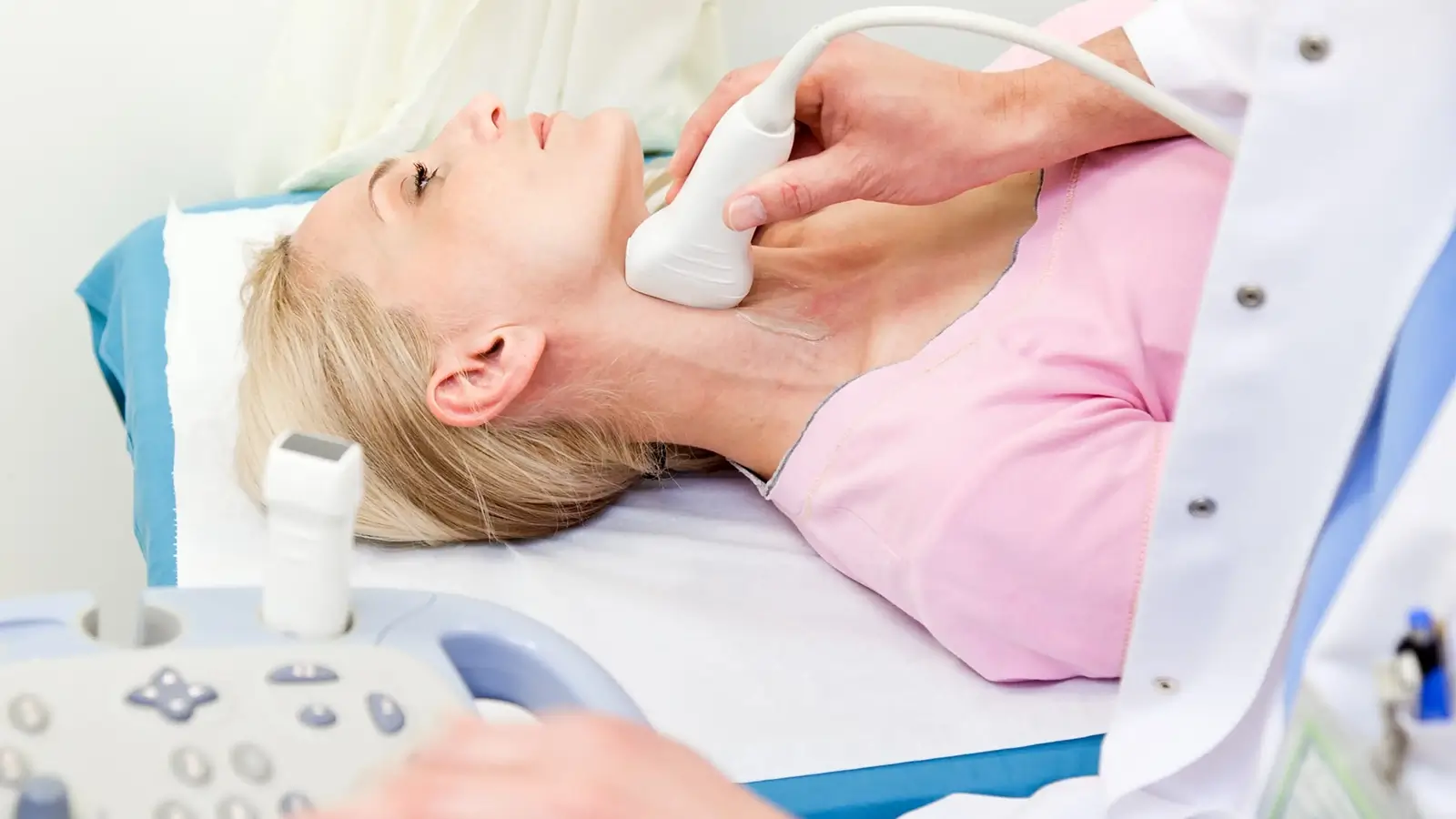
You are asked to lie flat on the examination bed with your head slightly tilted opposite to the neck side being scanned. The sonographer applies a small amount of gel on the probe (a small handheld device) and gently moves it across your neck with a little pressure. The probe uses high-frequency sound waves to capture clear images of the carotid arteries from different angles. The scan helps detect any abnormalities in blood flow and narrowing or blocking of arteries. The test takes around 15-20 minutes to complete.
After Your Carotid Ultrasound
Carotid scans usually cause no side effects and don’t require any precautions. You can safely drive and go home without needing a rest period. If you feel any unusual signs, please inform your doctor and cardiology team.
Results of Your Private Carotid Artery Doppler
The results of your carotid ultrasound will be available the same day of your test. Dr Lo Monaco will review the reports and let you know the findings and treatment options based on your symptoms, overall health, and severity of the blockage.
WHY IS A CAROTID ARTERY DOPPLER DONE?
A Carotid Doppler Ultrasound Scan is performed to detect changes in normal blood flow through the Carotid arteries. It helps identify the cardiac issues early before they cause complications such as:
How Much is a Private Carotid Doppler Ultrasound?
Dr Lo Monaco offers private Carotid artery Doppler at £390, which includes a consultation, a detailed discussion about the results of your carotid scan, and possible treatment options.
Conveniently Pay For Your Private Carotid Doppler in London
Self-Pay Patients
Patients who prefer to pay directly can book appointments without insurance. We offer various self-pay options for initial & follow-up consultations and diagnostic tests, including pay-as-you-go, debit or credit card payments, and PayPal.
Insured Patients
If you have private medical insurance, consultations and tests can be covered depending on your policy. We work with most major UK insurance providers, including AXA, Aviva, Bupa, and Vitality.







BOOK A CARDIOLOGY APPOINTMENT ONLINE
If you’ve recently had a specialist heart checkup and feel unsure about the diagnosis or treatment plan, getting a second opinion can provide the clarity you need. Schedule a consultation with Dr. Lo Monaco, an expert private cardiologist, or book a private carotid artery ultrasound scan in London for fast, specialist cardiac care.