
Cardiomyopathy: Symptoms, Causes, Diagnosis, and Treatment

Cardiomyopathy is a disease of the heart muscle (myocardium) that can cause the walls of the heart chambers to become thickened, stiff, and stretched. It can also affect the blood pumping efficiency of the heart, which can lead to heart failure and other serious conditions.
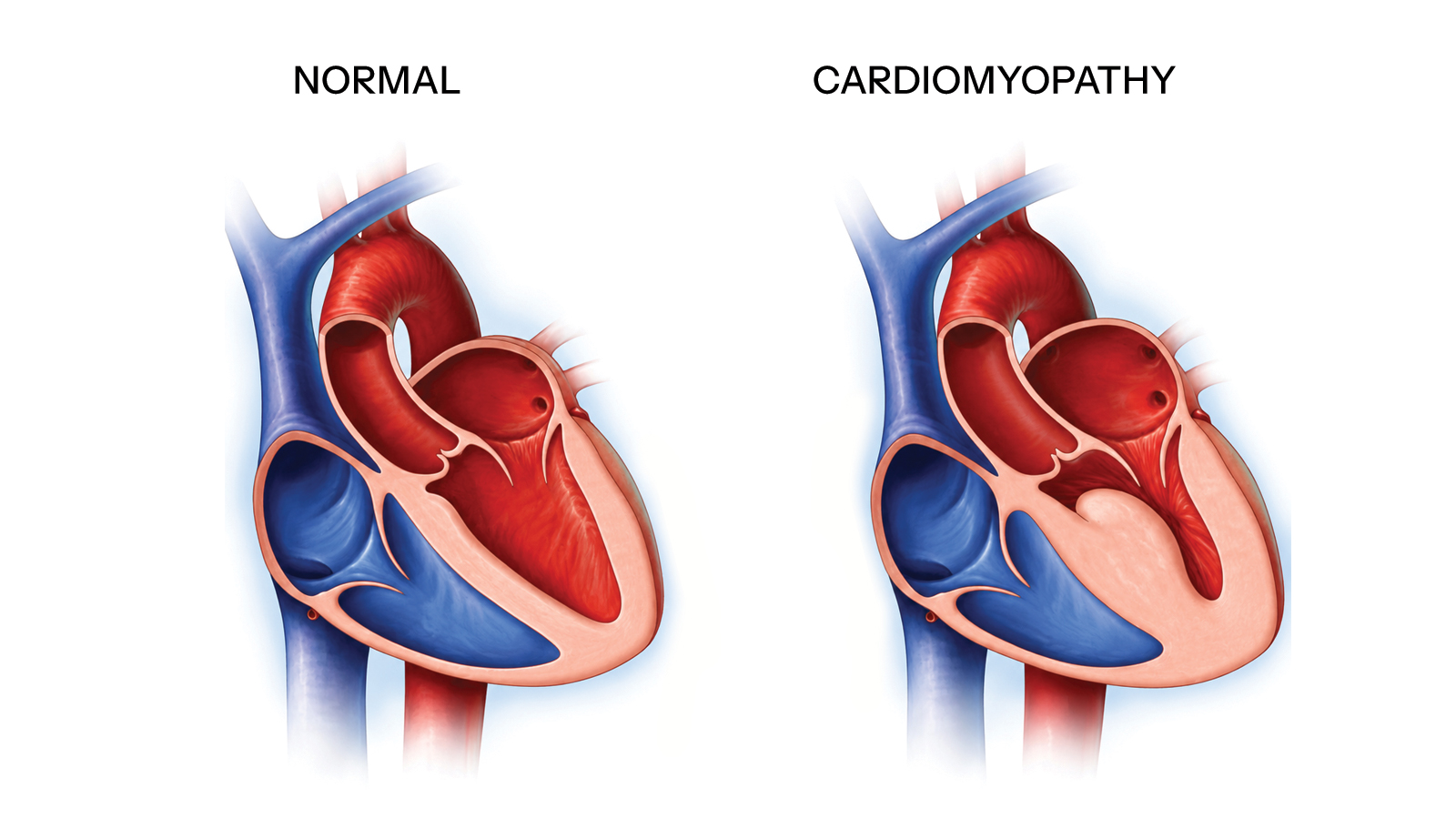
Cardiomyopathy

What is Cardiomyopathy?

Cardiomyopathy is a general term for diseases of the myocardium that can weaken your heart over time and cause heart failure. Most types of cardiomyopathy are inherited; some are also caused by other conditions or risk factors. It can affect people of all ages.

Common Symptoms of Cardiomyopathy

Some people with cardiomyopathy don’t experience any symptoms. For others, symptoms appear as the condition worsens. Common symptoms include:

Causes of Cardiomyopathy

The most common cause of heart muscle disease is genes you get from your parents. Other causes may include:

  • Autoimmune diseases
  • Metabolic conditions, like diabetes and thyroid disorders
  • Infections and inflammations that affect the heart muscle
  • Uncontrolled high blood pressure
  • High cholesterol
  • Coronary artery disease
  • Heart valve disease
  • Muscular dystrophy
  • Amyloidosis
  • Sarcoidosis
  • Hemochromatosis

What Are Different Types of Cardiomyopathy?

  • Dilated Cardiomyopathy

    Dilated cardiomyopathy is the most common form of cardiomyopathy. In this condition, the walls of the heart become stretched and thin, reducing the heart’s ability to contract properly and pump blood efficiently. Dilated cardiomyopathy may be inherited or caused by other conditions, including certain heart diseases and infections. If left untreated, it can lead to heart failure.
  • Hypertrophic Cardiomyopathy

    Hypertrophic cardiomyopathy can cause the heart muscle cells to enlarge, and the walls of the chambers to thicken. This can reduce the size of the heart chambers and make it harder for the heart to fill properly with blood. The thickened heart muscle may become stiff and obstruct blood flow out of the heart. Hypertrophic cardiomyopathy can affect people of all ages and is an important cause of sudden cardiac death in young athletes.
  • Restrictive Cardiomyopathy

    Restrictive cardiomyopathy is a rare form of cardiomyopathy in which the heart muscle becomes stiff and cannot relax properly between contractions. This makes it harder for the heart chambers to fill with blood. As a result, pressure builds up in the heart and surrounding blood vessels, causing breathlessness, unusual tiredness, swelling in the ankles and legs, abnormal heart rhythms, or sometimes heart failure.

Risk Factors

Certain risk factors can increase the chances of having cardiomyopathy. These include:

  • Obesity
  • Nutritional deficiencies
  • Medical history of heart attack
  • Family history of cardiomyopathy, heart failure, and sudden cardiac arrest
  • Muscular dystrophy
  • A body mass index (BMI) higher than 30
  • High level of emotional stress or trauma
  • Excessive use of alcohol or cocaine
  • Chemotherapy
  • Pregnancy

Complications

Depending on the type and severity, cardiomyopathy can increase the risk of serious complications, such as:

  • Blood clotting
  • Arrhythmia
  • Cardiac arrest
  • Stroke
  • Heart failure
  • Heart valve disorders
  • Cardiogenic shock

How is Cardiomyopathy Diagnosed?

To diagnose cardiomyopathy, Dr Lo Monaco performs a detailed physical examination, takes your medical and family history, and evaluates specific symptoms. If he suspects heart muscle disease, he may recommend cardiac diagnostics, including Event monitors, ECG, Echocardiography, heart MRI, exercise tolerance test, chest X-ray, or blood tests. For more detailed insights, doctors may also perform a myocardial biopsy or cardiac catheterisation to determine the underlying cause of cardiomyopathy. 

How to Manage and Treat Cardiomyopathy?

There is no medical cure for cardiomyopathy, but lifestyle changes and proper treatment can help slow down the progression and minimise symptoms. Early diagnosis helps reduce the risk of complications.

Lifestyle Adjustments

  • Eat a well-balanced diet
  • Maintain a healthy weight
  • Take proper sleep
  • Minimise stress
  • Do regular exercise
  • Avoid alcohol and smoking
  • Avoid recreational drugs
  • Manage underlying conditions, such as diabetes

Medical Devices

  • The pacemaker to regulate the heart rate
  • An implantable Cardiovascular Defibrillator (ICD) to prevent life-threatening abnormal heart rhythms.
  • Cardiac Resynchronisation Therapy (CRT) and Left Ventricular Assist Device (LVAD) to help the heart pump blood more efficiently.

Medication

  • Anticoagulants
  • Beta-blockers
  • Antiarrhythmics
  • Corticosteroids
  • Medicine to control hypertension and high cholesterol

Surgery

  • Septal myectomy
  • Alcohol septal ablation
  • Catheter ablation
  • Heart transplant

When to Seek Emergency Care

If you have cardiomyopathy, it’s important to seek emergency care if you have:

  • Chest pain
  • Fainting
  • Palpitations and irregular heart rhythm

BOOK A CARDIOLOGY APPOINTMENT ONLINE

If you’ve recently had a specialist heart checkup and feel unsure about the diagnosis or treatment plan, getting a second opinion can provide the clarity you need. Schedule a consultation with Dr. Lo Monaco, an expert private cardiologist in London, or book your heart test/scan today for fast, specialist cardiac care.

Cardiologist Dr Francesco Lo Monaco in a face-to-face consultation with a patient during a private heart assessment

FAQs

There is no cure for cardiomyopathy; however, you can manage its symptoms or slow down the progression with lifestyle changes, medicine, or other treatment options.

Cardiomyopathy affects around 1 in 250 people in the UK. It can affect people of all ages, although some types are more common than others. 

Cardiomyopathy is a serious condition. Without proper management or treatment, it can lead to sudden cardiac arrest and heart failure that may be life-threatening. Timely treatment can help you live a longer life.

How long you can live with cardiomyopathy depends on the type and severity of the condition, your overall health, and how you respond to treatment. Some people live a normal, healthy life with cardiomyopathy with proper management of the symptoms, while others may experience complications that affect their lifespan.

The reversal of cardiomyopathy depends on the type and severity of the condition. Some forms can be reversed through simple lifestyle changes, while others may remain untreated for life.

Yes, chronic stress can cause a specific type of heart muscle weakness known as stress cardiomyopathy, or broken heart syndrome.