
MITRAL VALVE DISEASE
Mitral valve disease disrupts the heart’s normal blood flow and can lead to symptoms such as breathlessness, fatigue, palpitations, or chest discomfort. It occurs when the mitral valve does not open or close properly, affecting how blood flows through the heart. Sometimes, it may cause blood to leak backwards or restrict forward flow. Early diagnosis is essential to prevent complications and protect long-term heart health.
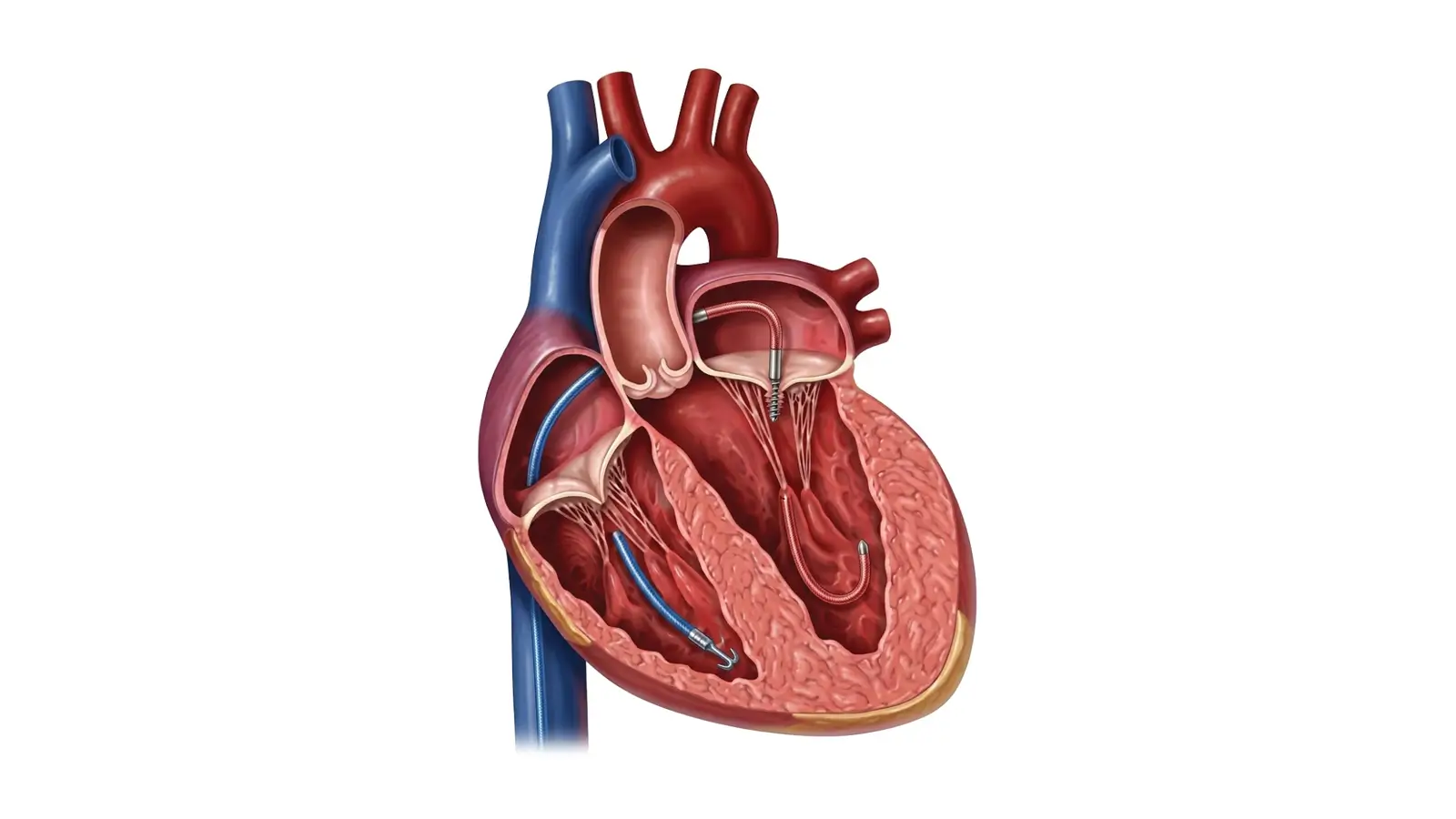
WHAT IS THE MITRAL VALVE?
The mitral valve is one of the four heart valves, located between the left atrium and the left ventricle. Its role is to ensure smooth, one-way blood flow from the left atrium into the left ventricle while preventing any backward leakage. The valve comprises two thin flaps of tissue, known as leaflets, which open to pass blood through them and close to stop any backflow, thus helping maintain proper blood circulation.
FORMS OF MITRAL VALVE DISEASE
SYMPTOMS OF MITRAL VALVE DISEASE
Symptoms of Mitral Valve Regurgitation
Mitral regurgitation often develops silently without any obvious symptoms for years. Commonly, they may show symptoms such as:
Symptoms of Mitral Valve Stenosis
Mitral stenosis often develops gradually but can significantly impact daily life. Common symptoms include:
WHAT CAUSES MITRAL VALVE DISEASE?
Common Causes of Mitral Regurgitation
Common Causes of Mitral Stenosis
DIAGNOSIS OF MITRAL VALVE PROBLEMS
Accurate and timely diagnosis is essential to determine the type and severity of valvular heart disease and guide the most appropriate treatment. A detailed consultation with Dr Francesco Lo Monaco in Harley Street, London, provides a thorough evaluation of your symptoms, medical history, and overall cardiovascular risk.
Your assessment begins with a comprehensive clinical review, including discussion of symptoms such as breathlessness, palpitations, or fatigue, along with a physical examination and relevant family history. It gives a clear understanding of whether a mitral valve condition may be present and what level of investigation is required.
As a preventive cardiologist, Dr Francesco Lo Monaco focuses on early detection and long-term heart health, combining lifestyle guidance with targeted diagnostics to ensure the most effective management plan. Where needed, further investigations may include:
Following your assessment, you will receive a clear explanation of your diagnosis along with a personalised plan, whether that involves monitoring, lifestyle changes, or further specialist care.
LIFESTYLE CHANGES TO TREAT MHD
Making the right lifestyle adjustments can help manage symptoms, support heart function, and improve long-term cardiovascular health. Dr Francesco Lo Monaco may recommend the following lifestyle changes to help manage Mitral Valve Disease:
WHEN SHOULD YOU SEEK SPECIALIST CARE?
You should consider consulting your cardiologist if you experience:
BOOK A CARDIOLOGY APPOINTMENT ONLINE
If you’ve recently had a specialist heart checkup and feel unsure about the diagnosis or treatment plan, getting a second opinion can provide the clarity you need. Schedule a consultation with Dr. Lo Monaco, an expert private cardiologist in London, or book your heart test/scan today for fast, specialist cardiac care.