
Breathlessness: Symptoms, Causes and Treatment
Breathlessness, also known as shortness of breath or dyspnoea, is the feeling of having difficulty breathing or not getting enough air into your lungs. It can occur during physical exertion, but breathlessness that develops suddenly or without an obvious reason may indicate an underlying health condition. Mild breathlessness is not always a cause for concern, but severe, frequent, or sudden symptoms may require urgent medical attention.
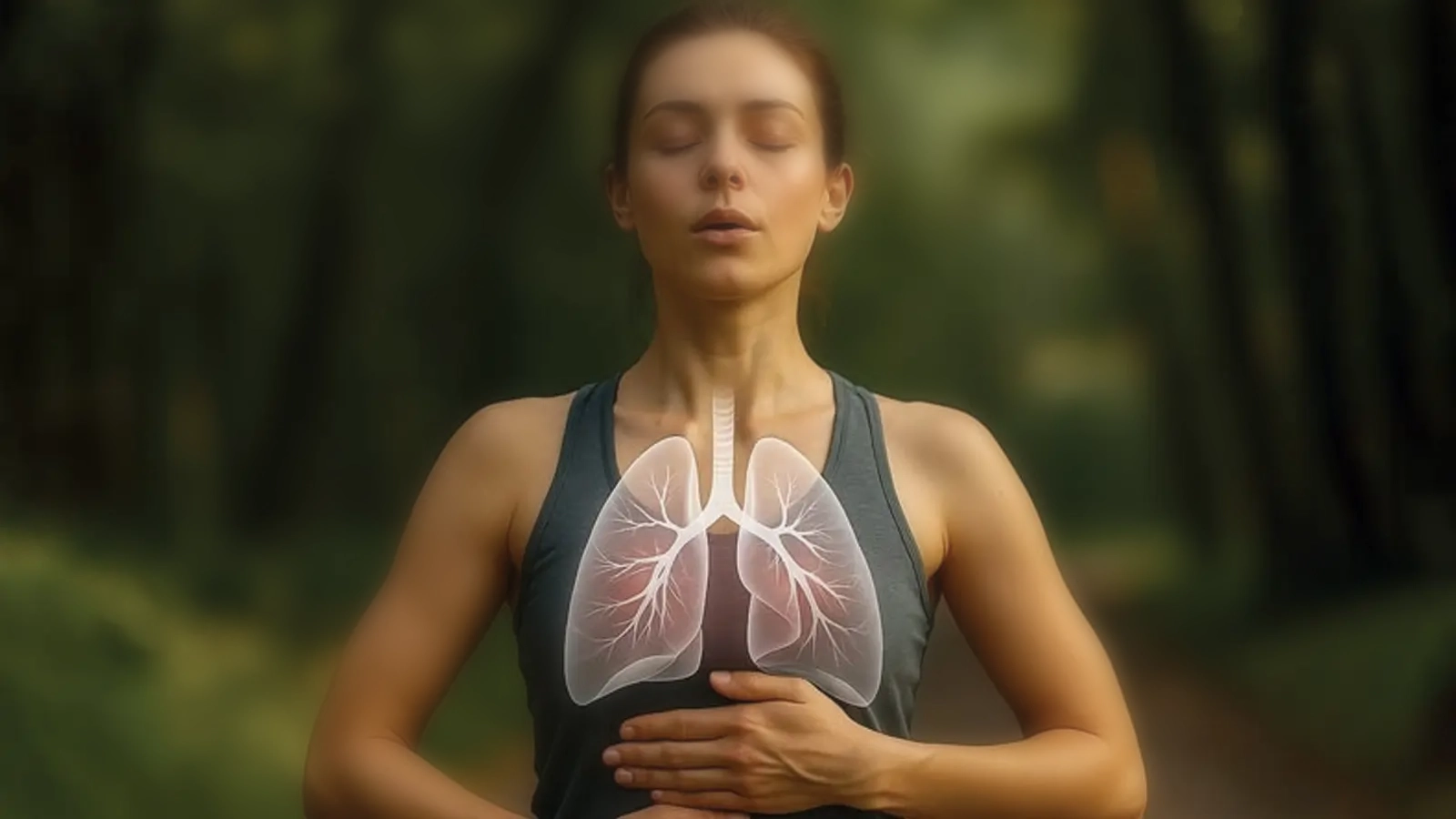
What is Breathlessness (Dyspnoea)?
Dyspnoea is the medical term for breathlessness that makes you feel short of breath, like if you are not getting enough air into your lungs, and your body needs to work harder than usual to breathe. Shortness of breath during exercise or strenuous physical activity is very common and nothing to worry about. However, severe breathlessness, especially without an obvious reason, should be assessed by a healthcare professional.
What Causes Shortness of Breath?
Breathlessness can have many causes and may relate to the heart, lungs, nervous system, muscles, or other underlying health conditions. A detailed medical assessment helps identify the cause of your symptoms and guide appropriate treatment. Common causes may include:
Symptoms of Breathlessness in Adults
Breathlessness can feel different from person to person. Adults may experience:
Signs of Breathlessness in Children
Breathing difficulties in children may not always be easy to recognise. Parents and carers can notice signs such as:
Types of Breathlessness (Dyspnoea)
Breathlessness can be classified as acute or chronic, depending on how quickly it develops and how long it lasts.
Risk Factors for Breathlessness
Certain health conditions and lifestyle factors can increase the risk of dyspnoea. These include:
How Does Dr Lo Monaco Diagnose Breathlessness (Dyspnoea)?
Dr Lo Monaco diagnoses dyspnoea through a detailed physical examination and a review of your symptoms and medical history to determine whether it may be related to the heart, lungs, or another underlying condition. Depending on the initial assessment, he may also recommend further investigations to identify the cause of your breathlessness. These may include:
How to Treat Shortness of Breath?
Treatment for shortness of breath depends on its underlying cause and severity. Mild breathlessness improves with simple lifestyle changes, such as maintaining a healthy weight, staying physically active, and practising relaxation techniques. For severe or more frequent symptoms, Dr Lo Monaco may recommend medication alongside lifestyle changes to relieve symptoms and improve overall heart and lung health.
When to Seek Emergency Care?
Call 999 or go to A&E immediately if you have severe difficulty breathing, chest tightness, pain that spreads to your arms, back, neck, or jaw, or your skin turning pale, bluish, or grey.
BOOK A CARDIOLOGY APPOINTMENT ONLINE
If you’ve recently had a specialist heart checkup and feel unsure about the diagnosis or treatment plan, getting a second opinion can provide the clarity you need. Schedule a consultation with Dr. Lo Monaco, an expert private cardiologist in London, or book your heart test/scan today for fast, specialist cardiac care.