
PRIVATE ANGINA TREATMENT IN LONDON
Chest pain or pressure may be a sign of Angina that should never be ignored. Symptoms such as congestion, breathlessness, or sharp chest discomfort require urgent medical assessment. Dr Francesco Lo Monaco provides expert cardiology consultations in Harley Street with advanced diagnostic testing to identify the cause and provide quick treatment.
WHAT IS ANGINA?
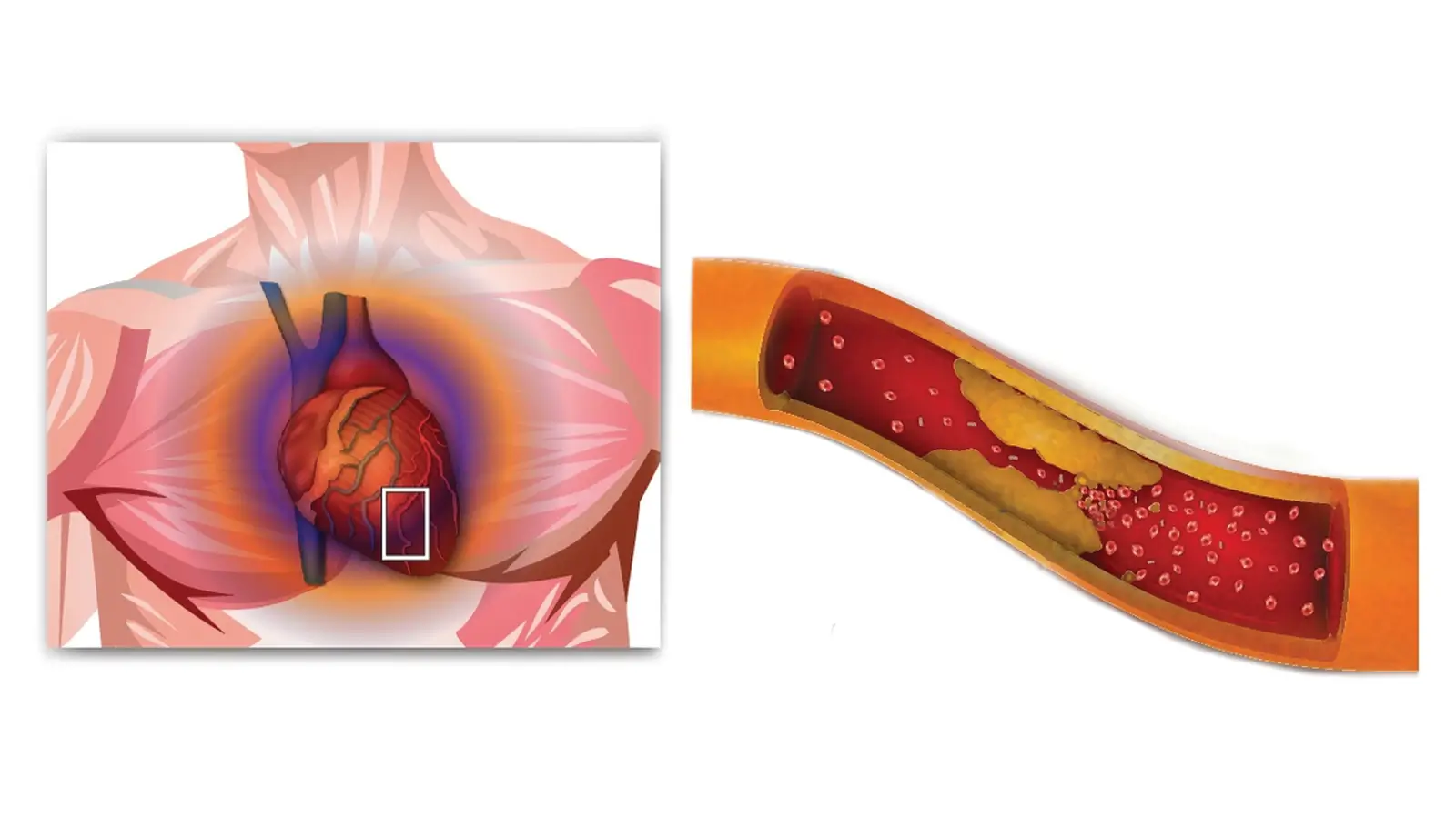
Angina is a heavy chest pain that typically occurs when the heart muscle does not receive enough oxygen-rich blood due to the narrowing of the arteries. While this reduced blood supply may not cause noticeable symptoms at rest, physical activity or exertion can increase the heart’s oxygen demand. When the narrowed arteries can’t meet this demand, it can result in chest pain or pressure known as angina.
WHAT ARE THE SYMPTOMS OF ANGINA?
Symptoms of angina most commonly occur during physical exertion, such as climbing stairs, exercising, hiking, or performing activities that place extra strain on the heart. These symptoms occur when the heart muscle requires more oxygen than the narrowed arteries can supply. Common symptoms include:
If you’re experiencing one or more of these symptoms, it’s important to see a doctor and get a diagnosis as soon as possible. You can book a same-day or next-day private cardiology appointment with Dr Lo Monaco in London for expert diagnosis and treatment.
WHAT ARE THE CAUSES?
The most common cause of Angina is Coronary Heart Disease, a condition in which the vessels supplying blood to the heart become narrowed due to the buildup of fatty deposits (atherosclerosis). This narrowing restricts blood flow and reduces the oxygen supply to the heart muscle. When the heart works harder, particularly during physical activity, reduced blood flow can strain the heart muscle and trigger chest pain known as angina. If left untreated, severely reduced blood flow can lead to a heart attack (myocardial infarction). Angina can also occur in different forms depending on the underlying cause:
WHAT ASSESSMENTS ARE NEEDED?
While angina can often be suspected from symptoms, diagnostic tests are essential. Dr Francesco Lo Monaco may recommend an ECG, stress test, a CT Scan, or a cardiac MRI. In some cases, an invasive angiogram may be needed, and this decision is based on your test results. Moreover, Dr. Lo Monaco may also request certain blood tests, such as a complete lipid panel, diabetes screening, and C-reactive protein, for a more comprehensive diagnosis.
WHEN TO SEEK MEDICAL ATTENTION?
You must call 999 for emergency healthcare or seek urgent medical attention with your cardiologist if you feel the following signs:
URGENT STEPS TO TAKE
WHAT ARE THE TREATMENTS FOR ANGINA?
Treatment for Angina focuses on relieving symptoms and reducing the risk of heart complications. The approach depends on the type and severity of angina. This may include medications to manage risk factors such as high cholesterol and, where appropriate, interventions or procedures to improve blood flow in narrowed arteries.
Management may include lifestyle adjustments, symptom-relieving therapies, and medications prescribed by your cardiologist. Dr Francesco Lo Monaco provides expert assessment and personalised guidance, reviewing your symptoms and risk factors to recommend the most suitable treatment plan.
LIFESTYLE CHANGES TO MANAGE ANGINA
With the right management and guidance from your cardiologist, most people with angina can continue their daily activities safely. Staying active is important, but exercise should be gradual, with regular breaks to avoid overexertion. Always carry your prescribed medication when outside. Maintaining a healthy lifestyle, such as a balanced diet, stress management, and regular check-ups, supports heart health and helps reduce symptoms.
FAQs
BOOK A CARDIOLOGY APPOINTMENT ONLINE
If you’ve recently had a specialist heart checkup and feel unsure about the diagnosis or treatment plan, getting a second opinion can provide the clarity you need. Schedule a consultation with Dr. Lo Monaco, an expert private cardiologist in London, or book your heart test/scan today for fast, specialist cardiac care.