
CARDIAC ARRHYTHMIA (ABNORMAL HEART RHYTHM)
Cardiac arrhythmias affect over one million people in the UK, often going undetected until complications arise. Dr Francesco Lo Monaco, expert cardiologist and electrophysiologist, provides comprehensive assessment and personalised guidance to treat irregular heart rhythm and protect long-term heart health.
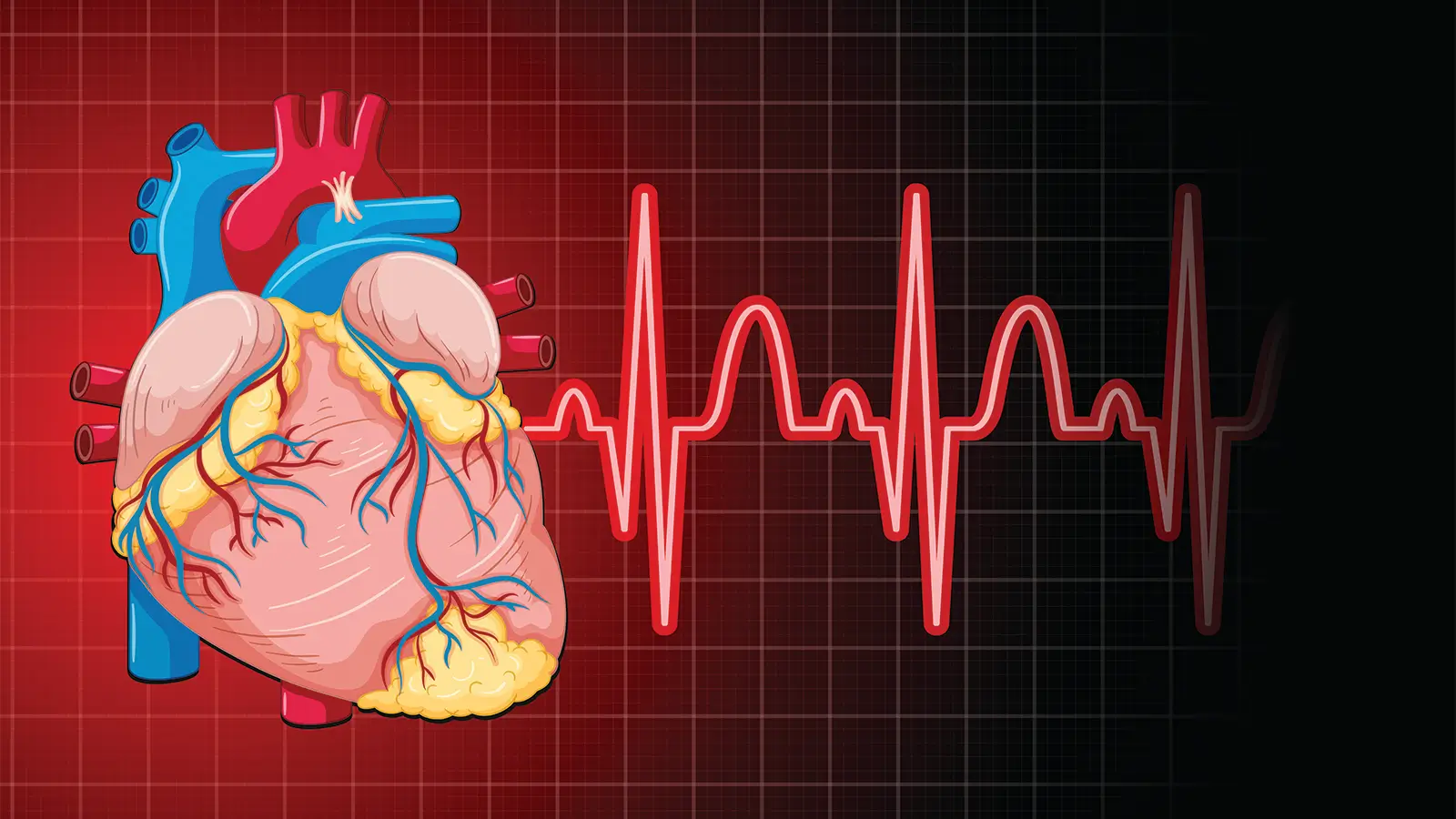
WHAT IS HEART ARRHYTHMIA?
Arrhythmia is an irregular heart rhythm that can cause the heart to beat too fast, too slow, or irregularly. It may feel like missing, fluttering, or pounding heartbeats. Depending on the type and severity, arrhythmias can be harmless and manageable or, in some cases, indicate a more serious underlying heart condition requiring medical attention.
CARDIAC ARRHYTHMIA SYMPTOMS
Arrhythmias can cause a wide range of symptoms, from mild to severe, and the intensity of symptoms does not always reflect the seriousness of the condition. In some cases, a serious heart rhythm disorder may cause little or no noticeable symptoms, while milder arrhythmias can feel more disruptive.
Symptoms often vary depending on your overall health, age, and any underlying heart conditions. Common signs include:
TYPES OF ARRHYTHMIA
Heart rhythm disorders are not always serious and can sometimes resolve on their own. However, certain types of arrhythmias can be more concerning and may require medical attention. Based on pulse rate, cardiac arrhythmias are generally classified into two main types.
CAUSES AND RISK FACTORS OF ARRHYTHMIAS
Arrhythmias occur when the heart’s electrical conduction system is disrupted. The heart has a natural pacemaker, known as the sinus node, which generates electrical signals that travel through the atrioventricular node and across the heart to maintain a steady rhythm.
Common causes or triggers include:
GET AN EXPERT DIAGNOSIS AT HARLEY STREET CLINIC
An irregular heart rhythm can often be confused with other health issues. Therefore, getting an accurate diagnosis is important to manage the condition effectively. If you experience frequent or severe symptoms, consulting a specialist can help identify the underlying cause and guide appropriate treatment.
Dr Francesco Lo Monaco, a preventive cardiologist and electrophysiologist, performs a thorough assessment of your symptoms, medical history, and lifestyle factors. Where necessary, further investigations such as an ECG, Holter monitor, Echo scan, ETT, or Implantable Loop Recorder may be recommended to gain detailed insights into your heart rhythm.
TREATMENT & MANAGEMENT OF HEART ARRHYTHMIA
The treatment of arrhythmia largely depends on the underlying triggers, as well as the severity and frequency of symptoms. Dr Francesco Lo Monaco, a preventive cardiologist and heart rhythm specialist, often focuses on lifestyle modifications as the first step. These include adopting a heart-healthy diet, engaging in regular physical activity, and effectively managing stress. In some cases, specific medical treatments or procedures may be recommended based on your individual condition and diagnosis.
FAQs
BOOK A CARDIOLOGY APPOINTMENT ONLINE
If you’ve recently had a specialist heart checkup and feel unsure about the diagnosis or treatment plan, getting a second opinion can provide the clarity you need. Schedule a consultation with Dr. Lo Monaco, an expert private cardiologist in London, or book your heart test/scan today for fast, specialist cardiac care.