
ATRIAL FIBRILLATION (AF) TREATMENT, SYMPTOMS, AND CAUSES
Atrial Fibrillation is a common heart rhythm disorder that causes your heart rate to become irregular and usually faster than normal. This abnormal rhythm can lead to dizziness, shortness of breath, and a noticeable fluttering in your chest. If left untreated, AFib can increase the risk of stroke, so diagnosing and treating it promptly and effectively is essential.
WHAT IS ATRIAL FIBRILLATION (AF OR AFIB)?
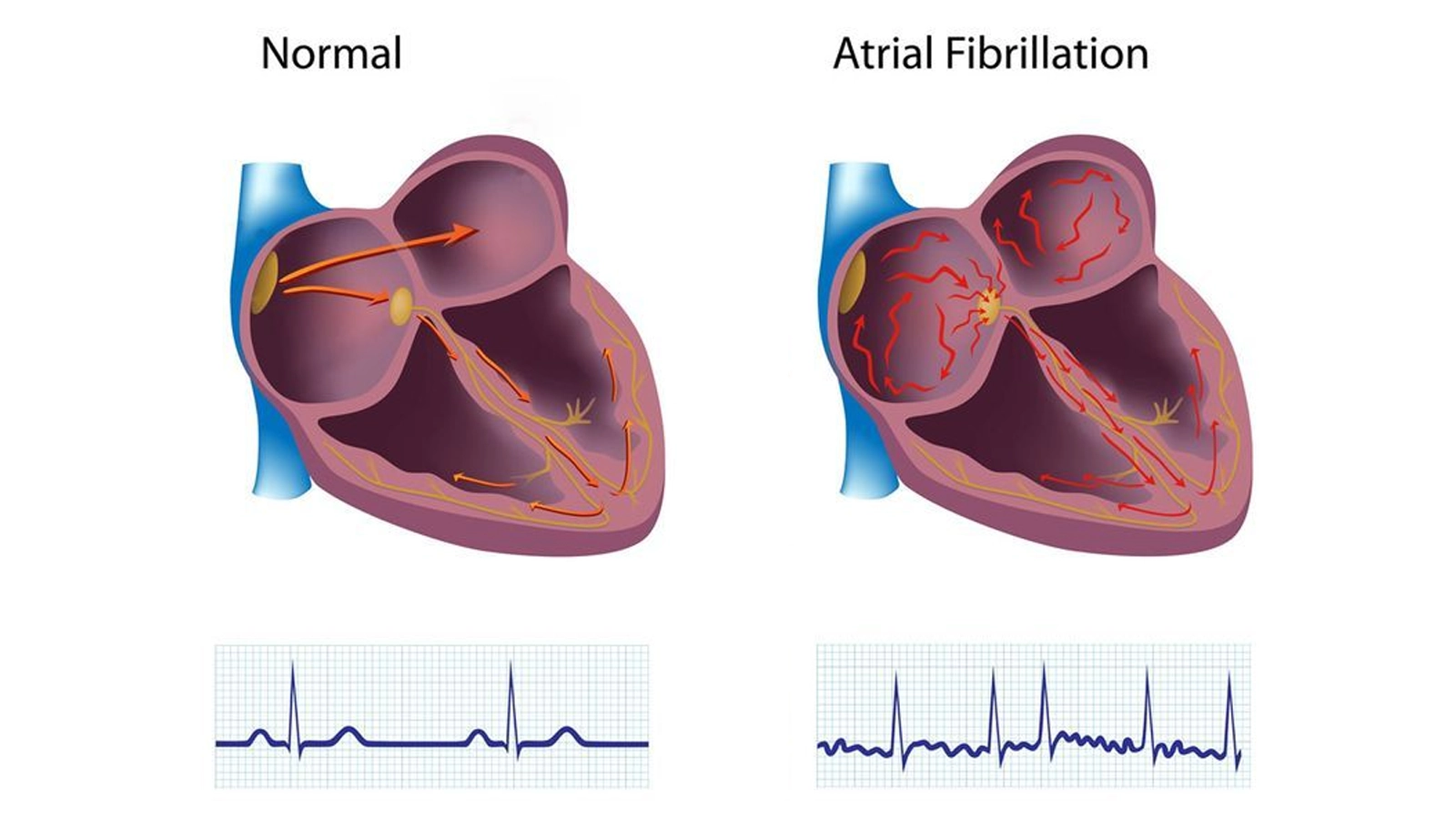
Atrial Fibrillation is an abnormal heart rhythm characterized by an irregular, rapid pulse, typically above 100 beats per minute. In a healthy heart, steady electrical impulses control the heartbeat and pump blood smoothly to the lungs and the rest of the body. In Atrial Fibrillation, these signals disrupt normal electrical activity, causing the atria (upper heart chambers) to quiver and disturb normal blood flow.
ATRIAL FIBRILLATION SYMPTOMS
Afib is generally a silent heart condition that isn’t diagnosed properly until symptoms appear. However, the following signs are commonly observed in Atrial Fibrillation:
WHAT CAUSES ATRIAL FIBRILLATION?
In a healthy heart, the atria (upper chambers) and ventricles (lower chambers) contract in a coordinated way to pump blood to the rest of the body. When these chambers relax, the heart refills with blood for the next beat.
In atrial fibrillation, abnormal electrical signals disrupt this normal rhythm. The atria begin to beat rapidly and irregularly, making it harder for the heart to relax and fill properly. This chaotic activity disrupts the heart’s natural pacemaker, leading to an irregular heartbeat.
TYPES AND PATTERNS OF ATRIAL FIBRILLATION
HEART TESTS TO DIAGNOSE AF
Dr Francesco Lo Monaco provides advanced diagnostic testing and specialist care for arrhythmias and palpitations. To accurately diagnose atrial fibrillation and guide the right treatment, he may recommend tests such as:
ATRIAL FIBRILLATION RISK FACTORS
There are several triggers or risk factors for AFib. These include:
WHAT ARE THE COMPLICATIONS?
Untreated and long-term Atrial Fibrillation can lead to serious complications. The irregular heart rhythm can cause blood to collect in the atria, increasing the risk of clot formation. If a clot from the left atrium reaches the brain, it can also cause a stroke. The risk is higher in older adults or those with diabetes, high blood pressure, or valvular heart disease.
HOW DOES DR LO MONACO MANAGE AND TREAT AFIB?
Dr Francesco Lo Monaco takes a holistic, prevention-focused approach to atrial fibrillation. He prioritises lifestyle modifications and prescribes medication when necessary.
Lifestyle Changes
Lifestyle adjustment is the foundation of his AF management. Dr Monaco supports patients in quitting smoking, maintaining a healthy weight, taking a diet low in saturated fats, and engaging in an active lifestyle to reduce AF episodes.
Medicine
Alongside lifestyle optimisation, he manages chronic conditions and may suggest blood thinners and anti-arrhythmic medication if and when necessary.
Stroke Prevention
Dr Lo Monaco pays close attention to reducing the stroke risk, as people with Atrial fibrillation are significantly more likely to develop a stroke than those without AF.
BOOK EXPERT ATRIAL FIBRILLATION TREATMENT IN LONDON
Dr Francesco Lo Monaco specialises in the diagnosis and treatment of atrial fibrillation, offering expert care for patients experiencing arrhythmias, palpitations, or unexplained heart symptoms.
Schedule your consultation with Dr. Monaco to manage your cardiac rhythm and reduce long-term risks.
FAQs
BOOK A CARDIOLOGY APPOINTMENT ONLINE
If you’ve recently had a specialist heart checkup and feel unsure about the diagnosis or treatment plan, getting a second opinion can provide the clarity you need. Schedule a consultation with Dr. Lo Monaco, an expert private cardiologist in London, or book your heart test/scan today for fast, specialist cardiac care.