Can You Die From POTS Syndrome? Is It Life-Threatening?
Do you experience a sudden spike in your heart rate or noticeable palpitations when moving from sitting to standing? This could be a sign of Postural Orthostatic Tachycardia Syndrome (POTS). POTS is a disorder of the autonomic nervous system in which the body responds abnormally to an upright posture. When changing position, patients may experience multiple symptoms linked to a rapid heart rate.
Although the condition can significantly affect quality of life, it is sometimes misunderstood and mistakenly attributed to anxiety or other psychiatric disorders. In this blog, we explore the common symptoms, potential risks, and complications of POTS, along with guidance on managing it.
Is POTS Life-Threatening? Can You Die From POTS?
When someone is living with a chronic condition such as Postural Orthostatic Tachycardia Syndrome (POTS), it is natural to have concerns and questions. Many people wonder, “Can POTS be fatal?” or “Does it affect life expectancy?”
The short answer is that POTS is not considered life-threatening. However, it can be distressing, debilitating, and significantly impact the quality of life. While its symptoms can be serious and disruptive, it is not a fatal condition, and death from POTS itself is very rare.
That is why early detection, proper evaluation, and timely management are essential for overall well-being.
Symptoms of POTS Syndrome
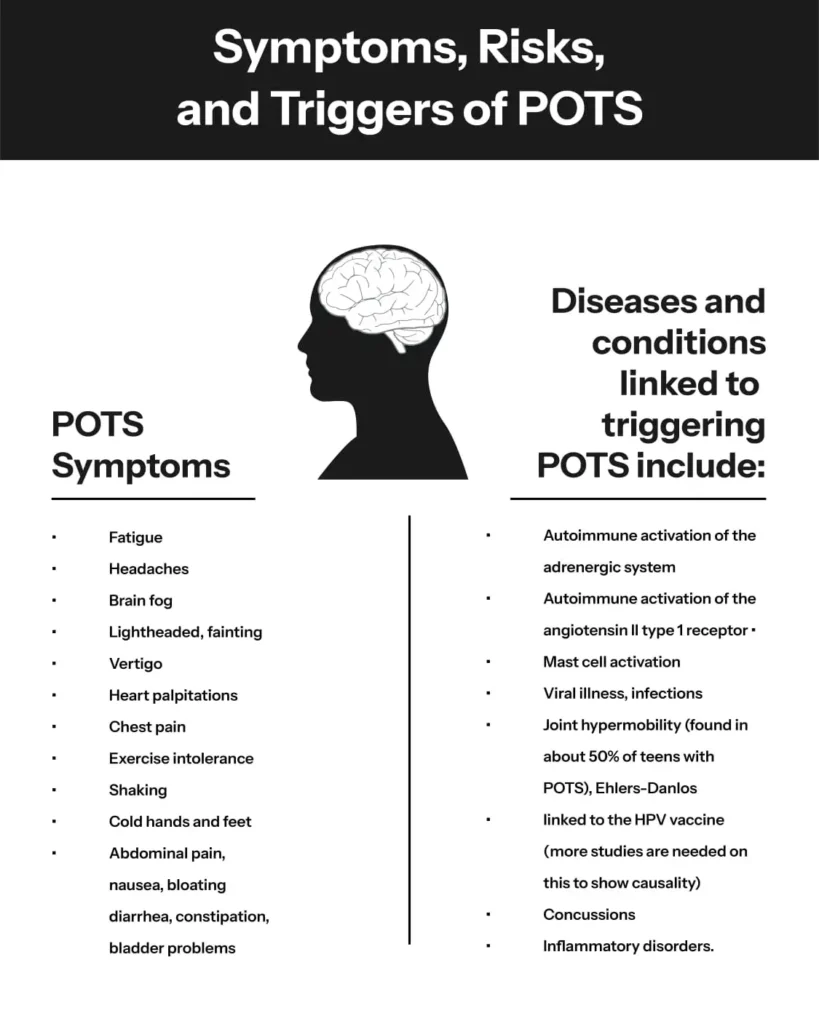
The symptoms of POTS may vary from person to person depending on the severity, age, lifestyle, and other factors. Some of the most common symptoms associated with POTS syndrome are mentioned here:
- Rapid Heart Rate Associated With Posture Change
- Low Blood Pressure
- Palpitations
- Shortness of Breath
- Dizziness, Fainting, or Blackouts
- Fatigue and Poor Exercise Tolerance
- Headaches
- Tremulousness
- Sleep Abnormalities
Complications Associated With POTS
Although POTS is not typically life-threatening, complications can develop, particularly if the condition remains undiagnosed or poorly managed for an extended period. Some of the potential risks associated with POTS include:
Mental Health Issues
Living with persistent symptoms of POTS, such as dizziness, palpitations, fatigue, and brain fog, can significantly affect emotional well-being. Over time, this may contribute to anxiety, depression, or psychological distress. In many cases, the unpredictable nature of symptoms can further worsen mental health.
Autoimmune Diseases
Long-term, unmanaged, or undetected POTS syndromes may lead to autoimmune diseases. The combined symptoms of both conditions can overburden the body and lead to complications in the long run.
Loss of Consciousness (Syncope)
Fainting is one of the more concerning complications of POTS. Sudden drops in blood pressure or rapid changes in heart rate can cause dizziness or blackouts, which may increase the risk of injury, particularly while driving or standing for prolonged periods.
Risk Factors
Some factors can trigger the risk of POTS, such as:
- Major Surgery
- Diabetes
- Cardiovascular Dysfunctioning
- Autoimmune Conditions
- Stress, Anxiety, or Fear
- Nutritional Deficiencies
- Family History
Lifestyle Changes to Prevent Potential Risks of POTS
There is no permanent cure or treatment protocol for POTS, but certain lifestyle changes can have a positive impact on quality of life. Managing POTS focuses largely on symptom control, self-care, and sustainable lifestyle adjustments.
With the right strategies, many people can significantly improve their daily functioning and overall quality of life. Below are practical steps that may help reduce the risks and complications associated with POTS:
Increase Physical Activity
POTS can lower exercise tolerance and cause fatigue or weakness. However, structured and gradual physical activity can improve circulation, stabilise blood pressure, and enhance cardiovascular fitness. Low-impact exercises such as walking, recumbent cycling, swimming, or yoga are often recommended to build tolerance safely.
Understand and Avoid Triggers
Certain factors, including prolonged standing, dehydration, heat exposure, stress, and lack of sleep, can worsen POTS symptoms. Recognising personal triggers and making adjustments to avoid them can help reduce flare-ups.
Wear Compression Stockings
Medical-grade compression stockings can improve blood circulation by reducing blood pooling in the legs. It may help minimise *POTS symptoms effectively.
Stay Hydrated
Increase fluid intake in the form of plain water, fresh juices, and broths to increase blood volume and maintain electrolyte balance. It helps manage heart rate and reduce the severity.
Manage Stress
While stress does not cause POTS, it can aggravate symptoms. Practising relaxation techniques, mindfulness, breathing exercises, or seeking professional psychological support can help manage anxiety and emotional strain associated with the condition.
Consult a Cardiologist
If symptoms persist or worsen, specialist evaluation is essential, as many of the symptoms of POTS overlap with other heart conditions, such as arrhythmias. A cardiologist can accurately diagnose, rule out underlying cardiovascular conditions, and create a personalised management plan.
Dr Francesco Lo Monaco, specialised in preventive cardiology, provides comprehensive assessment and tailored treatment strategies to help patients manage POTS effectively and reduce long-term risks. Book a consultation with Dr. Lo Monaco in London to get a professional heart assessment.
Bottom Line
If you’re experiencing symptoms or concerns about POTS, book a consultation with Dr Francesco Lo Monaco to discuss your condition and personalised management options. He offers both in-person and video consultations for patient convenience. An accurate diagnosis and professional lifestyle guidance can help you manage symptoms effectively and regain control of your quality of life. Don’t wait – early assessment can make a meaningful difference.