Why Skipping Early Heart Screening Can Be Life-Threatening?
Cardiovascular diseases (CVD) are the leading cause of death in the United Kingdom. According to NHS England, nearly seven million people in the UK are living with CVD, accounting for one in four premature deaths nationwide.
Such a staggering statistic, no doubt, highlights the health issues caused by heart-related disorders. However, despite this growing risk, it’s more concerning that many people don’t pay attention to their cardiac screening until serious complications develop.
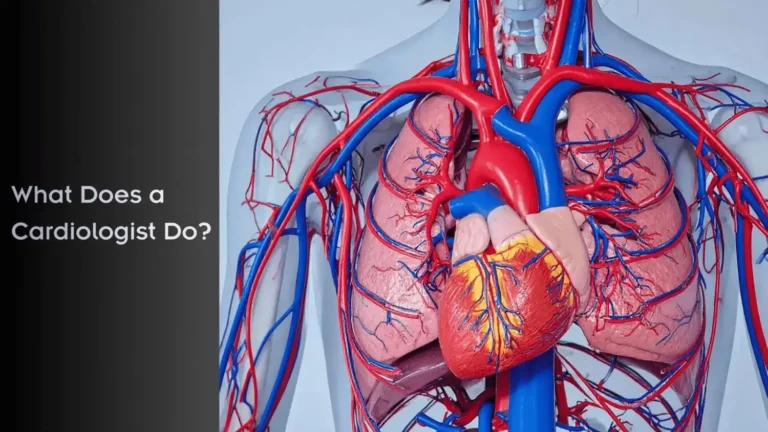
Early heart screening is one of the best preventive care measures that plays a pivotal role in identifying hidden cardiac risks before symptoms appear and helping your doctor decide the right treatment plan.
Why is Early Heart Screening so Important? 5 Reasons You Must be Proactive
Rising rates of heart diseases are a growing concern, but even more worrying is how often early warning signs are ignored. Many people ignore mild symptoms or delay medical attention until serious complications develop.
Due to limited awareness, a large number of heart conditions progress unnoticed, despite being preventable with timely care. Early detection helps identify potential cardiac risks before they become life-threatening and prevent complications, such as heart failure, chronic kidney disease, and stroke.
Below are the 5 key reasons why early heart screening plays a vital role in achieving long-term heart health.
Early Identification of Hidden Risks
Certain heart conditions, such as high blood pressure, irregular heart rhythm, and coronary artery disease, often develop silently and remain unnoticeable until the severity develops. Early heart screening through regular check-ups, blood tests, or diagnostic scans helps identify these hidden risks sooner and reduces the likelihood of a cardiac event.
Ongoing Cardiac Health Monitoring
Regular heart screening allows continuous tracking of your heart health over time. Monitoring key indicators, such as blood pressure, cholesterol levels, and heart rhythm, helps you detect any issues early and ensures better cardiac care.
Personalised Heart Health Assessment
A comprehensive heart health assessment, including cholesterol level screening, ECG, and BP monitoring, provides a clear picture of your cardiovascular fitness. Early heart screening helps identify moderate to high-risk factors and devises a tailored approach for prevention, monitoring, and long-term heart care.
Reduced Risk of Cardiac Events
The primary goal of early heart screening is to reduce the risk of serious cardiac events. By identifying warning signs and unexplained health changes through detailed cardiac assessments, potential complications can be addressed early. Dr Francesco Lo Monaco, a preventive cardiologist, focuses on early risk identification and heart disease prevention through personalised cardiac assessments.
Proactive Prevention and Lifestyle Guidance
Early screening of heart health helps optimise your cardiovascular health through preventive measures. Results of heart assessments can guide personalised lifestyle changes, including diet, exercise, and stress management, as well as medical interventions if needed.
How is Cardiac Screening Done?
During your cardiac screening, the cardiologist reviews your medical history and performs a thorough physical examination. Based on your symptoms, risk factors, and overall health, your doctor may recommend additional tests, such as an ECG, exercise treadmill test, echocardiogram, or CT scan.
These evaluations provide detailed insights into your heart’s structure and function, helping detect potential issues early and guiding personalised care. Here are some common heart tests your doctor might request for your comprehensive heart checkup:
Electrocardiogram (ECG)
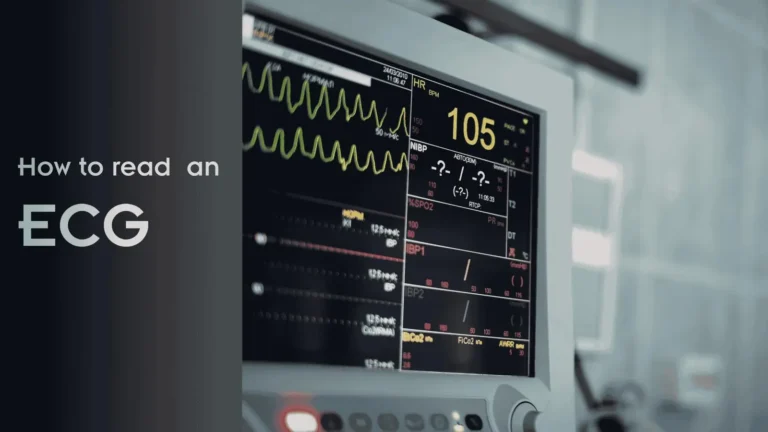
An ECG is a simple, non-invasive test that records your heart’s electrical activity and rhythm. It helps detect arrhythmias, heart blockages, and other potential cardiac issues early. This basic screening can provide insights into what’s happening in different areas of your heart and identify any problems with the rhythm or rate of your heart.
Echocardiogram
An echocardiogram or heart ultrasound provides a detailed overview of your heart structure (chambers and valves), as well as evaluates its pumping efficiency. This non-invasive scan can help your cardiologist detect any structural abnormalities, heart muscle problems, and early signs of cardiac conditions.
CT Scan of Heart
A CT scan of the heart is an advanced imaging test that provides detailed insights into your heart and coronary arteries. Early detection through a CT scan supports timely interventions and better heart health management.
Carotid Doppler
A carotid Doppler is an ultrasound test that examines the blood flow in the carotid arteries, which supply the brain with blood. It helps detect narrowing or blockages that could increase the risk of stroke or cardiovascular complications. This test is a vital part of early heart screening for overall vascular health.
Conclusion
With early heart screening, you can prevent numerous heart health risks and ensure long-term cardiac health. Book your cardiac screening with Dr Francesco Lo Monaco, a preventive cardiologist in the UK, to take proactive steps towards better and long-lasting cardiovascular wellbeing.