
HEART MURMURS: SYMPTOMS, CAUSES, AND TREATMENT
Not all heart murmurs are dangerous, but deserve attention. Early assessment can help your doctor distinguish innocent (harmless) murmurs from those requiring focused treatment.
WHAT IS A HEART MURMUR?
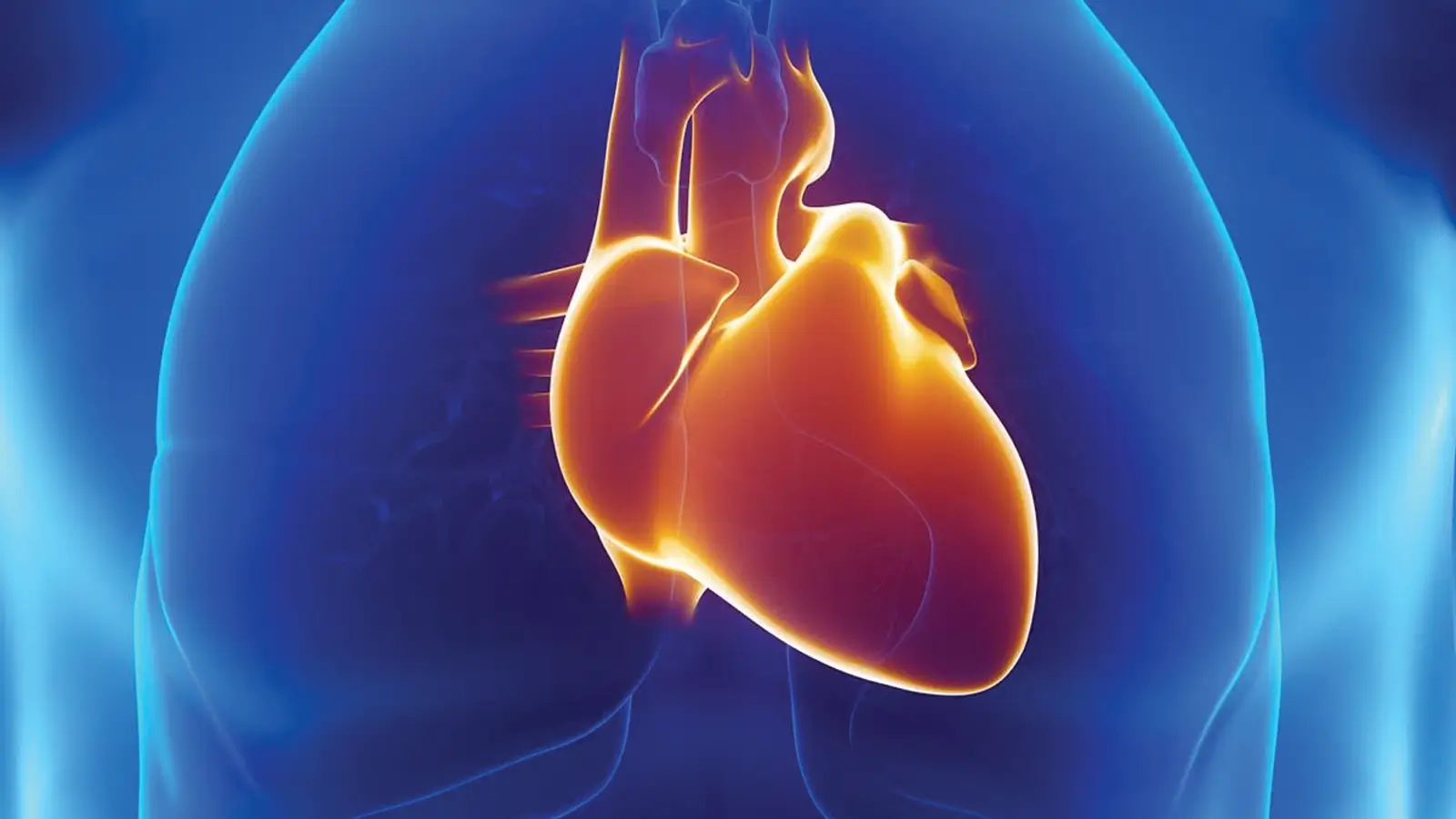
A heart murmur is an unusual whooshing or swishing sound heard during a heartbeat using a stethoscope. It occurs when blood flows abnormally through the heart, often due to narrowed, stiff, or leaking heart valves. Many heart murmurs are harmless and need no treatment, but some can signal an underlying heart problem that may require a thorough cardiac evaluation.
CAUSES AND TYPES OF HEART MURMURS
Cardiac murmurs can be of different types, each caused by different factors.
Innocent Heart Murmurs
Innocent heart murmurs occur when blood flows faster than normal through a healthy heart. They commonly occur in babies and children due to their naturally increased heart rate. However, some adults may also experience this type of heart murmur throughout life without causing any complications, so they do not require treatment.
Abnormal Heart Murmurs
Abnormal heart murmurs are caused by structural problems within the heart that disrupt normal blood flow. These may include narrowed or leaking heart valves or openings between the heart chambers. Abnormal murmurs are often linked to congenital heart defects and require a detailed cardiac assessment.
Systolic Cardiac Murmur
Systolic murmurs occur when the heart contracts and pumps blood to the rest of the body. They are commonly associated with valve narrowing or leakage.
Diastolic Cardiac Murmur
Diastolic murmurs occur when the heart relaxes between beats and fills with blood. These murmurs are more likely to indicate underlying heart valve disease and usually require further investigation.
Continuous Heart Murmur
Continuous murmurs are heard throughout the entire cardiac cycle, during both contraction and relaxation.
SYMPTOMS OF HEART MURMURS
Heart murmurs, mainly, do not cause noticeable symptoms and are often detected during a routine heart examination. However, when it is linked to an underlying heart condition, symptoms may develop, such as:
RISK FACTORS FOR CARDIAC MURMURS
Certain health conditions can increase the likelihood of developing a cardiac murmur, such as:
ASSESSMENT AND DIAGNOSIS OF A HEART MURMUR
Heart murmurs often cause no symptoms and are usually detected during a physical heart examination. Using a stethoscope, your doctor listens to the heart and grades the murmur on a scale from 1 (very faint) to 6 (very loud).
For a more detailed assessment, your cardiologist may recommend further tests such as an echocardiogram, electrocardiogram, or chest X-ray to evaluate heart structure and blood flow. Based on your results, symptoms, and overall heart health, a personalised treatment is decided.
TREATMENT FOR CARDIAC MURMURS
Dr Francesco Lo Monaco takes a preventive approach to treat heart murmurs. He focuses on identifying the cause early to protect heart health. If heart murmurs are due to an underlying heart condition, early intervention is essential to better manage symptoms and reduce future risks. Treatment is planned based on your heart health, lifestyle, and risk factors.
FAQs
BOOK A CARDIOLOGY APPOINTMENT ONLINE
If you’ve recently had a specialist heart checkup and feel unsure about the diagnosis or treatment plan, getting a second opinion can provide the clarity you need. Schedule a consultation with Dr. Lo Monaco, an expert private cardiologist in London, or book your heart test/scan today for fast, specialist cardiac care.