
HIGH CHOLESTEROL – DIAGNOSIS, TREATMENT & LONG-TERM MANAGEMENT
High blood cholesterol is a major contributor to various cardiovascular diseases and a leading cause of heart-related deaths in the UK. Early assessment and proper management can play a critical role in reducing cardiac risks and complications.
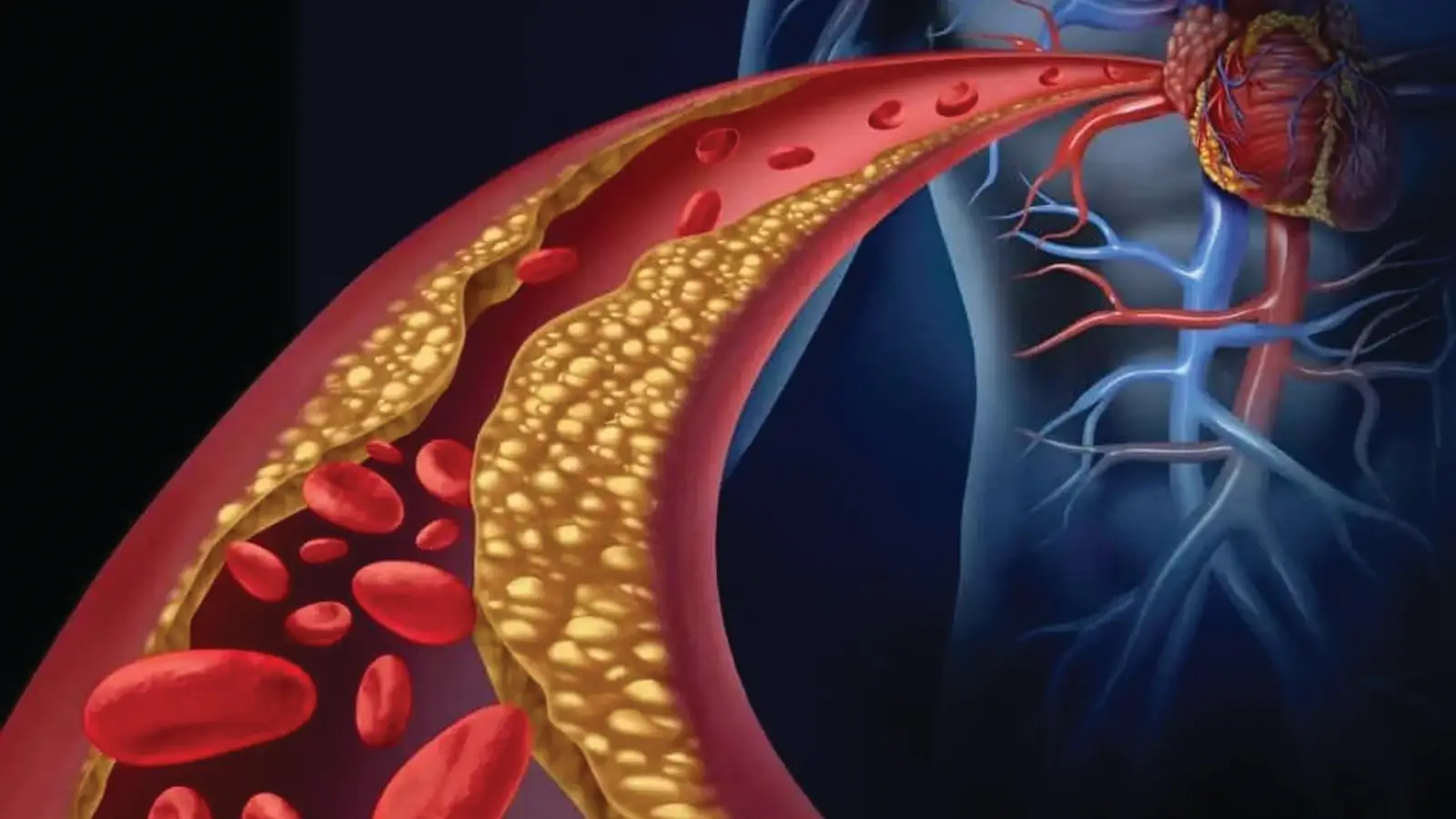
WHAT IS CHOLESTEROL AND WHY ITS OPTIMAL LEVEL MATTERS?
Cholesterol is a fatty substance essential for energy production, cellular health, and metabolism. Maintaining it within a healthy range is crucial. High levels can build up in the arteries, increasing the risk of heart attack and stroke, while optimal levels support long-term cardiovascular health.
HDL, LDL, TRIGLYCERIDES: UNDERSTANDING THE TERMS
HDL Cholesterol
Commonly known as ‘Good Cholesterol’, HDL helps remove excess LDL from your arteries and transports it to the liver, reducing the risk of cardiovascular problems.
LDL Cholesterol
LDL is often called ‘Bad’ Cholesterol as it builds up fats in arteries at an elevated level, narrowing them and increasing the risk of heart attack or stroke.
Triglycerides
These fats store extra energy from your diet. Elevated triglyceride levels, especially when combined with high LDL, can raise the risk of heart-related complications.
SYMPTOMS OF RAISED BLOOD CHOLESTEROL
Most people with excess LDL cholesterol usually don’t experience any signs until they develop health complications. While others may feel one or more of the following signs mentioned below:
WHAT CAUSES HIGH CHOLESTEROL?
Several factors can contribute to raising your cholesterol. Among all lifestyle choices and family history plays a major role in elevating your cholesterol levels. Common causes include:
DIAGNOSIS
Raised cholesterol level often shows no noticeable symptoms, so it cannot be detected without testing. A simple lipid profile is required to measure your HDL, LDL, and triglyceride levels. While fasting isn’t always required, an 8-hour fast can provide more precise results.

TREATMENT OF HIGH CHOLESTEROL LEVEL
Dr Francesco Lo Monaco manages your elevated cholesterol levels using a preventive cardiology approach by prioritising early assessment, lifestyle optimisation, and personalised cardiovascular risk management. Evaluating your cardiovascular profile, Dr Monaco develops personalised strategies to maintain optimum cholesterol levels, reduce long-term heart risk, and protect heart health, well before complications develop.
LIFESTYLE CHANGES FOR MANAGING HIGH CHOLESTEROL
BOOK YOUR CARDIOLOGY APPOINTMENT
Experiencing risk factors such as high cholesterol, fatigue, chest pain, or are concerned about your heart health? Early assessment can make a meaningful difference. Book a consultation with Dr Francesco Lo Monaco, a London-based preventive cardiology expert, for personalised evaluation, early risk management, and long-term heart health planning.
FAQs
BOOK A CARDIOLOGY APPOINTMENT ONLINE
If you’ve recently had a specialist heart checkup and feel unsure about the diagnosis or treatment plan, getting a second opinion can provide the clarity you need. Schedule a consultation with Dr. Lo Monaco, an expert private cardiologist in London, or book your heart test/scan today for fast, specialist cardiac care.