How to Sleep with 24 Hour Holter Monitor?
Wearing a 24-hour Holter monitor is generally easy, but sleeping with it can feel a bit uncomfortable. Many people worry about how to sleep comfortably, how to keep the device secure, and whether they can take it off at night.
If you’re unsure how to manage a good night’s sleep while holding a 24-hour Holter monitor, this guide will help. We explain the best sleeping positions and practical tips to help you stay comfortable and relaxed throughout the night.
Book Your ECG Holter in London
What is a 24 Hour Holter Monitor?
A 24-hour Holter Exam is a non-invasive cardiac test that provides a continuous record of your heart’s rate and rhythm throughout your daily activities. This small, portable device tracks the electrical signals of your heart for a full 24 hours-or even longer-offering a comprehensive look at your heart’s activities over time.
By monitoring your whole day’s heart activity, the Holter monitor helps detect irregularities that might not show up during a standard ECG.
After the 24-hour monitoring period, a cardiologist reviews the Holter data and analyses your symptoms. Based on these findings, the doctor can diagnose your heart condition, such as palpitations, arrhythmias, or other underlying cardiac issues that may require further investigation or treatment.
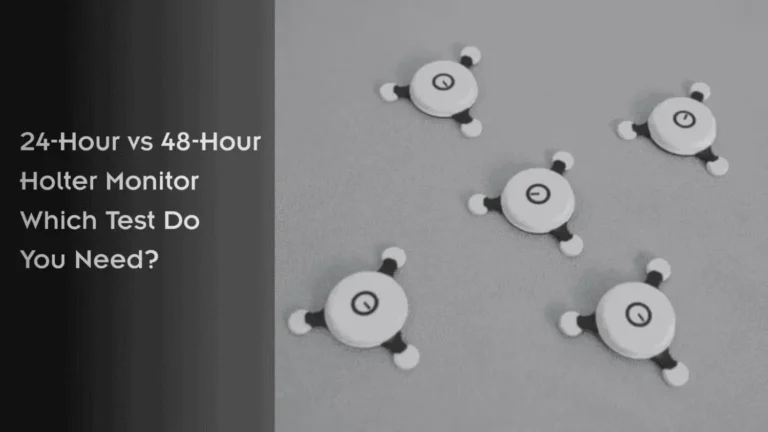
Know the Difference between 24-hour and 48-hour Holter Monitoring
How is a C3+ Holter Monitor Fitted?
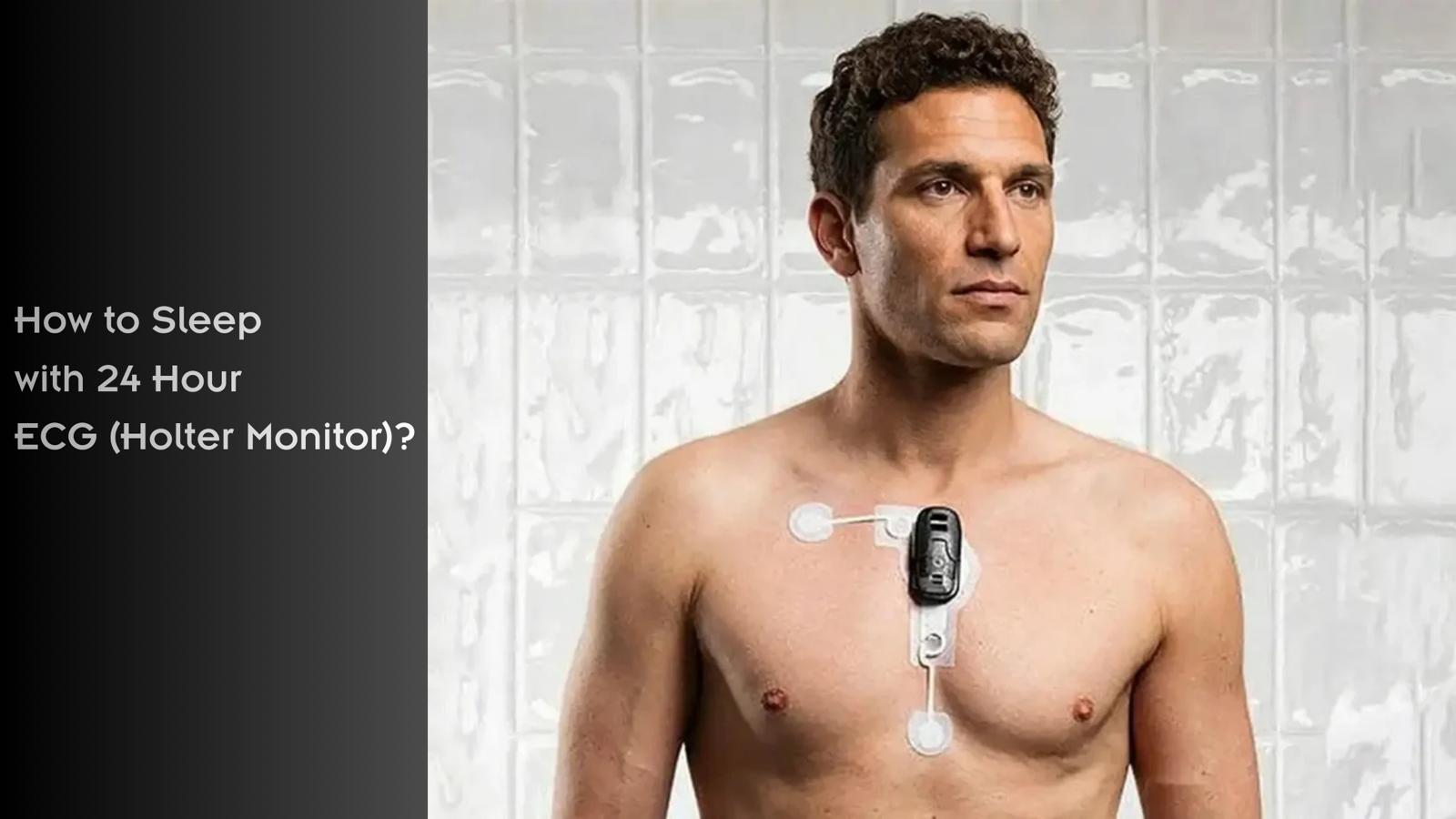
Fitting a modern C3+ Holter monitor is a simple and quick process. The monitor is placed vertically in the middle of the chest. Small adhesive electrodes are attached to the chest and are then connected to the recording device. All electrodes must be properly fixed on the skin. These electrodes continuously record your heart’s activity for a set period. After the monitoring period, the Holter device is carefully removed and returned to the medical team for analysis.
Is Sleeping with a 24hr Ambulatory Monitor Okay?
A full-day ECG Holter is often recommended to be worn continuously for 24 hours (including sleeping hours) to detect any cardiac abnormality. It is a small, wearable device that records your heart’s activity and pulse without causing any discomfort during sleep. However, you may need to be careful while sleeping to avoid disturbing the device or its recording.
Best Sleeping Position to Prevent the Holter Displacement
When it comes to sleeping with a Holter monitor, there’s no one-size-fits-all posture. The key is to select a posture that feels comfortable and doesn’t disrupt the monitor’s recording. Whether you prefer sleeping on your back or on your side, there is no issue! Feel free to experiment and see what works best for you.
If you prefer to sleep on your side, it’s best to place a pillow between your legs to help keep your spine aligned and avoid displacement of the device.
However, it’s recommended to avoid sleeping on your stomach. This position could shift the Holter monitor or displace the electrodes, which might interfere with the device’s ability to record your heart’s activity accurately.
How to Sleep with a 24 Hour Holter Monitor? 5 Key Tips to Follow
Although you can sleep in any position comfortable for you while wearing a Holter monitor, doctors generally recommend lying on your back. Below are essential considerations to help you sleep comfortably while wearing an ambulatory ECG device.
Create a Restful Sleep Environment
A Holter monitor does not directly interfere with sleep, but worrying about electrode detachment or discomfort may affect your rest. To promote better sleep, keep your room at a comfortable temperature, turn off unnecessary lights, and minimise noise.
Wear Comfortable Clothes
It is best to wear loose-fitting clothes, ideally a front-open shirt, as this reduces friction and avoids interference with the device and electrodes. Tight-fitting garments, particularly around the chest, should be avoided.
Adjust Your Sleep Position
Sleeping on your back is the most recommended position when wearing a Holter monitor, as it helps keep the device secure. Sleeping on your side can also be comfortable, but it may increase the risk of electrode displacement. Sleeping on your stomach is generally not advised, as it can put pressure on the electrodes and cause them to detach.
Try Relaxation Techniques
If you find it difficult to fall asleep while wearing the ECG recorder, practice some calming techniques, such as deep breathing or meditation. These can help ease restlessness and anxiety, making it easier to sleep comfortably.
Choose a Supportive Pillow
Choose a pillow that correctly supports your head and neck. A good pillow reduces strain and discomfort, helping you maintain a stable and comfortable sleeping position throughout the night.
Attach the Device Carefully
Place the Holter device in the centre of your chest, just below the collarbone, as instructed by your clinician. Avoid putting pressure on the monitor and electrodes to prevent disconnection. Ensure everything is securely attached and correctly positioned before going to bed.
Restrictions While Wearing a 24-Hour ECG Monitor
A Holter monitor doesn’t interfere with regular daily activities. However, there are a few necessary precautions to take while wearing the device.
- Avoid touching or tampering with the recorder or electrodes unless instructed.
- Do not get the device wet – remove or protect it as advised before taking a shower.
- Avoid wearing tight clothes while using the ambulatory monitor.
- If an electrode becomes loose, gently adjust its position using medical tape.
- Note down any symptoms you experience during the 24hour period and share them with your doctor when you return the device.
Conclusion
Sleeping with a 24-hour ECG Holter is manageable when you create a restful environment, choose the right sleep position, and ensure the device is securely placed. With a few simple adjustments and relaxation techniques, you can manage quality sleep while ensuring accurate data. If you need a 24-hour Holter monitor, book your test today to get reliable insights into your heart health.