
POSTURAL ORTHOSTATIC TACHYCARDIA SYNDROME (POTS)
Postural Orthostatic Tachycardia Syndrome is a circulatory disorder caused by autonomic nervous system dysfunction. In this condition, a person’s heart rate suddenly increases when changing posture from sitting or lying to standing.
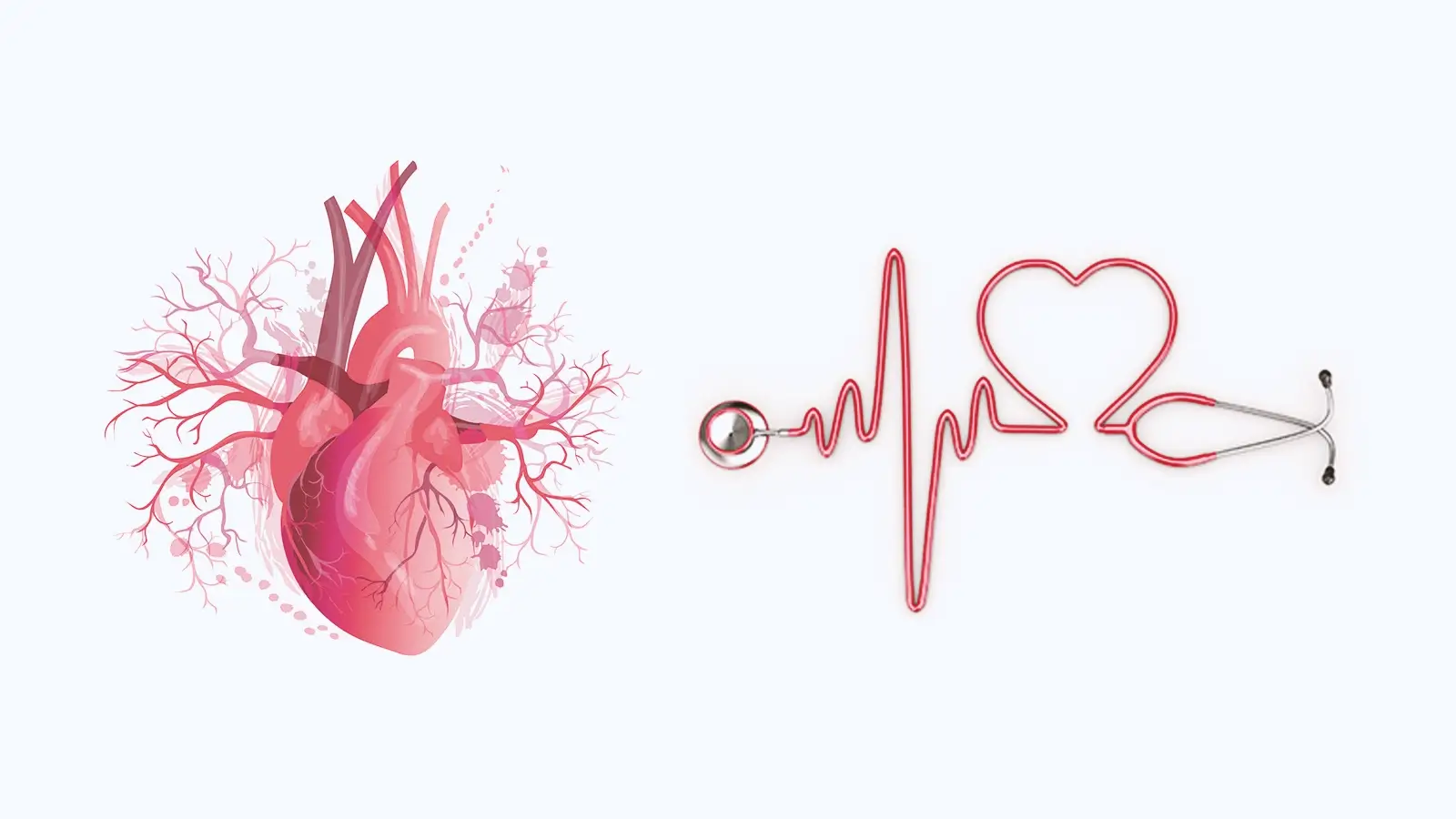
WHAT IS POTS?
Postural Tachycardia Syndrome is a relatively uncommon condition associated with dysfunction of the autonomic nervous system. A healthy ANS regulates involuntary functions, like breathing, heart rate, BP, and body temperature. It helps maintain steady blood circulation throughout the body. In POTS, the nervous system cannot function properly, which causes an abnormal and abrupt increase in your heart rate after sitting up or standing up.
WHAT ARE THE CAUSES OF POTS?
Postural Orthostatic Tachycardia Syndrome can develop from multiple underlying factors. Common contributors include dehydration, bacterial or viral infections, impaired blood pressure regulation, autoimmune conditions, and excessive adrenergic nervous system activity. In many cases, POTS results from a combination of these mechanisms rather than a single cause.
SYMPTOMS OF POTS
POTS may show a range of symptoms that vary from person to person, such as:
HOW TO DIAGNOSE POSTURAL TACHYCARDIA SYNDROME?
Because POTS symptoms often overlap with other conditions, an accurate diagnosis is critical. Dr Francesco Lo Monaco is a leading specialist in heart rhythm disorders and POTS, with extensive expertise in diagnosing and managing complex cardiovascular conditions.
Patients may undergo some tests, such as an ECG, heart ultrasound (Echo), Active Stand Test, or Tilt test, to accurately diagnose POTS:
Active Stand Test
Blood pressure and heart rate are measured while lying down and again after standing for 5 minutes. A sharp rise in heart rate without a drop in blood pressure supports a POTS diagnosis.
Head-up Tilt Test
The patient is secured to a table that gradually tilts to an upright position while heart rate and blood pressure are continuously monitored.
TREATMENT OF POTS
There is currently no single cure for POTS, but early diagnosis and proper management can significantly help manage the condition. Dr Francesco Lo Monaco takes a patient-centred approach, working closely with each person to understand their symptoms and triggers and to devise a personalised treatment plan.
WHO IS AT MORE RISK?
Women are more commonly diagnosed with POTS, particularly between 15 and 50 years of age. The condition is also more likely to develop among individuals with specific triggers or underlying factors. Risk increases when symptoms appear alongside:
BOOK PRIVATE POTS TREATMENT IN LONDON
Dr Francesco Lo Monaco specialises in the diagnosis and treatment of POTS, arrhythmias, palpitations, and unexplained heart symptoms. Schedule your consultation with Dr Monaco, a private POTS specialist in London, for expert assessment and long-term cardiovascular risks.
FAQs
BOOK A CARDIOLOGY APPOINTMENT ONLINE
If you’ve recently had a specialist heart checkup and feel unsure about the diagnosis or treatment plan, getting a second opinion can provide the clarity you need. Schedule a consultation with Dr. Lo Monaco, an expert private cardiologist in London, or book your heart test/scan today for fast, specialist cardiac care.