What Does a Cardiologist Do? Everything You Need to Know
Curious about what does a cardiologist do and his role in protecting your heart health? This guide will help you understand the key responsibilities of a heart specialist.
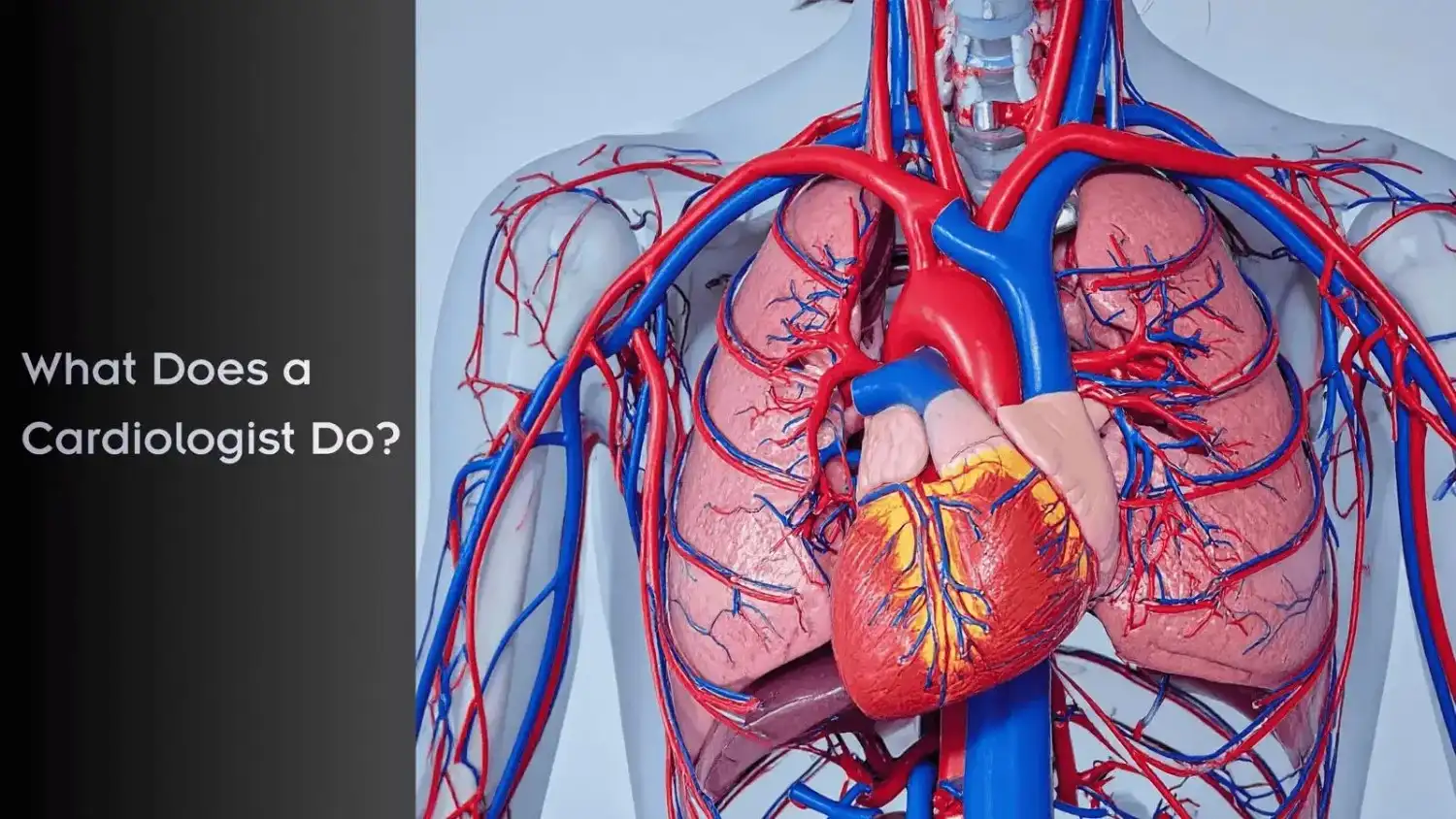
In general terms, a cardiologist is an expert in diagnosing and treating conditions related to the heart and blood vessels. He deals with everything from preventive screening and routine check-ups to managing complex cardiac conditions.
In this article, we’ll provide complete information about what exactly cardiologists do, the conditions they treat, and how they help you maintain optimal cardiovascular health.
Who is a Cardiologist?
A cardiologist is a physician who is an expert in treating diseases related to the heart and blood vessels. He assesses heart health through clinical evaluation, diagnostic tests, and imaging, and treats cardiac conditions with lifestyle guidance, monitoring and medication.
What Does a Cardiologist Do & Specialise In?
Cardiologists are doctors who specialise in diagnosing and treating cardiovascular conditions, including irregular heartbeats, heart valve disorders, cardiac murmurs, coronary artery disease, and other heart-related issues. Their primary role is to evaluate a patient’s heart function through various tests and scans, identify risk factors earlier, and help manage potential problems before they become serious.
What to Expect at Your First Visit to a Cardiologist?
During your first appointment, the cardiologist will carry out a detailed assessment of your heart health. It includes a physical examination, a review of your medical and family history, and a discussion about any symptoms you may be experiencing. You’re asked about your lifestyle, such as diet, exercise, stress levels, and smoking habits.
Based on the evaluation, your cardiologist may recommend heart tests, such as an ECG, echocardiogram, stress test, CT scan, or MRI, to gain a clearer understanding of your cardiovascular health and guide further care.
Types of Cardiologists and Their Respective Roles
Cardiology is a broad field where specialists focus on specific areas of heart health based on their expertise. Here are the main types of cardiologists and their particular roles in cardiac care:
Interventional Cardiologists: Perform minimally invasive procedures using catheters to diagnose and treat cardiovascular conditions.
Preventive Cardiologists: Focus on reducing risk factors through lifestyle guidance, early screening, and preventive care.
Heart Failure Specialists: Manage patients with advanced-stage heart failure, helping manage symptoms and improve quality of life.
Paediatric Cardiologists: Specialise in diagnosing and treating cardiovascular conditions in children.
Cardiac Imaging Specialists: Cardiologists who specialise in non-invasive cardiac tests and scans to visualise the heart’s structure and function clearly.
Common Conditions a Cardiologist Treats
Cardiologists diagnose and treat a range of heart and blood vessel conditions, including:
- High Blood pressure
- High Cholesterol
- Chest Pain (Angina)
- Arrhythmias
- Heart Valve Disorders
- Coronary Artery Disease
- Heart Attack & Stroke
- Congenital Heart Defects
What Type of Tests Does a Cardiologist Perform?
When you visit a cardiologist, he may recommend one or more diagnostic tests based on your symptoms, medical history, and overall health. The comprehensive heart screening helps assess heart function, blood flow, and identify any underlying cardiovascular conditions. Below are some of the most common heart tests performed by cardiologists:
Electrocardiogram (EKG)
A simple ECG test that records the heart’s electrical activity to detect any rhythm irregularities.
Echocardiogram
A cardiac Echo ultrasound that examines the heart’s structure, valves, and pumping function.
24-Hour Holter Monitoring
Continuous 24-hour heart monitoring using an ECG Holter device helps identify intermittent abnormalities that may not appear on a simple ECG test.
Stress Test
An exercise stress test determines how well your heart performs under physical exertion.
Cardiac CT
The cardiac computed tomography scan uses X-rays to produce detailed images of the heart and coronary arteries.
Cardiac MRI
The MRI test of the heart uses radio and magnetic waves to analyse the heart’s chambers, valves, and muscles in detail.
Book your heart tests in London
When Should You See a Cardiologist?
Your primary healthcare provider may refer you to a cardiologist if they suspect heart disease or notice something that requires a more detailed cardiac evaluation. In some cases, mild symptoms may resolve on their own. However, if you experience persistent or concerning symptoms, it’s essential to seek specialist care promptly.
Some common signs that may require a thorough cardiac assessment include:
- Chest discomfort or pain
- Dizziness or fainting
- High blood pressure
- Abnormal Heartbeat
- Heart Palpitations
- Extreme Fatigue
- Shortness of breath
Even without symptoms, regular check-ups with a cardiologist can help prevent future heart problems, especially if you have a family history of heart disease. Early detection plays a crucial role in effective, long-term heart health management.
How Do Cardiologists Help Prevent Heart Disease?
Prevention truly is better than cure, especially when it comes to heart health. Many cardiovascular conditions develop quietly over time and often go unnoticed until serious complications occur. That’s why heart specialists, particularly preventive cardiologists, place strong emphasis on early risk assessment and proactive care. Here’s how specialists of the heart help reduce the risk of heart disease:
Lifestyle Guidance
Cardiologists provide personalised advice on heart-healthy lifestyle changes, including balanced nutrition, regular physical activity, stress management, and maintaining a healthy weight. They also guide patients in quitting smoking and reducing alcohol intake to improve overall cardiovascular wellness.
Medication Management
Conditions such as high blood pressure, high cholesterol, and early artery blockages may require medication. Cardiologists carefully prescribe and adjust medicines to control risk factors and prevent long-term complications.
Regular Monitoring
Ongoing monitoring through routine check-ups and diagnostic tests helps track heart health, detect issues early, and ensure preventive strategies remain effective.
Conclusion
Whether you’re experiencing symptoms of a heart condition, have concerns about your family history, or simply want to take a proactive approach to your heart health, consulting a cardiologist is an important step.
If you’re worried about your cardiovascular wellbeing and want expert guidance, we’re here to help. Contact us today to book an appointment with Dr Francesco Lo Monaco, a highly experienced London-based cardiologist dedicated to personalised, preventive heart care.