What is Cardiac Screening? A Patient’s Guide to Heart Tests
Heart disease often develops silently, long before noticeable symptoms appear. Many people feel healthy while underlying heart conditions remain undetected. It highlights the importance of regular cardiac screening, which helps identify problems at their earliest and most treatable stage.
Through in-depth heart screening, you can gain a clear understanding of your heart health and assess the risk of future complications. In this blog post, we’ll explore what cardiac screening is, the tests involved in a comprehensive assessment, and who should consider a detailed heart health screening.
What is Cardiac (Heart) Screening?
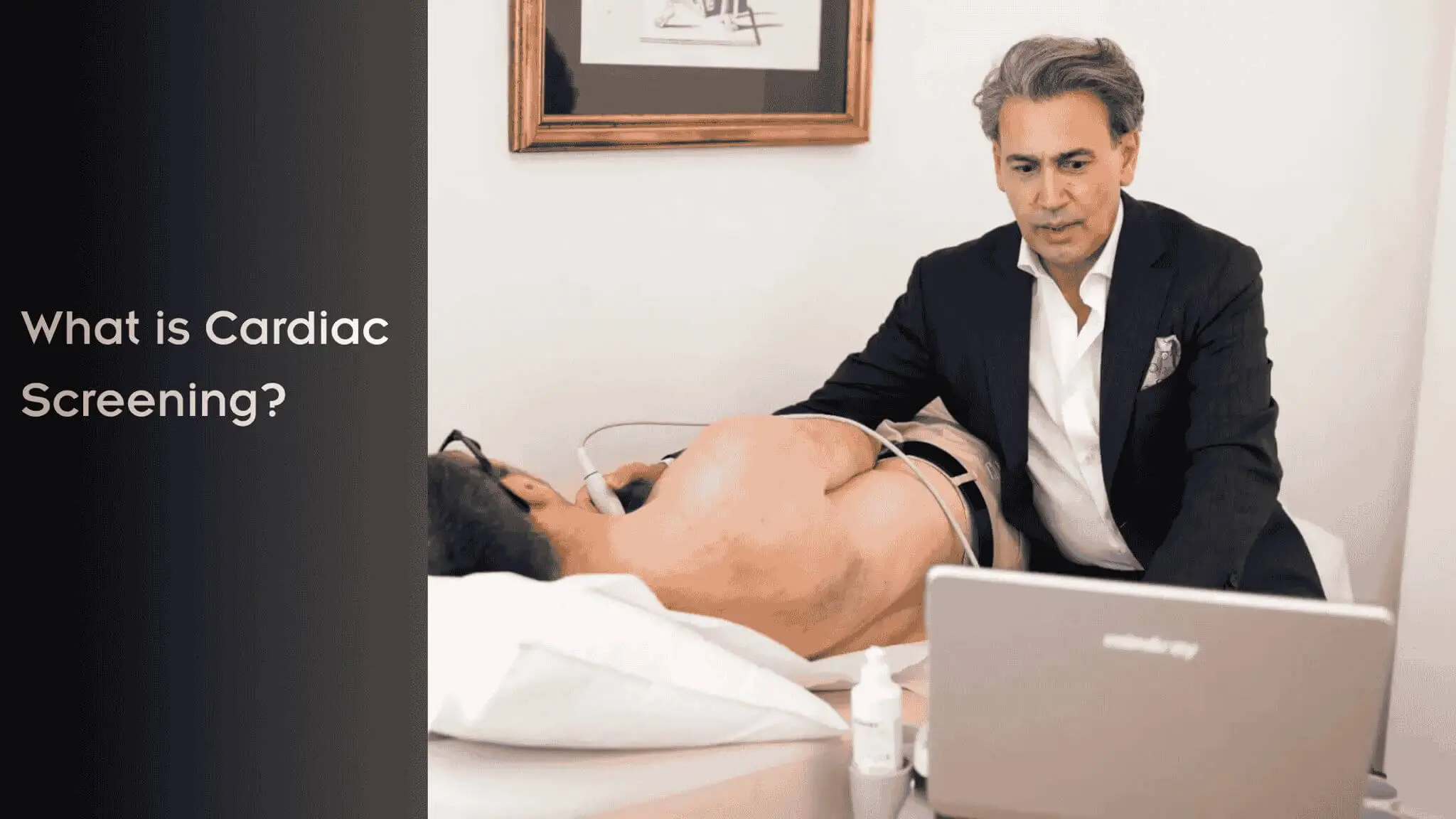
Cardiac screening is a comprehensive heart assessment using a combination of medical tests and diagnostic scans. It helps in early detection of heart issues, such as blocked or narrowed arteries, abnormal heart rhythms, and structural or functional abnormalities and can significantly reduce the risk of serious complications like heart attacks or strokes.
Who Should Consider Regular Heart Screening?
Regular heart screening is important to ensuring long-term cardiovascular health. Many heart conditions develop gradually and remain undetected until they become serious. Individuals with existing concerns, congenital heart defects, or have specific symptoms should always consult a cardiologist and book their cardiac screening to monitor their condition closely.
Doctors commonly recommend a comprehensive heart screening if:
- You have a family history of heart disease, particularly among close blood relatives.
- You have conditions such as high blood pressure, high cholesterol, or diabetes, which increase heart disease risk over time.
- You are aged 40 or above, when the risk of heart disease naturally begins to rise.
- You are living a sedentary lifestyle, with little or no physical activity.
- Your diet is high in oily, sugary, or heavily processed foods.
Importance of Private Heart Screening
Cardiovascular diseases are among the leading causes of illness and death in the United Kingdom. One of the main reasons is that many heart conditions remain undiagnosed until they reach an advanced and high-risk stage.
Early heart screening plays a crucial role in early detection, helping identify potential heart problems at an early stage and preventing disease progression. Below are key reasons why private cardiac screening is important for everyone, whether or not symptoms are present:
- Detects heart conditions at an early and more treatable stage.
- Identifies hidden cardiovascular issues.
- Helps prevent serious events, such as heart attacks or strokes.
- Enables timely medical intervention and lifestyle adjustments.
- Supports personalised treatments and prevention plans.
- Helps ensure long-term heart health and fitness.
6 Common Types of Cardiac Screening Tests
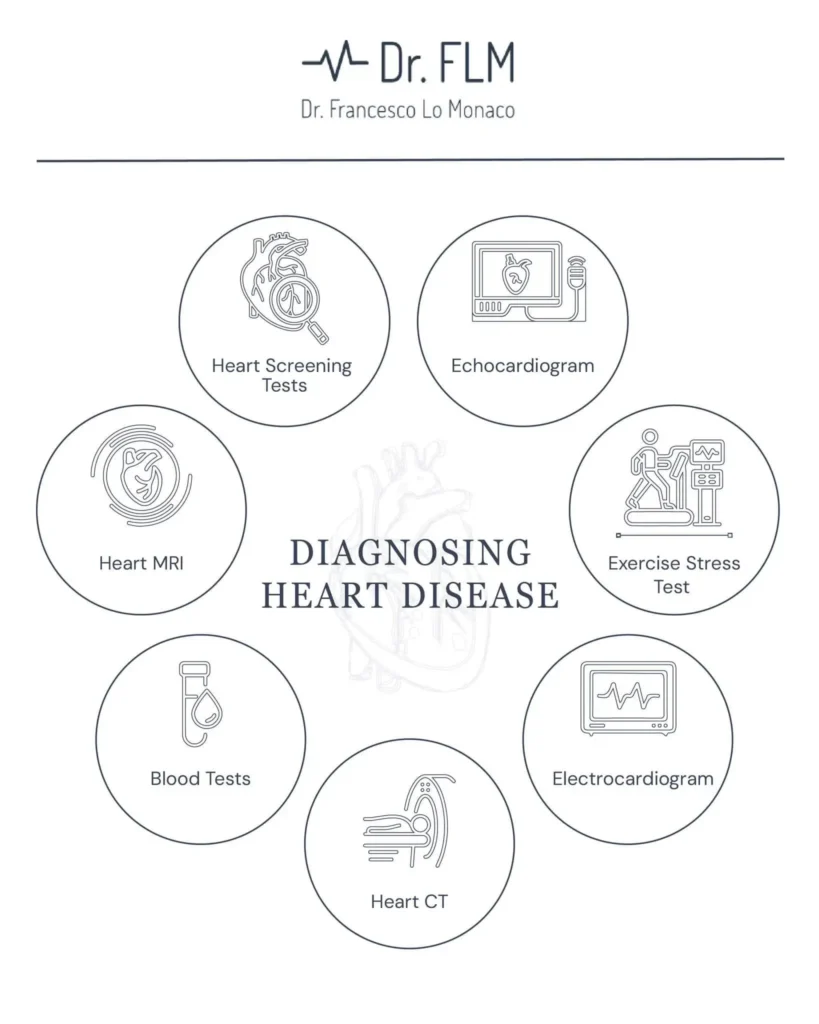
The term cardiac screening does not refer to a single test. Instead, it includes a range of diagnostic tests, imaging procedures, and scans for detailed insights into your heart health. These assessments help identify potential cardiac issues early and support accurate evaluation of heart function and structure. Some of the most commonly used cardiac screening tests are mentioned below:
Electrocardiogram (ECG)
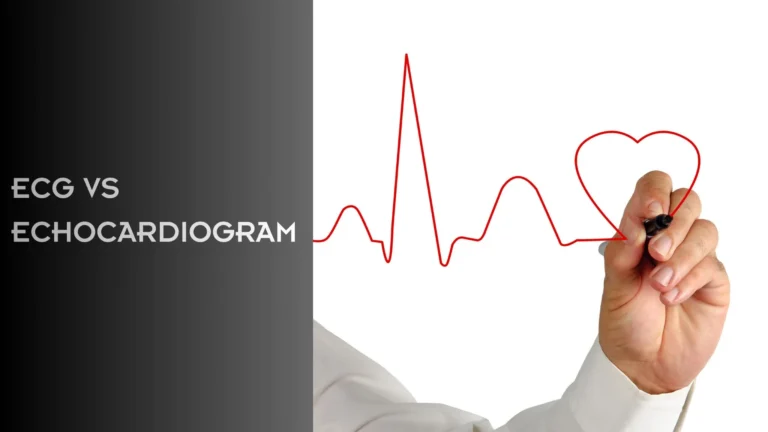
An electrocardiogram (ECG) is one of the most basic and commonly used cardiac tests. It records the heart’s electrical activity and rhythm to identify abnormalities, such as irregular heartbeats, signs of a prior heart attack, or other electrical disturbances. ECGs are often the first step in cardiovascular screening and diagnosis.
Echocardiogram
A heart echo scan is an advanced ultrasound test that uses sound waves to create detailed images of the heart. It assesses the heart’s size, structure, valve function, and pumping efficiency, helping detect structural abnormalities and functional heart conditions.
Learn More: ECG Vs Echocardiogram
Exercise ECG
Also known as a stress test, an exercise ECG evaluates how the heart performs during physical activity, such as walking on a treadmill or cycling on a stationary bike. This cardiovascular test checks how well the heart responds to increased workload.
Heart CT (Coronary CT Angiogram)
Heart CT is an advanced imaging test that gives a detailed picture of your coronary arteries using X-rays. A cardiac CT is usually used to detect narrowing or blockages of the arteries, which can lead to a heart attack.
Cardiac MRI
A cardiac MRI uses strong magnetic fields and radio waves to produce detailed images of the heart. It helps identify areas of damaged heart muscle, restricted blood flow, inflammation, or scarring issues.
Carotid Ultrasound
A carotid ultrasound uses sound waves to create images of the carotid arteries in the neck. This test helps detect narrowing or plaque buildup that can reduce blood flow to the brain and increase the risk of stroke.
How to Prepare for Your Heart Screening?
Proper preparation before a heart screening helps ensure accurate and reliable results. Your doctor or laboratory team will provide specific instructions based on the tests being performed. However, some general preparation tips that apply to most cardiac health assessments are:
- Share your complete medical history, family history, previous test reports, and any symptoms with your doctor.
- Wear comfortable, loose-fitting clothing, especially if an exercise-based test is planned.
- Inform your doctor in advance about any medications or supplements you are currently taking.
- Confirm whether fasting is required before the test and follow the instructions carefully.
What Can You Expect During a Heart Test?
General Preparation Requirements
Fasting Before Specific Cardiac Tests
Some heart screening tests may require fasting for 8 to 10 hours beforehand. This is not necessary for every test, and your healthcare provider will let you know if fasting is required.
Lifestyle Considerations
Avoiding smoking, alcohol, and caffeinated products before a heart test is often recommended. These factors can temporarily affect heart rate and blood pressure, potentially influencing test accuracy.
Temporary Pause in Supplements
Your doctor may advise stopping certain supplements before your screening to prevent interference with test results and ensure accurate cardiac assessment.
What to Expect During Specific Cardiac Tests?
Basic Heart Tests
Most heart screening tests are safe, painless, and non-invasive. Common tests, such as an ECG or echocardiogram, are well tolerated, and you typically do not feel discomfort during or after the procedure. These tests are designed to assess heart rhythm, structure, and function without causing stress to the body.
Stress Test
During an exercise ECG, also known as a stress test, you may experience temporary breathlessness or fatigue as your heart works harder. These symptoms usually resolve shortly after the test and can help doctors evaluate how your heart responds to physical exertion.
Comprehensive Imaging Tests
For imaging tests such as a heart CT scan, a contrast dye may be injected to improve image clarity. This is generally safe and rarely causes side effects. If you notice any unusual symptoms during or after a heart test, inform your doctor immediately so he can respond appropriately.
What to Expect After a Heart Health Screening?
Most cardiovascular screening tests do not cause any complications, and you can usually go home shortly after the procedure. In most cases, you may return to your normal routine the same day.
However, if sedation was used during a specific test, you may feel slightly drowsy for a short period and should wait until you feel fully alert before leaving.
For heart disease screenings that involve contrast dye, you may be advised to drink plenty of fluids to help flush the dye out of your body through urine.
For added comfort and safety, it is recommended to have someone accompany you to your cardiac screening appointment, especially if sedation or advanced imaging tests are involved.
Associated Risks for Heart Screening
Heart health exams are generally safe, painless, and well-tolerated. However, like any medical investigation, some tests may carry minimal risks or cause temporary discomfort. These risks are rare and depend on the type of screening performed. Possible risks associated with specific heart disease screening tests may include:
- Exposure to low levels of radiation during imaging tests, such as CT scans.
- Temporary strain on the kidneys from contrast dye used in some imaging procedures.
- Rare catheter-related complications in invasive tests.
- Potential risks for pregnant or nursing women.
- Mild chest discomfort or temporary changes in heart rhythm.
Bottom Line
Cardiac screening is a proactive way to safeguard your heart and reduce the risk of serious complications. Early detection helps receive timely treatment, personalised care, and a clearer understanding of your heart health. Book your heart screening today to protect your cardiovascular wellbeing.