
CORONARY ARTERY DISEASE (CAD): DIAGNOSIS, SYMPTOMS & TREATMENT
Protect your heart before symptoms strike. Coronary Artery Disease can develop silently, increasing the risk of heart attacks and complications. Early detection through advanced cardiac screening and lifestyle modifications can significantly reduce the risk of CAD and blood flow abnormalities.
WHAT IS CORONARY ARTERY DISEASE (CAD)?
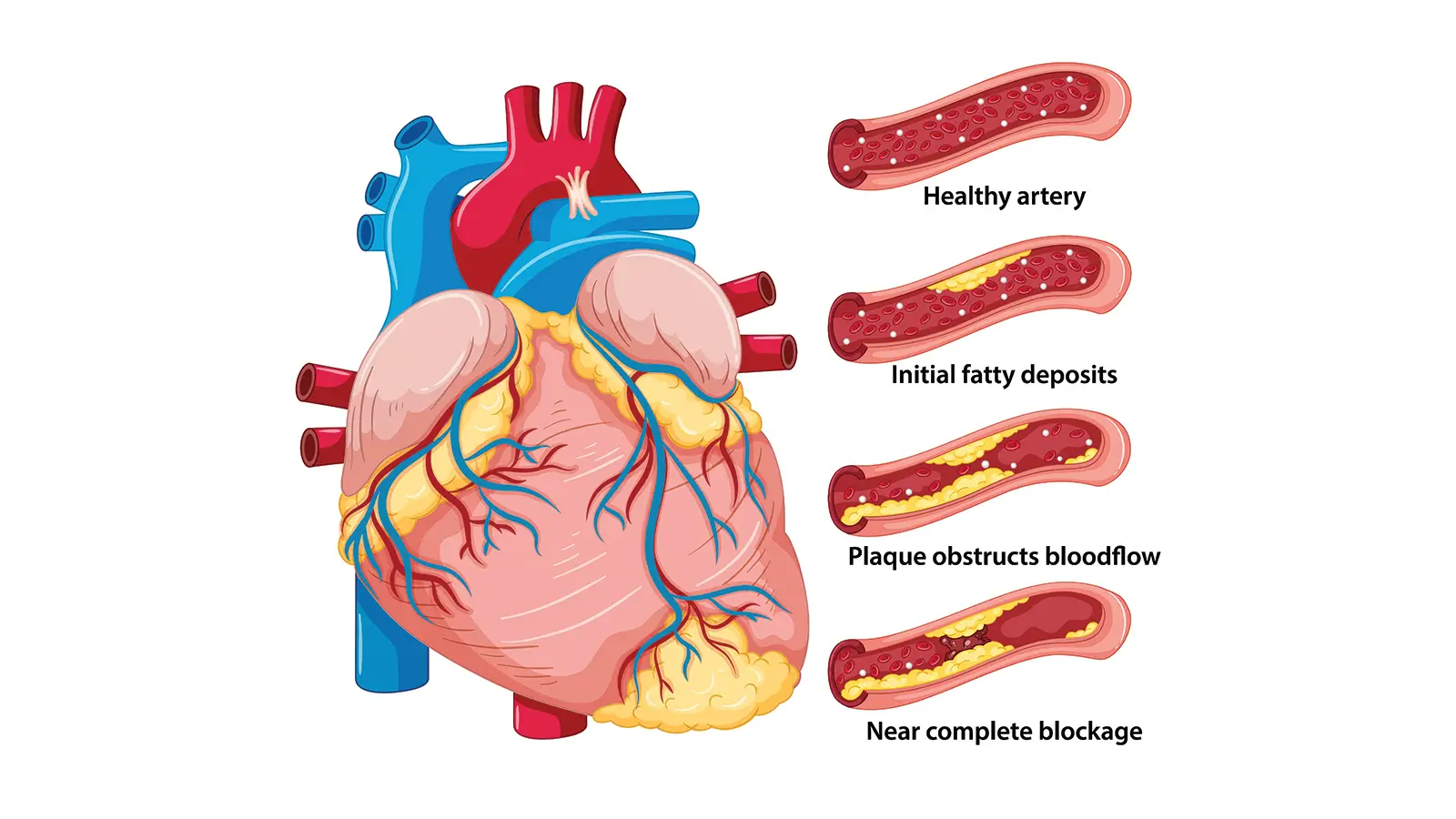
Coronary Artery Disease, also known as Ischemic Heart Disease, develops when the arteries supplying oxygen-rich blood to the heart become narrowed or blocked by fatty deposits called plaque. Severe blockages can trigger chest pain, heart attack, stroke, or other serious heart complications, making early detection and management crucial.
SYMPTOMS OF CORONARY HEART DISEASE (CHD)
Not everyone with CHD experiences the same symptoms. Signs can vary based on age, gender, and the severity of arterial blockage. In some cases, symptoms may develop gradually over decades or appear suddenly. Some common symptoms of CAD include:
CAUSES OF CORONARY ARTERY DISEASE
Coronary disease develops when the coronary arteries become damaged or narrowed, causing a restricted blood flow. This condition can be caused by underlying medical conditions, lifestyle, or genetic factors, such as:
TYPES OF CORONARY HEART DISEASE
HOW TO DIAGNOSE CORONARY ARTERY DISEASE?
CAD often develops gradually over the years without any clear symptoms. Therefore, diagnosis can not rely on symptoms alone. If your cardiologist suspects CAD, cardiac investigations may be recommended to evaluate heart function, blood flow, and arterial health. Standard diagnostic tests include:
ECG
An ECG reveals the abnormal electrical activity of the heart caused by reduced blood supply to the heart muscle. In patients with suspected Coronary Disease, ECG findings may indicate previous heart attacks, ongoing ischaemia, or abnormal heart rhythms linked to impaired coronary circulation.
Heart Echo
An echocardiogram test uses ultrasound imaging to assess the heart structure. It identifies areas of the heart muscle with restricted blood flow caused by narrowed or blocked coronary arteries.
Exercise Stress Test (ETT)
The ETT evaluates how well the heart performs under physical exertion. For CAD assessment, this test helps detect exercise-induced chest pain, ECG changes, or reduced blood flow that may not be evident when the heart is at rest.
Holter Monitoring
Ambulatory Holter Monitoring involves continuous ECG recording over 24 hours or longer. It helps detect heart rhythm abnormalities or silent ischaemic episodes that occur during daily activities and may be associated with compromised coronary blood flow.
Heart CT
Cardiac CT is a non-invasive imaging test used to detect calcium deposits and plaque within the coronary arteries and assess the risk of future cardiac events.
Cardiac MRI
Cardiac MRI provides high-resolution images of the heart using magnetic and radio waves. It helps assess heart muscle damage, reduced blood supply, scarring from previous heart attacks, and overall cardiac function with exceptional detail.
WHAT TO EXPECT IN YOUR INITIAL CAD ASSESSMENT?
Dr Francesco Lo Monaco conducts a comprehensive cardiac assessment by reviewing your medical history, current symptoms, and performing a physical examination. Your vitals and lifestyle factors, such as diet, physical activity, smoking, alcohol intake, and stress levels, are carefully evaluated. Based on this assessment, Dr Monaco identifies whether further diagnostic tests are required and develops a personalised plan accordingly.
PREVENTION AND TREATMENT OF CAD
Dr Monaco, the preventive heart specialist in London, adopts a proactive, prevention-focused approach by identifying cardiovascular risk factors early, combining advanced cardiac screening with personalised lifestyle guidance. By addressing risk factors earlier, he helps patients reduce the risk of CAD complications and maintain long-term heart health.
FAQs
BOOK A CARDIOLOGY APPOINTMENT ONLINE
If you’ve recently had a specialist heart checkup and feel unsure about the diagnosis or treatment plan, getting a second opinion can provide the clarity you need. Schedule a consultation with Dr. Lo Monaco, an expert private cardiologist in London, or book your heart test/scan today for fast, specialist cardiac care.