Complete Guide to Ectopic Beats: How to Stop Them Naturally?
A sudden thud, flutter, or skipped heartbeat can feel alarming. These sensations are often caused by ectopic beats – extra or missed heartbeats that many people experience at some point. These ectopic heartbeats are usually harmless, but frequent episodes may require medical attention to identify the cause. Seeing a cardiologist can help identify triggers, reduce palpitations, and protect your long-term heart health.
What are Ectopic Heartbeats?
An extra thump in the chest or the feeling of an extra or missed heartbeat is often caused by ectopic beats. They can be unsettling, especially when they are frequent or associated with other heart conditions. Persistent symptoms should not be ignored, as they may indicate an underlying rhythm disorder and require proper cardiac investigation to protect long-term heart health.
What are the Symptoms of Cardiac Ectopic Beats?
The symptoms of cardiac ectopics vary widely from person to person. Some people may experience no or mild symptoms, while others may notice a thump of the compensatory normal heartbeat. In some cases, ectopic beats may be accompanied by lightheadedness, dizziness, or faintness. Even when symptoms seem mild, recurring episodes can cause anxiety and should not be ignored.
If you’re concerned about ectopic beats – noticing symptoms for the first time or experiencing recurring episodes, a specialist assessment provides clarity and reassurance. You can book an appointment with Dr Francesco Lo Monaco for a proper diagnosis and personalised guidance tailored to your symptoms, helping you understand your heart rhythm and plan treatment accordingly.
How Many Ectopic Beats are Normal?
Occasional ectopic beats are extremely common and can happen in healthy people with no underlying heart disease. Cardiologists assess these extra heartbeats based on the number that occur within 24 hours, known as the ‘ectopic burden’, as well as their frequency. This measurement helps doctors understand whether the pattern is harmless or needs further evaluation. In clinical practice, ectopic burden is generally grouped into four categories:
- Low Burden: Less than 5000 ectopic beats in 24 hours
- Moderate Burden: 5000 to 9999 ectopic beats in 24 hours.
- High Burden: 10,000 to 19,999 ectopic beats in 24 hours
- Very High burden: More than 20,000 ectopic beats in 24 hours.
Types of Ectopic Beats
Premature Atrial Contractions (PACs)
PACs originate in the upper chambers of the heart, known as the atria. They are common and usually benign. However, a very high frequency of PACs may increase the risk of developing atrial rhythm problems such as atrial fibrillation in some people.
Premature Ventricular Contractions (PVCs)
PVCs arise from the lower chambers of the heart, called the ventricles, which pump blood to the lungs and the rest of the body. Because the ventricles generate stronger contractions, PVCs are often felt more noticeably than atrial ectopics. Frequent PVCs may require further assessment to rule out coronary artery disease or other underlying heart diseases.
Triggers of Cardiac Ectopics
Certain lifestyle factors can increase the likelihood of ectopic beats, including:
- Smoking and Nicotine
- Alcohol and Excess Caffeine Consumption
- Stress/Anxiety
- Hormonal Changes
- Highly Processed or Spicy Foods
- Dehydration and Electrolyte Imbalance
- Underlying heart condition, like AFib, cardiomyopathy, heart failure, or COPD.
Learning what triggers your ectopic beats is one of the most effective ways to manage them and regain rhythm control. Small lifestyle changes can make a noticeable difference in reducing symptom frequency.
Which Cardiac Tests Can Help Diagnose Ectopic Beat?
Ectopic beats can feel similar to other heart rhythm issues, including palpitations, arrhythmias, or anxiety-related symptoms. Because of this overlap, accurate diagnosis requires comprehensive cardiac tests.
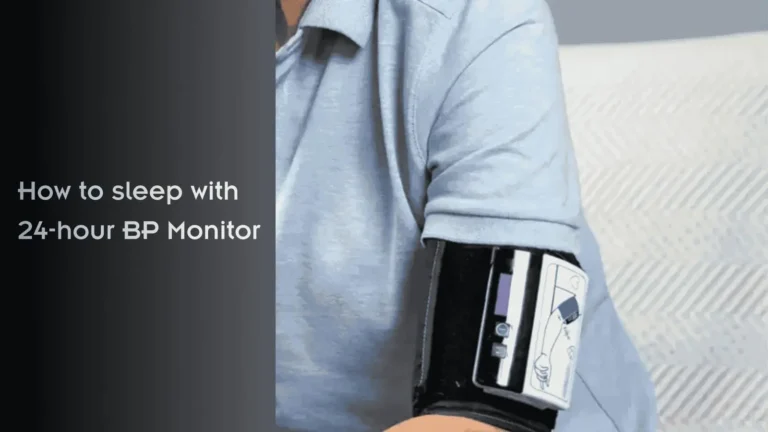
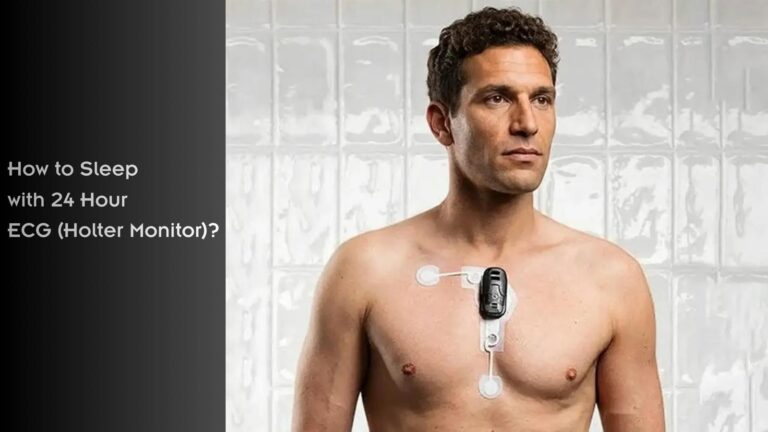
A cardiologist uses targeted heart investigations to confirm whether symptoms are of ectopics or an underlying rhythm disorder. Common diagnostic tests may include:
When to Worry?
Cardiac ectopic beats are common and, in most cases, harmless. Many people never need treatment. However, if your symptoms become intense, persistent, or start happening more often, it’s important to seek specialist advice.
You should seek urgent medical attention if ectopic beats are accompanied by:
- Chest Pain
- Shortness of Breath
- Dizziness or Fainting
- Chronic Fatigue
- Swelling in the ankles, feet, and legs
How to Stop Ectopic Beats Naturally? Tips to Manage Frequent Ectopics
Mild ectopic pulse can often be reduced by identifying triggers and improving everyday habits. While occasional ectopics are usually harmless, frequent episodes may respond well to simple lifestyle adjustments. Learning what provokes your symptoms gives you more control and helps minimise how often they occur.
Understand Your Triggers
The most effective natural step is recognising what triggers your ectopic beats. Many episodes are linked to stimulants or lifestyle factors rather than heart disease. Common triggers include caffeine, alcohol, poor sleep, emotional stress, and dehydration. Because triggers differ from person to person, tracking when symptoms happen can help you spot patterns and avoid intense episodes.
Avoid Smoking
Smoking increases the heart rate and disturbs its normal electrical activity, which can trigger ectopic beats. Quitting smoking improves your heart health, rhythm, and overall cardiovascular wellness.
Increase Physical Activity
Regular exercise, such as walking or endurance training, strengthens the heart and improves blood circulation. Also, such activities can help reduce stress and improve your mood, which ultimately lowers the risk of ectopic pulses.
Be Stress-Free
Stress and anxiety can trigger or worsen ecopic beats. Practising relaxation techniques, such as deep breathing, meditation, or yoga, helps keep you calm and stress-free, thereby stabilising heart rhythm and improving overall nervous system function.
Stay Hydrated
Dehydration can affect electrolyte balance and provoke ectopic cardiac beats. Drinking enough water throughout the day helps maintain healthy heart function and reduces the risk of irregular heartbeats.
Prioritise Quality Sleep
Adequate, uninterrupted sleep is essential for maintaining a steady heart rhythm. Poor or irregular sleep can increase the likelihood of ectopic beats and make existing symptoms more noticeable. Aim for 7-8 hours of quality sleep each day, maintain a consistent bedtime routine, and create a calm sleeping environment to support heart health.
What are the Treatments of Ectopic Beats?
Cardiac ectopics don’t always require specific treatment; management and lifestyle modifications are often sufficient. Simple changes, like reducing stimulants, managing stress, staying hydrated, and improving sleep, often help minimise episodes and improve overall heart health.
However, if symptoms become frequent, prolonged, or occur alongside warning signs, medication or targeted interventions may be necessary.
Dr Francesco Lo Monaco offers personalised assessment and monitoring, using advanced diagnostics to identify the cause of your ectopic cardiac beats. Book a consultation today to get expert guidance and a treatment plan designed specifically for your heart.
Book In-Person Consultation Video Consultation
FAQs
Are ectopic beats dangerous?
In most cases, ectopic beats are not dangerous. They are very common, harmless, and usually go away on their own. However, if these ectopics are intense or more frequent, you should consult your cardiologist for expert guidance and treatment.
When to see a cardiologist for ectopic beats?
If you experience ectopic beats more frequently, episodes are intense & long-lasting, or accompany other heart conditions, it’s essential to seek expert advice from a cardiologist.
How long can ectopic beats last?
The duration of ectopic heart beats generally varies. Sometimes, symptoms go away within seconds, or may take several minutes or longer to calm the rhythm.
Can anxiety cause ectopic beats?
Anxiety and stress do not directly cause ectopic beats. However, they can make symptoms more noticeable or frequent. Managing stress and anxiety can help reduce the intensity and frequency of symptoms.