
VALVULAR HEART DISEASE SYMPTOMS, CAUSES, TREATMENT
(Heart Valve Disease)
Heart Valve Disease, also known as valvulopathy, occurs when one or more of the heart’s four valves become narrowed or develop leakage and disrupt the normal blood flow. This condition can be inherited or develop later in life, following an infection such as Rheumatic Fever.
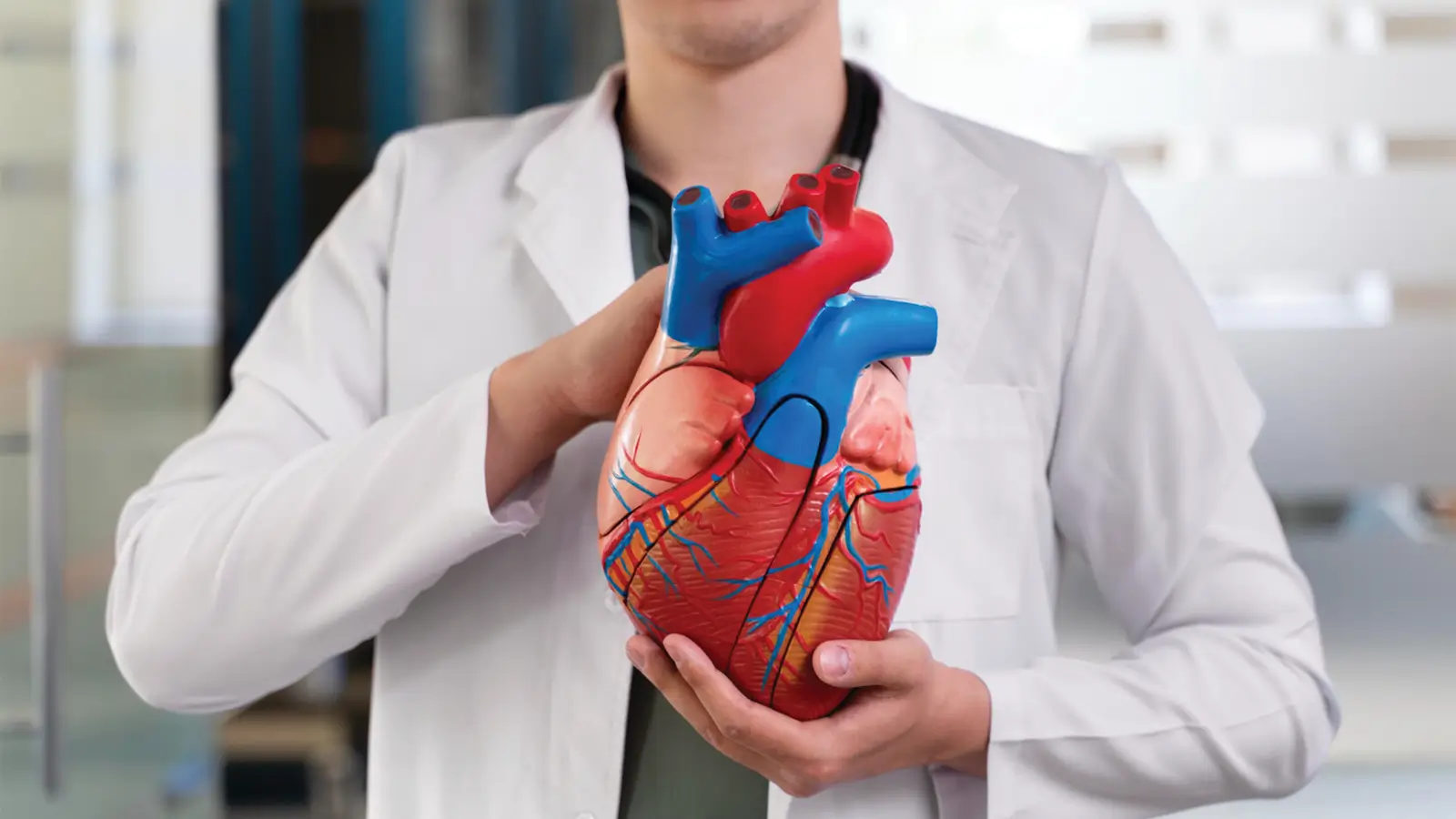
WHAT IS VALVULAR HEART DISEASE?
The four valves of the heart – mitral, tricuspid, aortic, and pulmonary – control one-way blood flow between the heart and the rest of the body, ensuring oxygenated and deoxygenated blood don’t mix. A narrowed or leaky cardiac valve disturbs this regulated blood flow, hence increasing pressure on the heart to work harder.
UNDERSTANDING THE FOUR HEART VALVES
Mitral Valve: Regulates the flow of oxygenated blood from the left atrium to the left ventricle.
Tricuspid Valve: Controls blood flow from the right atrium to the right ventricle.
Aortic Valve: Opens to allow oxygen-rich blood to be pumped from the left ventricle to the aorta and the body.
Pulmonary Valve: Regulates the flow of blood from the right ventricle to the lungs.
SYMPTOMS OF VALVULAR HEART DISEASE
Symptoms of heart valve disease vary depending on which valve is affected and the severity of narrowing or obstruction. Experiencing one or more symptoms does not confirm VHD; a thorough clinical evaluation is required for an accurate diagnosis. Common signs may include:
TYPES OF HEART VALVE DEFECTS
WHAT CAUSES VALVULAR HEART DISEASE?
Congenital Heart Defects
Some people are born with structural abnormalities in their heart valves, which can make them more susceptible to developing VHD later in life.
Cardiomyopathy
Cardiomyopathy is a disease of the heart muscle that causes the heart walls to thicken or stiffen. These changes can alter valve structure and function, potentially leading to valve narrowing or blood leakage.
Heart Attack
A heart attack can damage one or more heart valves. Additionally, scarring from a previous heart attack may distort valve shape or interfere with proper opening and closing, resulting in long-term valve-related problems.
Rare Infections
Certain infections, such as rheumatic fever or infective endocarditis, can cause inflammation and damage to the heart valves. Although uncommon, these infections may cause lasting valve deformities, increasing the future risk of VHD.
Ageing
Some valvular defects can be associated with age and lead to degenerative changes in the heart muscle. These changes can gradually impair valve function, making valvular heart disease more common in older adults.
DIAGNOSING HEART VALVE DISEASE
Valvular heart disease needs early and accurate diagnosis to prevent serious heart complications. Dr. Francesco Lo Monaco carefully evaluates your symptoms and suggests tests such as Echocardiography, cardiac MRI, Computed Tomography, and other specialised imaging to assess the heart valves’ structure and function. These tests help identify valve narrowing, leakage, or structural damage with precision.
VALVULAR HEART DISEASE TREATMENT
Dr Lo Monaco personalises treatment for VHD based on the severity of valve damage and overall heart health. As a preventive cardiologist, he focuses first on lifestyle adjustments to relieve symptoms and reduce strain on the heart. When necessary, medication or further treatment options are carefully recommended to manage an acute or advanced valve disease and protect long-term heart health.
FAQs
BOOK A CARDIOLOGY APPOINTMENT ONLINE
If you’ve recently had a specialist heart checkup and feel unsure about the diagnosis or treatment plan, getting a second opinion can provide the clarity you need. Schedule a consultation with Dr. Lo Monaco, an expert private cardiologist in London, or book your heart test/scan today for fast, specialist cardiac care.