
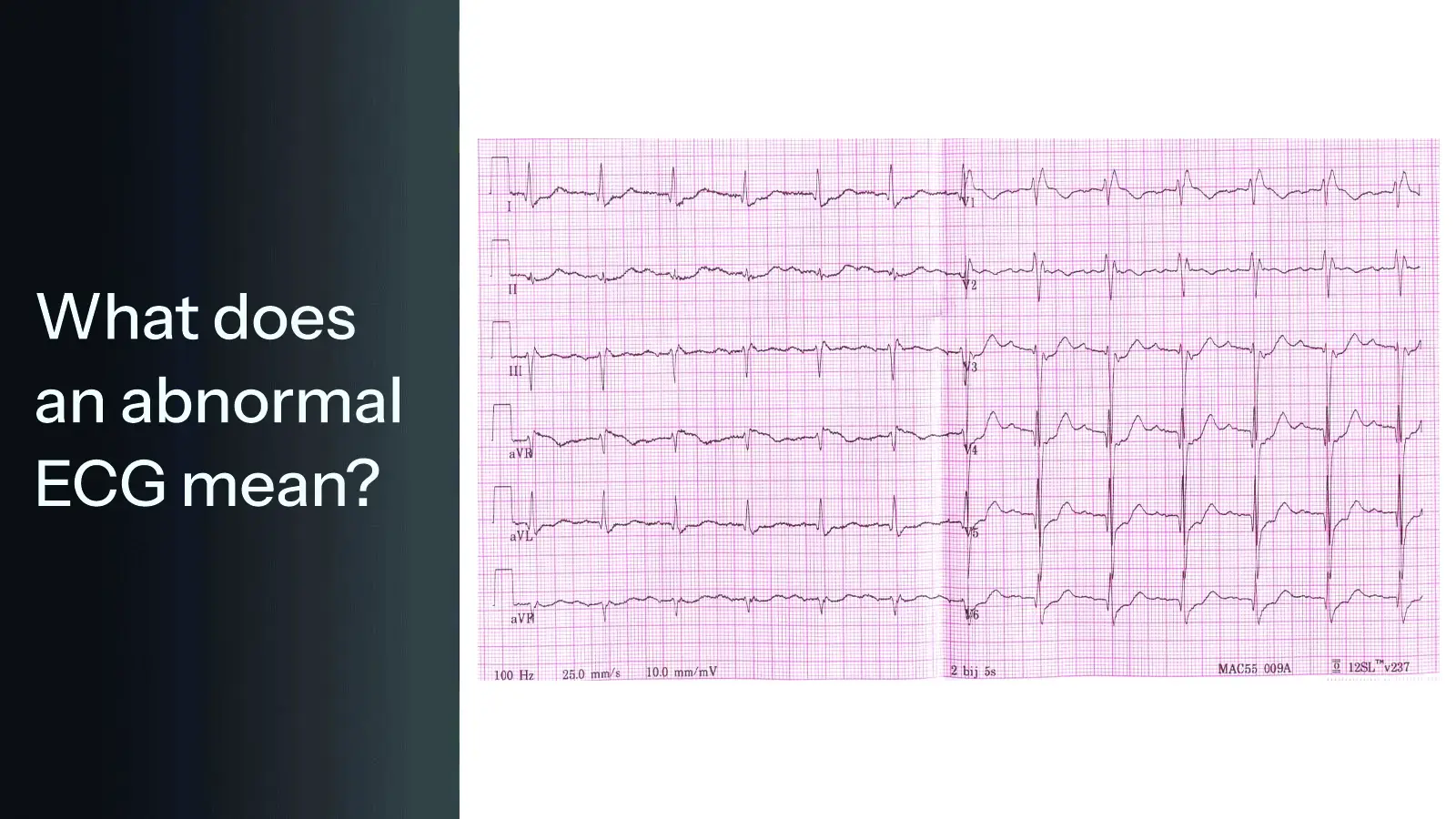
What Does an Abnormal ECG Mean? Causes, Risks, and Next Steps
Have you recently undergone an electrocardiogram and received the abnormal ECG report? It is natural to feel concerned and want to understand what the result means, whether it is serious, and what steps you should take next.
An abnormal ECG is not always a sign of a serious problem. In some cases, it may simply reflect a temporary or mild variation in heart rhythm. However, it can sometimes indicate an underlying heart condition that requires further evaluation to identify and treat the root cause.
This guide explains the abnormal ECG meaning, common causes, and when to seek specialist cardiac assessment.

Don’t Wait Weeks for Answers
Get fast, specialist-led heart checks with same-day or quick appointments
What is an Electrocardiogram (ECG/EKG)?
An electrocardiogram (ECG) is the basic yet vital test that records the electrical activity of your heart. It is commonly used to detect heart conditions, rhythm disorders, and signs of a heart attack. During an ECG test, small electrodes are attached to the chest, arms, and legs to assess heart health. The results are displayed as an ECG graph, which can help identify any abnormalities in the heart’s rhythm or electrical signals.
What Does a Normal ECG Look Like?
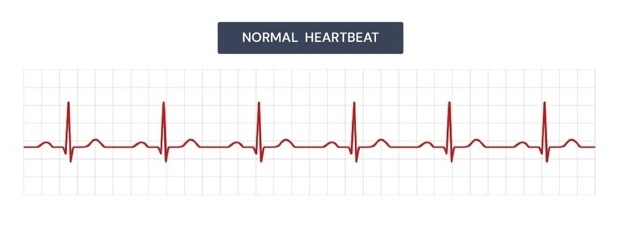
A normal ECG graph typically shows the following:
- Heart Rate: A normal resting heart rate in adults is between 60 and 100 beats per minute.
- Rhythm: A normal ECG shows a regular sinus rhythm without additional or missed beats.
- Intervals: The duration that includes one segment and one or more waves and measures how electrical signals travel through the heart. It includes the PR interval, which represents the time taken for the electrical signal to travel from the atria to the ventricles, and the QT interval reflects the time required for the ventricles to contract and then relax.
- Waveform: A normal ECG waveform includes the P wave, which represents the electrical activity causing atria to contract, the QRS complex, the electrical activity causing ventricular contraction, and the T wave, which indicates the ventricles returning to their relaxed state.
What Does an Abnormal ECG Mean? What Does it Look Like?
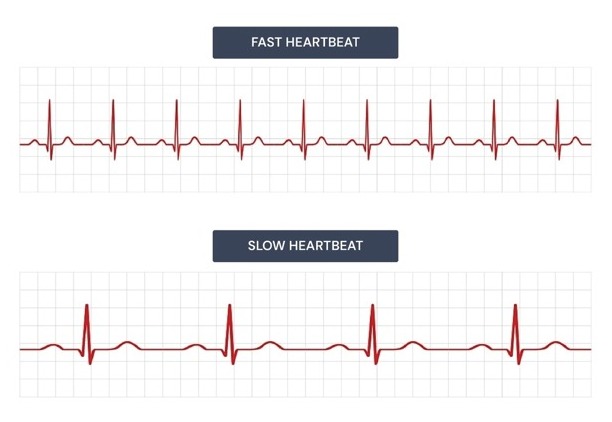
An electrocardiogram is a snapshot of your heart’s electrical activity recorded at a certain time. If the software records any deviation from normal heart rate, rhythm, waveform, or intervals, the report may be flagged as ‘abnormal EKG’. These abnormalities may appear in:
- Heart Rate: Too fast or too slow compared to the normal range.
- Intervals: A prolonged PR or QT interval may indicate conduction or ventricular issues.
- Heart Rhythm: Irregular rhythms, extra beats, or long pauses.
- Waveform: Changes in signal patterns suggesting altered electrical activity.
Learn More: How to Read an EKG Report?
Why an EKG Gets Flagged When You Feel Fine?
Receiving an ECG report with values or patterns outside the normal range does not always mean you have a serious heart condition. In many cases, minor ECG abnormalities can be temporary, harmless, or related to technical factors during the test itself. Some ECG changes may also occur due to normal physical variations between individuals.
Here are some common reasons why an ECG report may appear abnormal even when you feel well:
- Incorrect Electrode Placement: If the electrodes are not positioned correctly on the skin, the ECG graph may appear abnormal.
- Recording Artefacts: Sweating, body movement, or poor electrode contact can interfere with the recording and produce misleading results.
- Software Interpretation Errors: ECG machines may sometimes incorrectly flag patterns as abnormal; therefore, a cardiologist review must be needed to avoid misinterpretation.
- Normal Individual Variation: Factors such as age, body build, fitness level, or athletic training can also affect ECG readings.
Common Findings in Abnormal EKG and Their Possible Meaning
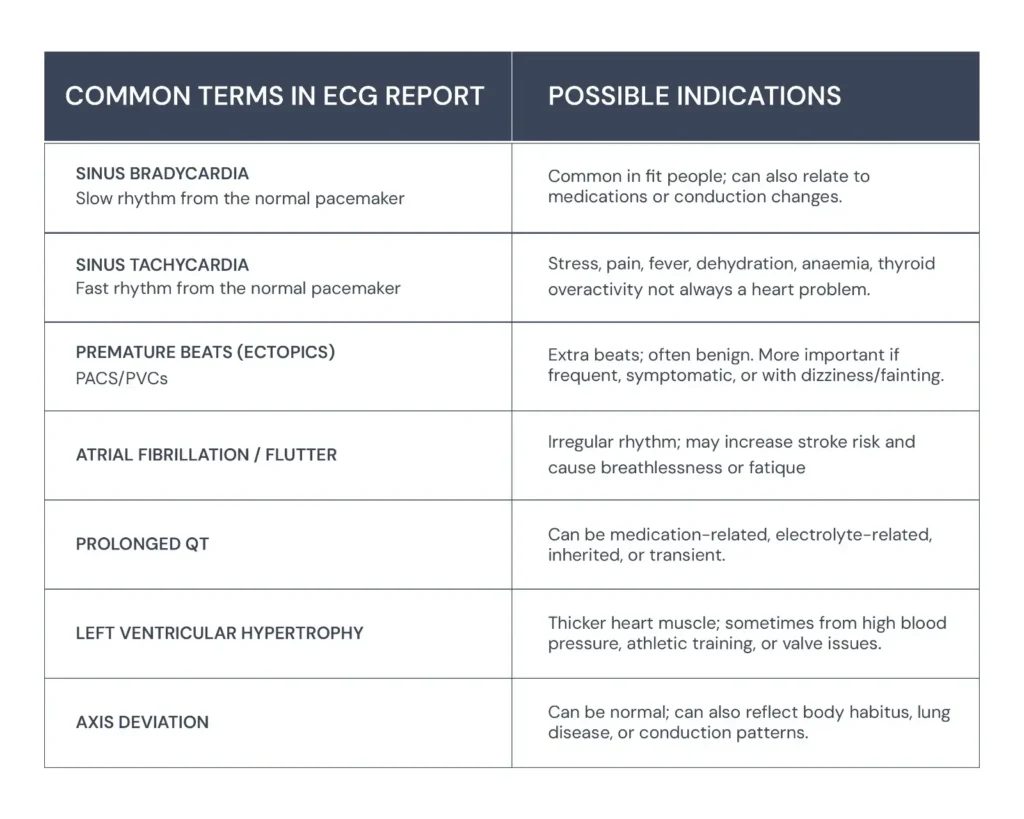
As mentioned earlier, an abnormal electrocardiogram result does not automatically mean there is a serious problem with your heart. Instead, it suggests that further evaluation may be needed to understand the cause better. Your doctor may recommend additional tests based on your symptoms, medical history, and ECG findings. An abnormal ECG usually requires attention if it is accompanied by symptoms such as palpitations, chest pain, breathlessness, dizziness, or fainting.
Here are some common terms seen in ECG reports and their possible meanings:
What to Do Next?
An electrocardiogram (ECG) is a first-line heart test that provides essential information about whether further evaluation or urgent follow-up is required. It helps identify the next appropriate steps after an ECG, particularly if you are experiencing symptoms. Your doctor will decide the next course of action based on your symptoms, physical examination, and family history. In some cases, one or more additional cardiac tests may be recommended.
Difference Between Electrocardiogram and Echocardiogram
Tests That Can Clarify the Reason for Abnormal ECG Findings
Holter Monitoring
Holter monitoring continuously records your heart rhythm over 24-72 hours or even longer to detect issues that usually appear at different times of the day. It may be recommended if you have symptoms such as palpitations, dizziness, or ectopic beats.
Echocardiogram
If ECG findings suggest conduction abnormalities or if you experience symptoms such as breathlessness or swelling, an echocardiogram may be recommended. This test assesses the structure and function of the heart, including valves, chambers, and pumping efficiency.
Advanced Cardiac Imaging
In some cases, further tests such as cardiac MRI or CT scan may be recommended depending on your symptoms and overall clinical assessment.
Conclusion
An abnormal ECG can be distressing at first glance, but in many cases, it does not indicate a serious problem. It simply highlights that the heart’s electrical activity may need a closer look. If you have received an abnormal ECG or are experiencing symptoms such as chest discomfort, palpitations, or breathlessness, a specialist review is recommended.
If you’re looking for a private ECG in London or need to discuss your test results, you can book your appointment with Dr Francesco Lo Monaco, the UK’s leading heart specialist. You will get a detailed EKG interpretation and personalised guidance through the next steps tailored to your specific needs.
Disclaimer
The information provided in this blog is for general information and educational purposes only. The content is not intended to be a substitute for professional medical advice, diagnosis, or treatment. Always seek the advice of your GP or a qualified medical professional regarding any medical condition. If you are experiencing a medical emergency, please contact emergency services immediately.