
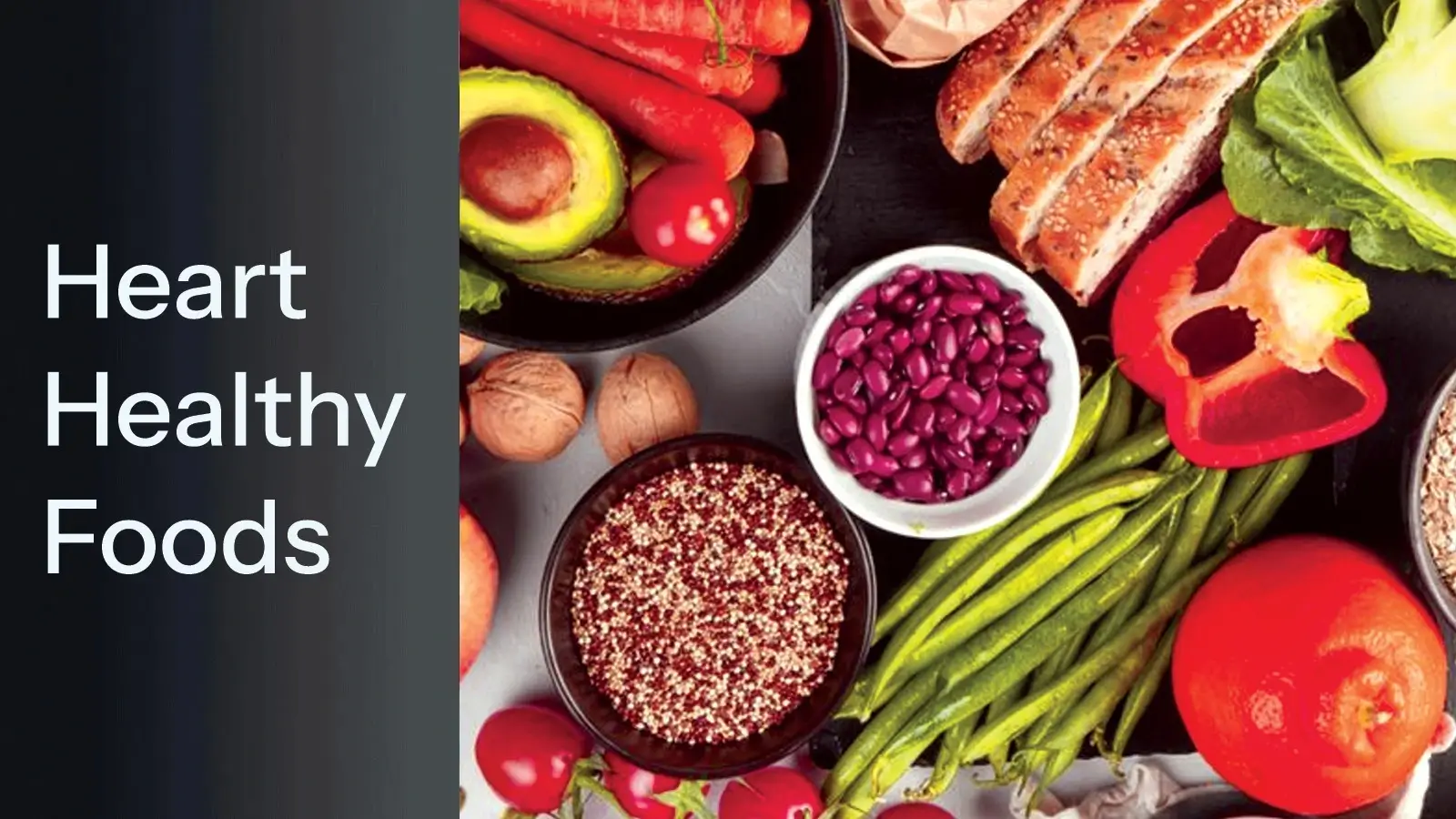
Heart Healthy Foods: A Guide to Improve Cardiovascular Health
According to the British Heart Foundation, heart and circulatory diseases affect more than 7.6 million people across the UK, and CVD remains one of the leading causes of death in the UK. Diet plays a direct role in managing and improving your cardiac health. The food on your plate every day influences your cholesterol, blood pressure, and inflammation levels – the three main drivers of heart disease risk.
As Dr. Francesco Lo Monaco, a preventive cardiologist, recently shared: ‘As a preventive cardiologist, I share what heart-healthy foods I eat every day. They are not superfoods, but they are healthy foods linked with better metabolic health, healthier blood vessels, and lower long-term inflammation when included regularly as part of a balanced diet.’
In this guide, you will discover exactly which heart-healthy foods to add to your diet, the right portion size, and the science behind why each one protects your heart.
What are Heart-Healthy Foods?
A heart-healthy food refers to a nutrient-rich, well-balanced diet comprising healthy fats, proteins, vitamins, fibre, and antioxidants. Taking these foods in a proper portion size can lower your risk of cardiovascular diseases, heart attacks, and strokes.
Why Does a Heart-Healthy Diet Matter for Your Cardiovascular Wellbeing?
What you eat has a direct effect on your cardiovascular health. For example, diets rich in saturated fats and excess salt can raise LDL (bad) cholesterol and blood pressure over time – both are the leading causes of coronary artery disease and hypertension. The right choice of food can help reverse this effect. Fibre helps reduce the absorption of LDL cholesterol in the bloodstream, while healthy fats and antioxidants support healthy blood vessels and help lower inflammation, protecting your heart over the long term.
List of Heart-Healthy Foods: Recommended by Cardiologist, Dr Francesco Lo Monaco
Here are 7 everyday foods Dr Francesco Lo Monaco, heart specialist in London, recommends to support heart health, reduce inflammation, and keep arteries healthier for longer.
Leafy Greens (Spinach and Kale)
Rich in nitrates and potassium, leafy greens support healthy circulation and help keep blood pressure in a normal range. Try to add a serving 2-3 times a week, whether stirring into a curry, blending into a smoothie, or simply sauteing as a side.
Beans and Lentils
High in soluble fibre, legumes help support steadier blood sugar levels and contribute to a healthy gut-heart connection. This fibre binds to cholesterol in the digestive tract, helping the body eliminate it rather than absorbing it.
Hemp and Chia Seeds
An easy way to add plant-based omega-3 fatty acids to your meals, supporting healthy circulation and helping keep inflammation in check. They’re also a good source of fibre and magnesium, both of which play a supporting role in maintaining a healthy blood pressure.
Soy Foods
Soy protein may help maintain a healthier cholesterol balance, particularly for women experiencing the hormonal changes of menopause, when heart disease risk tends to rise.
Avocados
Rich in potassium and plant sterols, avocados can support steadier blood pressure patterns. The potassium helps balance out the effects of sodium, while the healthy monounsaturated fats can help improve cholesterol levels when used in place of butter or other saturated fats.
Almonds
A handful of almonds a day may help reduce cholesterol absorption and reduce inflammation. The combination of healthy fats, fibre, and plant compounds called polyphenols helps support healthier arteries over time.
Oats
A great source of beta-glucan fibre, oats can help lower LDL cholesterol when added in a regular diet plan.
“A bowl of oats tends to raise blood glucose more slowly, cause smaller insulin spikes, keep you full for longer (often helping people naturally eat fewer calories through the morning), support healthier metabolic function, and provide unique antioxidants (avenanthramides) that may help blood vessels and reduce inflammation,” says Dr Francesco Lo Monaco.
Tips to Choose the Right Cardiologist
Heart Healthy Foods Chart
| Food Group | Examples | Heart Benefits |
| Oily fish | Salmon, mackerel, sardines | Lowers triglycerides and reduces clotting risk |
| Wholegrains | Oats, brown rice, quinoa | Lowers LDL cholesterol |
| Legumes | Beans, lentils, chickpeas | Supports vascular health |
| Fruit and vegetables | Berries, leafy greens, citrus | Supports healthy blood pressure and minimises damage to arteries |
| Nuts and seeds | Almonds, walnuts, flaxseed | Protects cardiovascular health |
| Calcium-rich Foods | Dairy, tofu, leafy greens | Lowers BP and regulates the heart muscle |
| Herbs and Spices | Ginger, chilli, cinnamon, oregano | Help reduce inflammation and protect the cardiovascular system. |
Foods That Put Extra Strain on Your Heart
Foods high in excess sodium, unhealthy fats, and added sugar can put extra strain on your heart. They can raise blood pressure, trigger inflammation, and contribute to plaque buildup in your arteries. Below is the list of items that you should avoid or consume less of to protect your heart health.
Saturated Fats
Foods high in saturated fats can raise your LDL cholesterol, increasing your risk of heart attack and stroke over time. Replacing animal fats with plant-based oils like olive oil and vegetable oil can help reduce the risk of cardiovascular complications.
Processed Meats
Processed meats such as sausages, bacon, and deli slices have high content of sodium and saturated fats. Regular consumption can raise your blood pressure and increase the risk of coronary artery disease. Fresh poultry, fish, or plant-based proteins are good alternatives.
Full-fat Dairy
Butter, cream, and hard cheeses are concentrated sources of saturated fat. Choosing low-fat or fat-free milk, yogurt, and cheese can help you cut back without giving up dairy entirely.
Fried and Fast Food
Foods fried in reused or hydrogenated oils often contain trans fats, which raise bad cholesterol and lower good cholesterol at the same time – a combination that’s especially hard on your heart.
Pastries, Cakes, and Cookies
These treats often combine saturated fat with added sugar, contributing to weight gain, inflammation, and higher triglyceride levels.
Packed Foods and Sauces
Packaged foods can carry surprisingly high amounts of hidden sodium, even when they don’t taste salty. Checking nutrition labels for sodium content is one of the easiest ways to catch this.
When Diet Alone Isn’t Enough?
A heart-friendly diet can help reduce your cardiovascular disease risk; however, it is not a substitute for a proper cardiac assessment, especially if you are experiencing symptoms such as chest discomfort, palpitations, or breathlessness. Early investigation can identify and manage the issues before they progress into long-term complications.
Through comprehensive diagnostics, including electrocardiogram, echocardiogram, and exercise tolerance test, Dr Lo Monaco investigates your underlying cardiovascular problems, provides tailored treatment, and suggests a personalised nutrition plan, allowing diet to support, rather than replace, the care you receive.
Also Read: What does a Cardiologist do?
Conclusion
Heart-healthy eating isn’t about strict rules or short-term diets – it’s about consistent, everyday habits. Meals that include oily fish, wholegrains, legumes, and colourful vegetables in the right portions play an important role in protecting your heart health.
Undoubtedly, diet plays a vital role in heart health, but it works best alongside regular heart health monitoring. If you are experiencing any unusual cardiac signs, don’t wait – book an appointment with Dr Francesco Lo Monaco in London. An online consultation facility is also available across the UK.
Disclaimer
The information provided in this blog is for general information and educational purposes only. The content is not intended to be a substitute for professional medical advice, diagnosis, or treatment. Always seek the advice of your GP or a qualified medical professional regarding any medical condition. If you are experiencing a medical emergency, please contact emergency services immediately.