
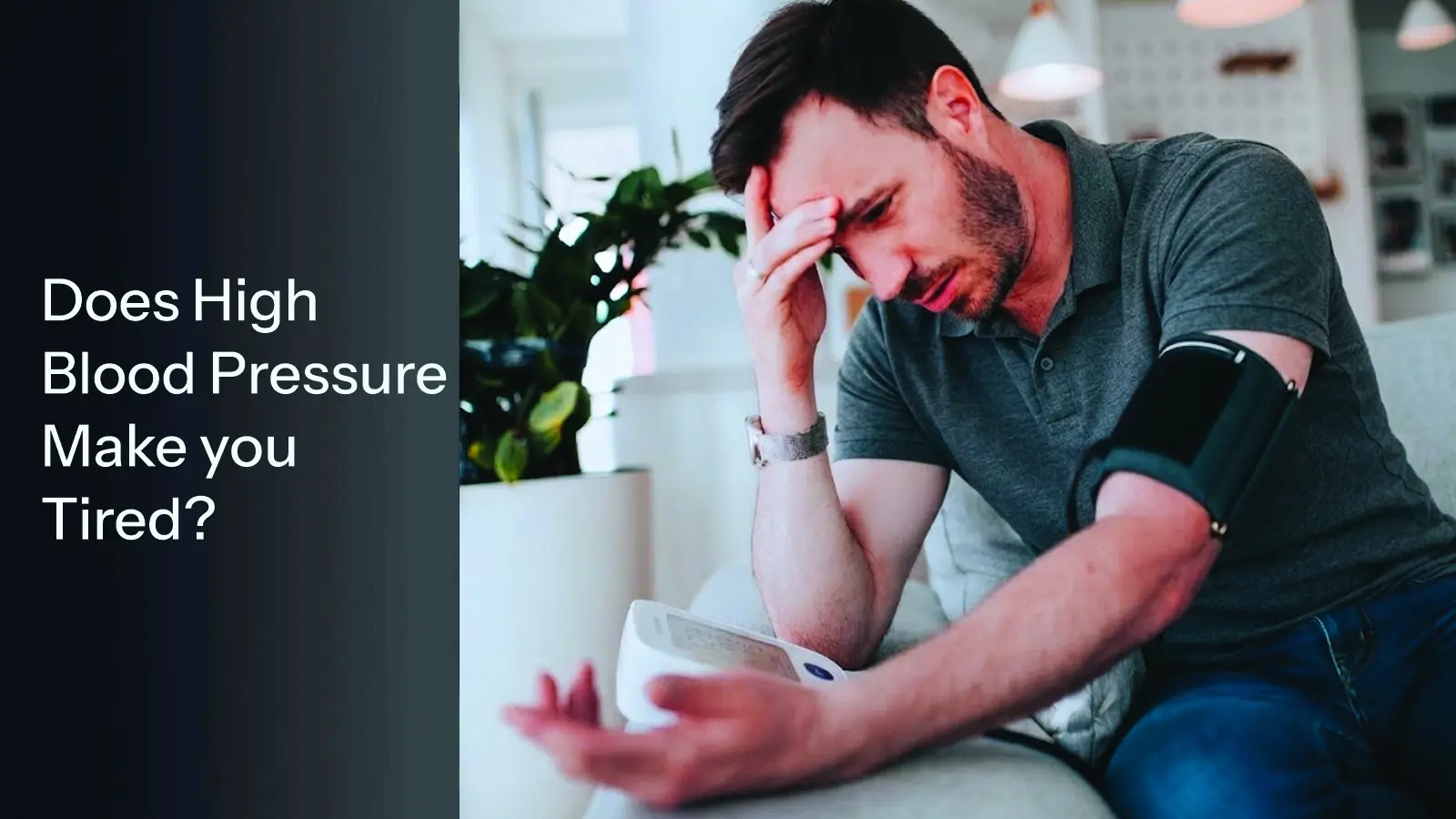
Does High Blood Pressure Make You Tired?
Do you know, around 4.1 million people in England are living with undiagnosed hypertension without visible signs – the reason why it is known as a ‘silent killer’. Patients with elevated blood pressure commonly complain of dizziness, headaches, low energy, and fatigue-like symptoms, but they can vary from person to person. Tiredness may not have a direct link with high BP, but can be the result of associated exertion and damage to the heart or kidneys. Besides that, cardiovascular stress, reduced blood circulation, and complications can make you feel exhausted.
Let’s have detailed insights about the connection between high blood pressure and tiredness!
What’s Considered High Blood Pressure?
“We’ve been looking at blood pressure the wrong way, and it’s putting people at risk. Most people don’t even know what the 2 numbers (systolic and diastolic) mean in a BP reading, yet they rely on them to judge their heart health, says preventive cardiologist Dr Francesco Lo Monaco”.
He explained that both numbers are equally important in assessing your heart health and potential cardiovascular risks. Here’s what systolic and diastolic BP mean:
Systolic BP: Pressure when the heart beats – a high systolic means your arteries are under strain with every heartbeat.
Diastolic BP: Pressure when the heart rests – a high diastolic means they never get a moment of rest.
According to the NHS UK, you’re usually considered to have high blood pressure if your reading is:
- 140/90 or higher in a clinical setting
- 135/85 or higher when checked at home
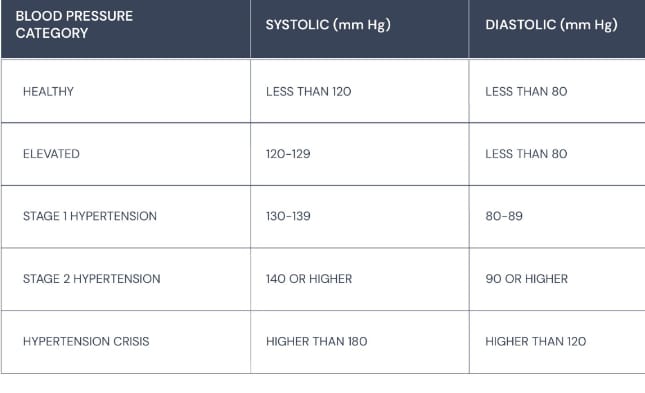
Read more: Stages of Hypertension and NICE guidelines
Common Symptoms of High Blood Pressure
High blood pressure usually doesn’t show any visible signs until it becomes quite serious. That’s why home blood pressure monitoring is often recommended for those who experience occasional spikes in hypertension.
Some commonly observed symptoms of high blood pressure include:
- Frequent, severe Headaches
- Nausea
- Dizziness or lightheadedness
- Blurred vision
- Weakness
- Breathlessness
- Nosebleeds
- Irregular Heartbeats
- Buzzing in the ears
- Chest pain or pressure
Learn More About Heart-Healthy Diet
Does High Blood Pressure Make You Tired? Is There a Connection?
Feeling constantly tired could be more than just a busy schedule; it might be linked to your blood pressure. Hypertension can leave you feeling lethargic or fatigued, though these symptoms can also be due to other underlying conditions. If left untreated for an extended period, elevated blood pressure can lead to serious health complications, including heart attack, stroke, or chronic kidney disease.
Beyond simply asking whether hypertension can make you feel fatigued, it’s worth understanding which specific conditions triggered by high blood pressure can cause extreme tiredness. High BP is far more likely to cause noticeable weakness or fatigue when it exists alongside another health condition.
Below, we mentioned the conditions that can leave you feeling more exhausted than high blood pressure alone.
Kidney Damage
Long-term, uncontrolled blood pressure can damage the tiny blood vessels in your kidneys, disrupting their normal filtration process. Over time, this damage can worsen, leading to symptoms such as fever, extreme fatigue, weakness, and even kidney failure in severe cases.
Coronary Artery Disease
High blood pressure can damage your arteries or cause them to narrow over time. This condition, known as coronary artery disease, can result in restricted blood flow, chest pain, breathlessness, fatigue, and irregular heart rhythm.
Peripheral Artery Disease
Uncontrolled high blood pressure can lead to peripheral artery disease, a condition in which fatty deposits build up in the arteries and restrict blood flow to the leg muscles. It can cause extreme tiredness, calf pain, and tingling or numbness in the lower legs or feet.
Heart Failure
When blood pressure rises, your heart has to work harder to pump blood efficiently. Over time, this constant strain can cause the heart to enlarge, which requires more oxygen. When the heart can’t get an adequate oxygen supply due to poor blood flow, this ongoing strain can eventually lead to heart failure.
Sleep Apnoea
When something is wrong with our health, disrupted sleep is often one of the first signs. It is especially relevant if you already have a sleep disorder such as sleep apnoea. While fatigue can be a symptom of high blood pressure, poor sleep may also be a contributing factor. If you have high blood pressure, poor sleep can make your fatigue even worse.
Prescribed Medicines
In some cases, the medications used to manage hypertension can themselves cause tiredness and lethargy. If you suspect your medication is affecting your energy levels, speak to your pharmacist or GP. They will suggest alternatives to help control your blood pressure without leaving you feeling drained and low on energy.
Other Possible Reasons Behind Your Fatigue
The most common causes of tiredness are thought to be a tough routine and lack of proper rest. But multiple other reasons can cause tiredness and low energy. These are:
- Anaemia
- Vitamin deficiency, especially vit. D deficiency
- Chronic illnesses like multiple sclerosis, postural orthostatic tachycardia syndrome (POTS), HIV/AIDS.
- Autoimmune diseases like lupus and rheumatoid arthritis.
- Sleep apnoea
- Depression or anxiety
- Thyroid disorder
In simple words, we can say that high blood pressure may not always cause fatigue, but your fatigue could be caused by some other health condition that is causing your high blood pressure to rise.
When Fatigue Shouldn’t be Ignored?
If you feel persistent tiredness and low energy, especially when it doesn’t improve with rest or lifestyle changes, it is important to discuss it with your doctor. Sometimes, simple lifestyle changes can improve your energy level, whereas some signs can be an indication of serious health concerns that must be identified earlier to prevent complications.
Conclusion
Fatigue is not a direct sign of high blood pressure; instead, there’s an indirect connection between the two. Sometimes, hypertension-induced organ damage can make you feel tired all the time. Moreover, lack of quality sleep, restlessness, and certain lifestyle factors can also contribute to your exhaustion.
If you’ve been feeling unusually tired and haven’t been able to pinpoint why, don’t wait for symptoms to worsen. Book a consultation with Dr. Francesco Lo Monaco, the UK’s leading preventive cardiologist, to get a thorough evaluation of your heart health and personalised lifestyle guidance to manage your blood pressure before it leads to more serious complications. Same-day or next-day online consultations are also available for your convenience.
Disclaimer
The information provided in this blog is for general information and educational purposes only. The content is not intended to be a substitute for professional medical advice, diagnosis, or treatment. Always seek the advice of your GP or a qualified medical professional regarding any medical condition. If you are experiencing a medical emergency, please contact emergency services immediately.