
When to See a Cardiologist? Signs Your Heart Needs Attention
Do you know that around 8 million people in the UK are living with cardiovascular disease? According to the British Heart Foundation, cardiovascular disease causes around 170,000 deaths every year in the United Kingdom. This equates to approximately 460 deaths every day, or one every three minutes.
Despite this significant threat to cardiovascular health, heart-related symptoms are often overlooked. People often ignore common warning signs, considering them related to anxiety, fatigue, digestive issues, or muscular strain.
Seeing a cardiologist should not be limited to symptoms. It should also be a part of a proactive approach to heart health and disease prevention. Whether you are experiencing symptoms or simply want to take a preventive approach to your cardiovascular health, consulting a cardiac specialist can play an important role in identifying potential problems early and maintaining your heart health.
When to See a Cardiologist? Common Symptoms and Risk Factors You Shouldn’t Ignore
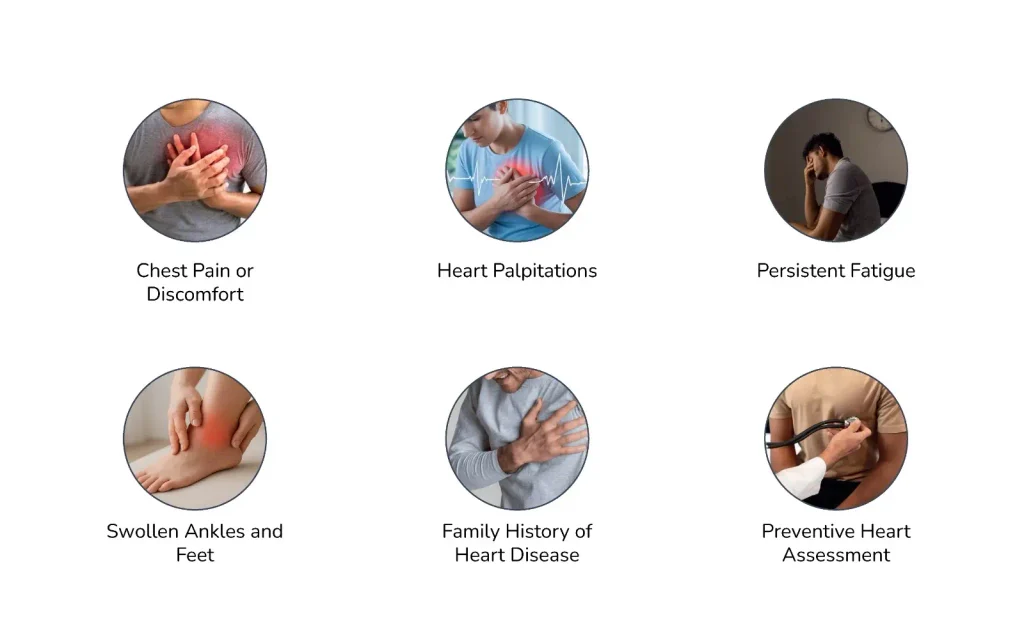
Many people overlook potential signs of heart problems and delay seeking cardiologist advice, assuming that these symptoms are related to everyday stress, tiredness or workload. While some symptoms may improve over time, others can persist or worsen, making medical assessment essential.
Here, we mention some common signs and cardiovascular risk factors that you should not ignore. Recognising them and seeking specialist advice when appropriate can help identify potential heart problems and protect your long-term cardiovascular health.
Chest Pain
Although chest pain can have several causes, discomfort, tightness, or pressure in the chest, particularly during physical activity, may indicate an underlying heart problem. It can occur when your heart doesn’t get enough oxygen-rich blood, causing pain or pressure in the chest area. It can also be a warning sign of a heart attack, which is a life-threatening medical emergency. A cardiologist can assess your symptoms, review your medical history and recommend certain cardiac tests to identify the underlying cause.
Note: If you experience sudden or persistent chest pain, seek emergency medical attention rather than waiting for a routine appointment.
Hypertension (High Blood Pressure)
Persistently high blood pressure increases strain on the walls of your arteries and makes your heart work harder to pump blood around the body. If left unmanaged, hypertension can increase the risk of cardiovascular complications, including coronary artery disease, heart failure and stroke.
If your blood pressure readings remain consistently high, seeking specialist advice can help identify possible contributing factors and determine the appropriate treatment option.
Your cardiologist may suggest 24-hour blood pressure monitoring to identify the hidden patterns of your blood pressure or suggest lifestyle modifications and medicines to control hypertension and reduce long-term cardiovascular risks.
Book 24-hour Blood Pressure Monitor
Disturbed Cholesterol Levels
Abnormal cholesterol levels, particularly high levels of LDL (bad cholesterol) and low levels of HDL (good cholesterol), can increase your risk of heart disease. Excess LDL cholesterol can accumulate in the artery walls, leading to plaque formation (atherosclerosis). Over time, it can narrow the arteries and restrict blood flow to the heart.
A cardiac specialist can assess your cholesterol profile alongside other cardiovascular risk factors and recommend an appropriate management plan.
Palpitations, Dizziness, or Breathlessness
Experiencing a racing, pounding or irregular heartbeat, unexplained breathlessness during mild physical activity, or recurring episodes of dizziness may indicate an underlying cardiovascular problem. Although these symptoms can also have non-cardiac causes, frequent, persistent or unexplained episodes should not be ignored.
A specialist heart checkup can help identify the underlying cause. Depending on your symptoms, your cardiologist may recommend an ECG, Holter monitoring or an echocardiogram to evaluate your heart rhythm and overall cardiac function.
Smoking and Vaping
Smoking and vaping damage blood vessels, raise blood pressure, and increase the risk of coronary artery disease. If you are a smoker or vape regularly, a cardiovascular assessment can help identify potential risks and determine whether further tests are needed.
Chronic Kidney Disease
Chronic kidney disease increases the risk of high blood pressure, heart disease and other cardiovascular complications. If you have kidney disease, regular monitoring of your heart health is important, particularly if you also have high blood pressure or diabetes.
Peripheral Artery Disease
Peripheral artery disease (PAD) occurs when arteries become narrowed and reduce blood flow to the limbs, usually the legs. It is often linked to atherosclerosis and can indicate an increased risk of coronary artery disease and stroke. A cardiac assessment can help evaluate your overall cardiovascular risk.
Family History of Heart Disease
If you have a family history of cardiovascular disease, you may have a higher risk of developing heart problems, particularly at a young age. Preventive heart screening can help identify risk factors early. A heart specialist may recommend appropriate tests and lifestyle changes based on your family history and individual risks.
What Happens at a Cardiology Appointment?
After initial consultation and review of your medical and family history, your cardiologist may recommend certain cardiac tests to evaluate your heart health. Common diagnostics include an electrocardiogram, a heart echo, 24hr blood pressure monitoring, or ambulatory ECG monitoring. Depending on your symptoms and concerns, you may be advised to undergo advanced imaging and scans such as a cardiac CT scan or MRI. Once the examination and test results have been reviewed, your specialist will discuss the findings and recommend appropriate next steps. These may include lifestyle changes, medication or further treatment, depending on your condition.
Also Read: What Does a Cardiologist Do?
Should I See a Cardiologist Without Symptoms?
Seeing a cardiologist can be important even if you have no noticeable symptoms, particularly if you are above 40 years or have existing risk factors.
“You may feel fit, eat well and exercise regularly, yet still have an underlying heart condition. Feeling healthy does not always mean your cardiovascular risk is low, says Dr Francesco Lo Monaco, a leading preventive cardiologist in the UK.”
He also highlights that the real danger is ‘delay’- waiting for the issues to resolve on their own, assuming they are not serious, or being uncertain about when to seek specialist advice. Most importantly, people often overlook the symptoms that deserve immediate attention.
A regular heart checkup is particularly important if you have a family history of heart disease, diabetes, chronic kidney disease, obesity, or other risk factors.
Learn About Preventive Cardiology
Bottom Line
If you’re experiencing any symptoms or want a preventive heart health check, book a cardiologist appointment with Dr Francesco Lo Monaco to get insights into your cardiac health. Timely diagnosis and appropriate treatment help protect your cardiovascular wellness and prevent complications.
Disclaimer
The information provided in this blog is for general information and educational purposes only. The content is not intended to be a substitute for professional medical advice, diagnosis, or treatment. Always seek the advice of your GP or a qualified medical professional regarding any medical condition. If you are experiencing a medical emergency, please contact emergency services immediately.