
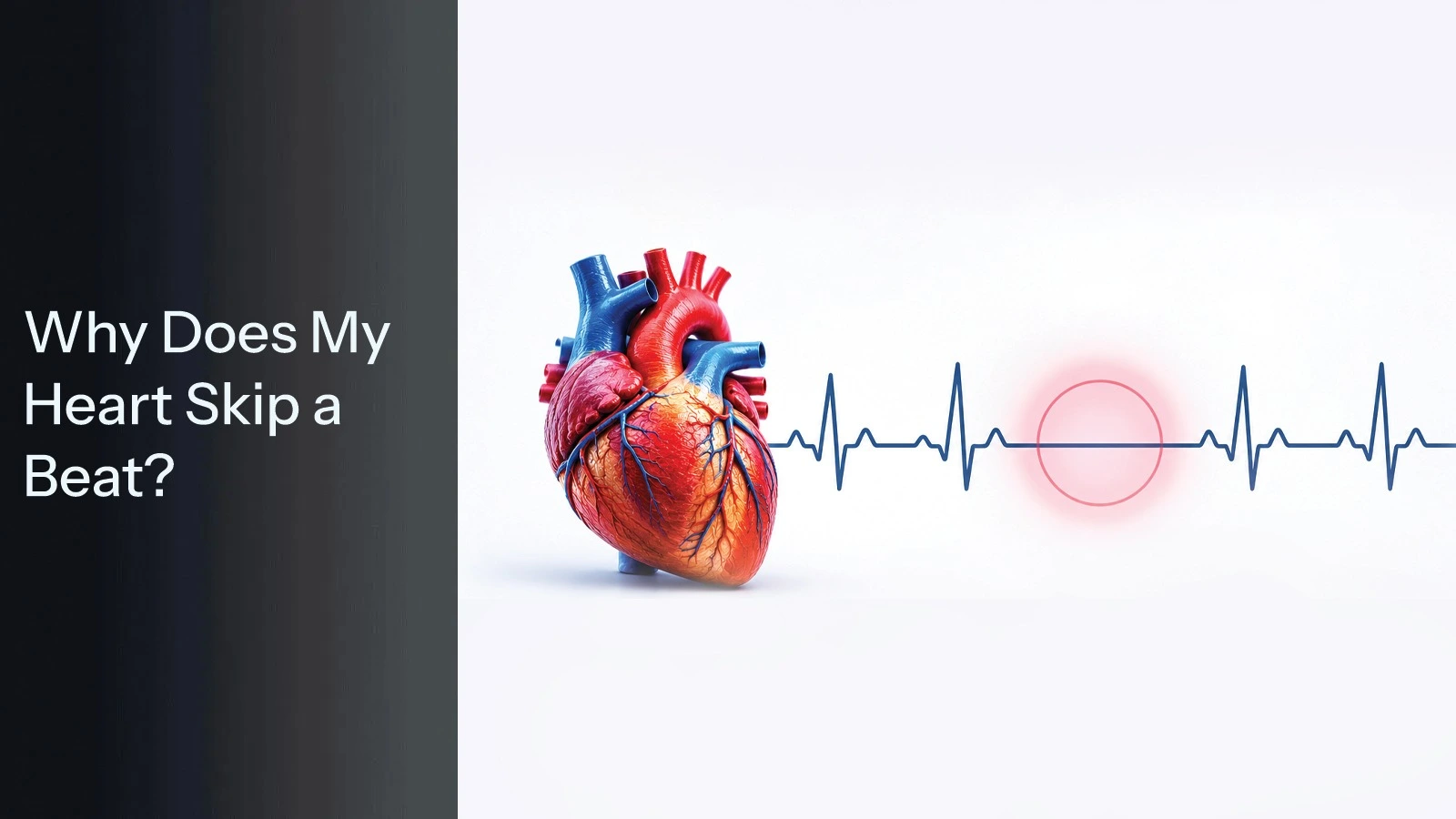
Why Does My Heart Skip a Beat? Common Reasons and Triggers
Have you ever felt that your heart pounds or skips a beat, often when you get excited, scared, or face an unexpected situation? This unusual feeling is medically known as heart palpitations. Although it is very common and nothing to worry about, frequent sensations cause stress and people automatically assume they might have a cardiac issue. Knowing the underlying cause can help determine whether it is normal or something concerning. Here, we explain common reasons and triggers that cause your heart to skip a beat and when you should consult a cardiologist.
What is a Skipped Heartbeat?
The heart normally beats in a steady, coordinated rhythm. Electrical signals travel from the upper chambers (atria) to the lower chambers (ventricles), helping the heart pump blood efficiently to the rest of the body. When these electrical signals are disrupted, the heartbeat may feel irregular, as though your heart is pounding, fluttering or skipping a beat. This sensation is often described as a palpitation.
What Does a Skipped Heartbeat Feel Like?
When your heart skips a beat, you may feel:
- Pounding or fluttering sensation in your chest.
- Brief pause in your heartbeat followed by a strong beat.
When the Rhythm Shifts: What Does a Cardiologist Say?
Your heart beats approximately 100,000 times a day, usually without you noticing each beat. However, when the heart’s electrical signals become disrupted, you may notice changes in its rhythm. Arrhythmias cover a wide range of conditions, from occasional premature beats and harmless palpitations to atrial fibrillation, which is a major risk factor for stroke.
A standard ECG records the heart’s electrical activity over a short period, so it may not detect an irregular heartbeat that occurs occasionally. In these cases, 24-hour Holter monitoring or longer-term heart rhythm monitoring may help identify abnormalities that a standard ECG misses.
Dr Francesco Lo Monaco suggests getting a comprehensive cardiac checkup if you experience a racing, fluttering or skipping sensation, particularly alongside breathlessness or dizziness.
Why Does Your Heart Skip a Beat? Common Reasons and Triggers
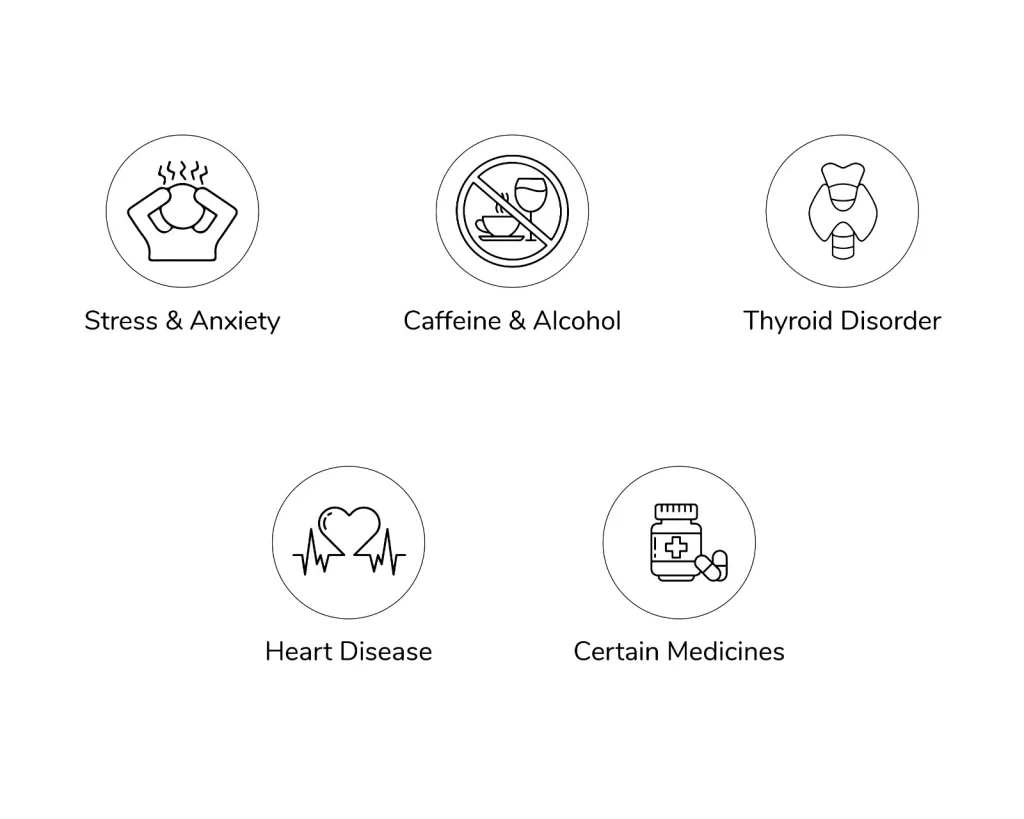
Stress & Anxiety
Stress and anxiety can trigger irregular heartbeats or make existing palpitations more noticeable. Emotional changes, nervousness and prolonged mental stress can stimulate the nervous system, increasing your heart rate and sometimes causing extra, missed, or premature beats. Managing stress through breathing exercises, meditation, yoga and other relaxation techniques may help reduce symptoms. However, frequent palpitations should not automatically be associated with stress.
Caffeine & Alcohol
Caffeine and alcohol can trigger palpitations or worsen existing heart rhythm disturbances in some people. Sensitivity varies, so even moderate consumption may cause noticeable symptoms. Identifying your triggers and adjusting your caffeine and alcohol intake can help reduce episodes of irregular heartbeats.
Thyroid Disorder
Hyperthyroidism, or an overactive thyroid, is another possible cause of irregular heart rhythms. Excess thyroid hormone increases the body’s metabolic activity and can make the heart beat faster, leading to palpitations. In some cases, it can also increase the risk of developing atrial fibrillation.
Heart Disease
Palpitations are often caused by non-cardiac issues and are not a serious medical concern. However, sometimes, certain cardiac conditions such as cardiomyopathy, heart valve disease, and coronary artery disease can affect the heart’s electrical activity or normal function, leading to irregular heartbeats.
A cardiologist can assess your symptoms, medical history and risk factors to determine whether further cardiac investigations are needed.
Other Common Triggers
Other factors that may contribute to skipped or irregular heartbeats include:
- Certain medications: Some asthma inhalers, decongestants and other medicines can affect heart rate or rhythm.
- Hormonal changes: Pregnancy, menstruation and perimenopause can contribute to palpitations in some women.
- Dietary factors: Certain foods, particularly highly processed foods, may trigger symptoms in some individuals.
- Dehydration and Electrolyte Imbalance: Affect the balance of potassium, magnesium and sodium in the body, which play an important role in maintaining a normal heart rhythm.
- Poor Sleep: Lack of sleep or disrupted sleeping patterns can affect the nervous system and increase the likelihood of palpitations.
Are Skipped Heartbeats Serious? When to See a Cardiologist
Although missed or irregular heartbeats are not always a sign of a heart condition, frequent episodes should not be ignored, particularly in the following situations:
- You experience frequent or persistent skipped beats.
- You feel chest pain, breathlessness, or dizziness alongside an irregular heart rhythm.
- Your irregular cardiac rhythm doesn’t settle in a short time.
- You have a family history of arrhythmia or a known heart condition.
Note: If you experience chest pain, severe breathlessness, fainting or other severe symptoms alongside palpitations, seek emergency medical attention rather than waiting for a routine cardiology appointment.
How Are Skipped Heartbeats Investigated?
A cardiologist investigates the underlying cause of skipped heartbeats by reviewing your medical and family history, assessing your symptoms and carrying out a physical examination. Depending on your symptoms and clinical findings, one or more cardiac investigations may be recommended.
A standard electrocardiogram (ECG) records the heart’s electrical activity over a short period. However, if skipped beats occur intermittently, a standard ECG may not capture the abnormality.
Extended heart rhythm monitoring using a Holter monitor for 24 hours to 14 days can provide a more detailed picture of your heart’s rhythm and help identify irregularities that a standard ECG may miss.
Other investigations may also be recommended, including:
- Heart Ultrasound
- Exercise Tolerance Test (ETT)
- Blood tests, including Thyroid Function Test and Complete Blood Count (CBC)
Conclusion
Identifying why your heart skips a beat can help you manage and prevent these episodes. Most reasons are harmless and can be caused by some lifestyle factors. However, a comprehensive cardiac assessment is important, particularly if your symptoms accompany chest pain, breathlessness, or dizziness.
If you are experiencing frequent or irregular heartbeats, you can book a private cardiology consultation with Dr Francesco Lo Monaco for a comprehensive assessment of your heart health. You can choose an in-person appointment in London or Richmond, or an online consultation from anywhere in the UK. Dr Lo Monaco will review your symptoms, medical history and relevant test results before advising on any further investigations or treatment.
Disclaimer
The information provided in this blog is for general information and educational purposes only. The content is not intended to be a substitute for professional medical advice, diagnosis, or treatment. Always seek the advice of your GP or a qualified medical professional regarding any medical condition. If you are experiencing a medical emergency, please contact emergency services immediately.