
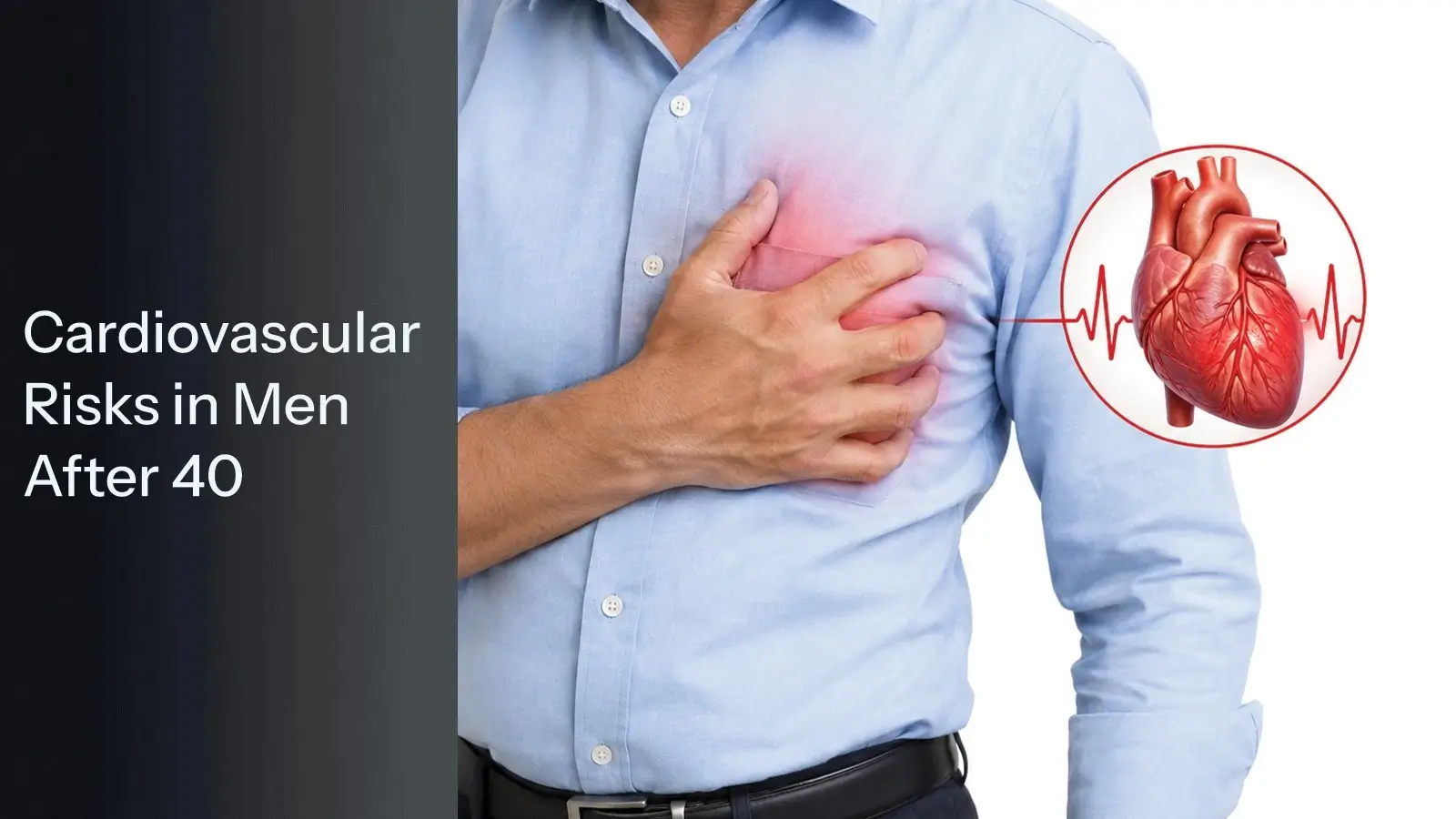
Heart Risks in Men After 40: A UK Guide
Around 8 million people in the UK live with heart and circulatory disease, and the British Heart Foundation expects that number to keep rising over the next 15 years. Men face a higher risk than women, especially after 40, probably due to a combination of biological, behavioral, and lifestyle factors.
While heart disease is often linked with ageing, in fact, it can begin developing decades before symptoms appear. In this blog, we explore common heart risks in men after 40, the contributing factors, and what proactive steps you can take to protect your heart health.
The Invisible Timeline: How Heart Disease Develops
Heart disease doesn’t start with a sudden pain in the chest. As Dr Francesco Lo Monaco puts it in his book Heart Saviour;
“Heart disease does not always begin with chest pain. It builds quietly, often decades before you notice anything.”
- 20s and 30s: A poor diet, smoking, sedentary lifestyle, and ongoing stress can begin to damage the lining of your arteries. You may feel fine when cardiovascular damage has already begun to work.
- 30s and 40s: Fatty deposits can start to build up in your arteries. Your blood test results may look ‘borderline’. This is the best time and most critical phase to act.
- 40s and 50s: Plaque can build up in your arteries, causing them to narrow and stiffen, calcification to occur, and blood pressure and cholesterol may remain above the normal range. This is damage control; the disease is established, but we can slow or stop its progression.
- 50s and beyond: The risk of a heart attack is much higher. You may have atherosclerosis, and you can experience heart-related symptoms, such as chest pain, persistent fatigue, or breathlessness.
Dr Lo Monaco points out that most people wait too long to get a proper heart check. Taking the right steps in your 30s or 40s, or even earlier, can prevent most of this damage.
Why Heart Health Matters More for Men After 40?
In your 20s and 30s, your body usually feels healthy and active. It handles unhealthy diet, stress, obesity, and lifestyle changes more easily. However, the 40s are the turning point where paying close attention to your cardiovascular and overall health is crucial.
Uncontrolled blood pressure, raised cholesterol levels, increased blood sugar, and visceral fat are all the concerning factors men usually face above 40 years of age.
Men are more at risk of developing cardiovascular disease than women. This is because oestrogen offers women protection against heart disease before menopause; men tend to develop coronary heart disease earlier. This means men in their 40s generally have a higher baseline risk of heart disease than women of the same age.
Common Heart Risks in Men After 40
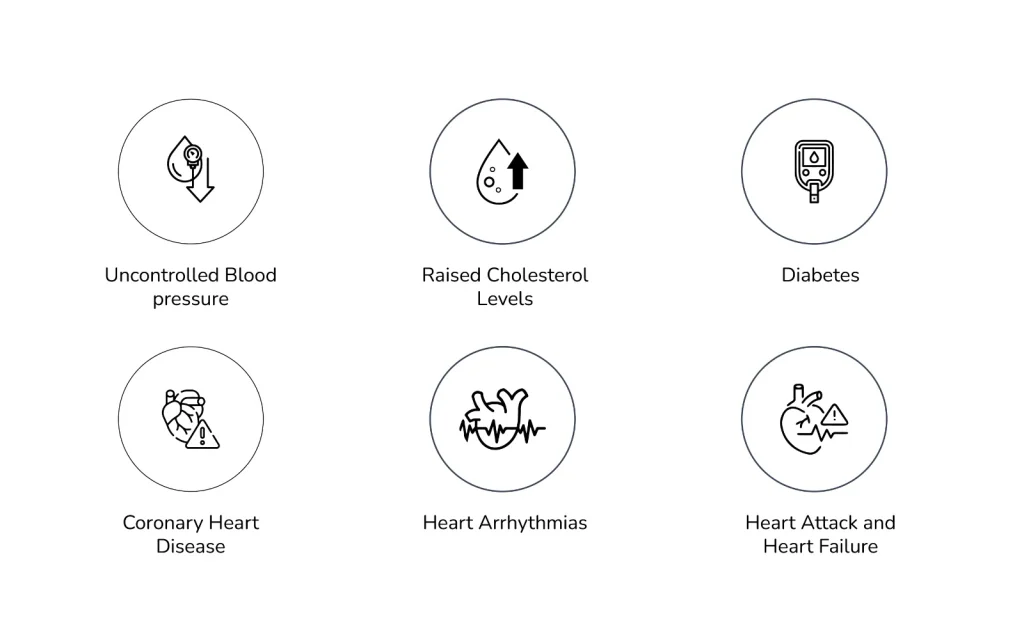
Coronary Heart Disease
Coronary heart disease is one of the main heart risks for men over 40. It happens when fatty deposits build up in the arteries. Over time, the arteries narrow, which raises the risk of angina or a heart attack.
Uncontrolled High Blood Pressure
Often called the silent killer, high blood pressure develops without any symptoms and is very common, especially in older adults. Over time, it can raise your risk of heart problems. The main causes include family history, age, an unhealthy diet, lack of exercise, stress, smoking and alcohol.
Note: The NHS recommends regular blood pressure checks, especially if you are over 40, have a family history of high blood pressure, or have other risk factors. Many pharmacies in the UK offer free checks for people aged 40 or over.
Raised Cholesterol Levels
High LDL cholesterol is another risk factor for heart disease in men over 40. Just like high blood pressure, it is also symptomless – you can feel completely fine, but your cholesterol levels may be abnormal. The NHS states that men over 50 are usually more at risk of high cholesterol than women.
Heart Arrhythmias
According to research, the frequency of heart rhythm abnormalities in middle-aged to older adults is significant. Atrial fibrillation and bradyarrhythmias are among the most common rhythm conditions. The incidence of bradyarrhythmias is higher in men aged 65 to 73 years.
Diabetes
After 40, men have higher chances of high blood sugar along with high blood pressure, excess weight and abnormal cholesterol levels. When these come together, they can raise your heart risk a lot. Unmanaged type 2 diabetes can damage your blood vessels and increase the risk of complications, such as coronary heart disease and stroke.
Family History
Family history is one of the biggest risk factors for heart disease. You can’t change it, but healthy lifestyle choices can go a long way in lowering your risk.
Early Warning Signs of Heart Disease in Men
Heart disease often develops silently for years. You don’t feel any symptoms until serious complications arise. However, here are some warning signs that you must not ignore to prevent any cardiovascular risks:
- Chest pain, discomfort, or pressure, particularly on exertion
- Palpitations or irregular heartbeat
- Breathlessness
- Unusual fatigue
- Reduced exercise tolerance
- Dizziness or fainting
If you feel any of these symptoms, particularly if they remain for more than 15 minutes, it’s important to seek urgent medical attention. Call 999 for emergency care.
How to Lower Your Risk of Heart Disease: What to Do?
The good news is that most heart risks can be minimised. Small, steady habits make a real difference, and it’s never too late to start.
- Stop Smoking: Quitting smoking is one of the most effective ways to protect your heart.
- Stay Active: Regular exercise, such as brisk walking, cycling or swimming, helps lower your risk of heart disease.
- Eat a Mediterranean Diet: Include plenty of vegetables, fruit, fish, whole grains, nuts and olive oil in your diet. Know more about heart-healthy foods
- Limit Alcohol: The NHS advises drinking no more than 14 units of alcohol per week.
- Manage Stress: Make time for activities that help you relax, such as walking, getting enough sleep, enjoying hobbies or talking to someone you trust.
- Maintain a Healthy Weight: Losing excess weight, particularly around your waist, can help reduce your risk.
- Know Your Numbers: Check your blood pressure, cholesterol and blood sugar levels regularly to identify potential risks early.
If you have a family history of heart disease or several risk factors, a dedicated heart screening goes further than a standard check and gives you a more detailed picture of your heart health.
How Is Heart Risk Assessed in Men Over 40?
Assessing heart health involves looking beyond individual readings such as blood pressure or cholesterol. A thorough cardiac assessment considers several risk factors together to provide a clearer picture of your cardiovascular health.
Dr Francesco Lo Monaco begins with a review of your medical and family history, lifestyle and any symptoms you may be experiencing. Depending on your individual needs, the assessment may include blood pressure measurement, blood tests to check cholesterol and blood sugar, and one or more of the following cardiac tests:
Further investigations may be recommended where necessary, including:
- Resting Electrocardiogram (ECG/EKG)
- Echocardiogram
- Exercise Tolerance Test (ETT)
- CT Coronary Angiogram
It is important to assess these risk factors together rather than focus on a single result. For example, mildly raised blood pressure, borderline cholesterol and obesity may collectively increase your risk of heart disease, even when none of these factors appear particularly concerning on their own.
Conclusion
Your 40s are an important time to understand your heart health and identify potential risks before they lead to serious complications. Even if you feel well, factors such as high blood pressure, cholesterol and family history can affect your cardiovascular health without obvious symptoms.
Dr Francesco Lo Monaco, Consultant Cardiologist in London, offers comprehensive cardiac assessments and diagnostic tests to identify potential heart problems and guide appropriate care.
Concerned about your heart health? Book a face-to-face or online consultation with Dr Lo Monaco to understand your heart health and discuss risk factors.
Disclaimer
The information provided in this blog is for general information and educational purposes only. The content is not intended to be a substitute for professional medical advice, diagnosis, or treatment. Always seek the advice of your GP or a qualified medical professional regarding any medical condition. If you are experiencing a medical emergency, please contact emergency services immediately.