
Know Your Numbers: Why Blood Pressure and Cholesterol Matter More Than You Think
You may feel fit and healthy, yet still have undiagnosed cholesterol or hidden blood pressure patterns without obvious symptoms. Even if you pay close attention to your health and have regular checkups, there is one simple question worth asking: Do you know your blood pressure and cholesterol numbers? For many people, the answer is no.
Blood pressure and cholesterol are often overlooked, but they are major contributors to cardiovascular wellness. The tricky part is, things can quietly go off track without a single obvious sign. High blood pressure and elevated cholesterol don’t trigger headaches, fatigue, or aches when they first develop. You can’t feel your blood vessels taking on extra strain or plaque slowly settling in. Because there are no red flags, millions go years without realising their heart is working harder than it should.
Knowing your numbers isn’t about worrying over lab results; it’s just an effective way to catch small issues while they’re easy to manage.
Why Knowing Your Numbers Actually Matters
High blood pressure and raised cholesterol are among the important modifiable risk factors for cardiovascular disease in the UK. Both can cause problems associated with the heart and blood vessels, especially if they remain undiagnosed or poorly controlled over time.
According to British Heart Foundation statistics 2026, around 16 million adults in the UK are living with high blood pressure, while millions more may have hypertension without knowing it. High blood pressure is also associated with a substantial number of cardiovascular events and deaths each year.
Similarly, elevated levels of LDL cholesterol are responsible for around 1 in 5 cardiovascular disease deaths in the UK, and around half of UK adults have cholesterol levels above the normal national guidelines.
Such alarming stats highlight the severity of the situation – treatment ineffectiveness is one issue and non-diagnosis another. That is why knowing your numbers matters. Identifying changes early helps you understand your individual risk and take appropriate action through lifestyle changes or medical treatment where required.
Blood Pressure: What the Numbers Actually Mean?
A blood pressure monitor measures the pressure of blood flowing through your arteries. Persistently high and untreated blood pressure can damage your heart, arteries, or kidneys. It is measured through two numbers:
- Systolic (the top number): The peak pressure generated when your heart beats and pumps blood.
- Diastolic (the bottom number): The resting pressure between beats, while your heart refills.
A healthy reading is usually around 120/80 mm Hg; however, it can vary depending on your age and recent lifestyle changes, such as stress, poor sleep, caffeine/tea, or even anxiety about being at the doctor’s office, commonly known as White Coat Syndrome.
Hypertension begins at a BP reading of 140/90 mmHg or higher in a clinic, or 135/85 mmHg at home. However, a single blood pressure reading may not be enough to make a diagnosis of hypertension.
For infrequent or hidden blood pressure patterns, your cardiologist may ask you to track readings at home for a week or wear an ambulatory monitor for 24 hours to see your true baseline.
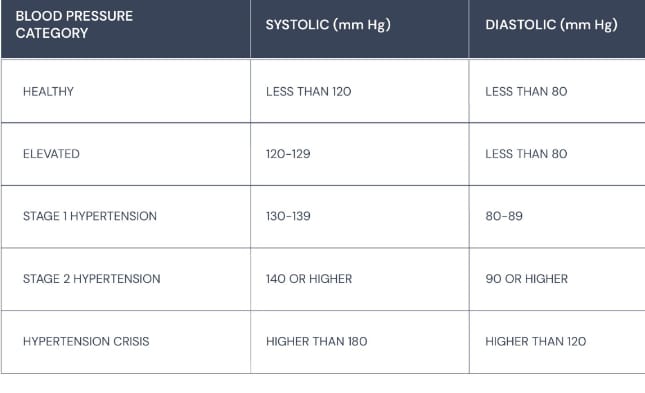
Blood Pressure Chart: What the Numbers Mean?
According to the NHS UK and NICE (National Institute for Health and Care Excellence) guidance, blood pressure readings are interpreted differently depending on whether they are measured in a healthcare setting or monitored at home. The chart below provides a general guide to understanding what your numbers may mean.
Why Does Uncontrolled Blood Pressure Matter Over Time?
When your heart constantly pushes against high resistance, the heart muscle thickens to compensate, which eventually weakens its pumping ability. At the same time, tiny tears in arterial walls make it much easier for circulating fats to accumulate and create blockages (known as atherosclerosis). If an artery in the brain clogs, that leads to a stroke; if a coronary vessel blocks, it causes a heart attack.
How to Monitor Your Blood Pressure?
If you have symptoms of high blood pressure or simply want to be proactive in managing your BP within a healthy range, you can keep track of your blood pressure ranges by one of the following ways:
- Check your blood pressure at home. Take your measurements using a reliable blood pressure monitor every day at consistent times in the morning and evening, and maintain a proper record for a week before visiting your GP.
- You can also have a free blood pressure check at your nearest pharmacy or as part of your NHS Health Check.
- For a more accurate diagnosis or to detect vague blood pressure patterns, such as masked hypertension or White Coat Syndrome, your cardiologist may advise an Ambulatory BP Monitor for 24 hours. The monitor records your blood pressure during normal daily activities and while you sleep, providing a more detailed picture of your BP patterns over a 24-hour period.
Get 24 Hour Blood Pressure Monitor
Cholesterol: Separating Fact from Fear
Cholesterol isn’t an enemy. Your liver makes it because your body needs it to build cell membranes, make hormones, and produce bile. The problem occurs when excess bad cholesterol circulates in your bloodstream. Over time, these extra particles build up into hard deposits known as plaques (atherosclerosis), narrowing the space for blood to flow. Also, if the level of triglycerides (a type of blood fat) in the blood rises, it may increase the risk of heart disease, stroke, and other cardiovascular complications.
What are Normal Cholesterol Levels?
The healthy cholesterol levels, mentioned by the NHS UK, are:
| Type of Cholesterol | Healthy/desired Levels |
| HDL (Good) Cholesterol | Above 1.0mmol/L for men or above 1.2mmol/L for women |
| LDL (Bad) Cholesterol | Below 3mmol/L |
| Non-HDL Cholesterol | Below 4mmol/L |
| Total Cholesterol | Below 5mmol/L |
| Total Cholesterol to HDL Ratio | 6mmol/L or below |
How Can You Get Your Blood Cholesterol Checked?
A blood test is usually needed to measure your cholesterol levels and analyse your overall lipid profile. You can have your cholesterol checked through your GP, as part of an NHS Health Check if you are eligible, or through a private blood testing service near you.
Your healthcare professional interprets cholesterol results based on your age, blood pressure, lifestyle, and medical & family history. The raised cholesterol levels may not necessarily mean you have heart disease. However, understanding your results can help identify whether lifestyle changes, further assessment, or treatment is required.
Simple Lifestyle Tips To Manage Your Numbers in a Healthy Range
Small daily adjustments can make a real difference in improving your blood pressure and cholesterol numbers. Here are some practical tips to keep your levels in a healthy range:
- Eat a balanced diet comprising healthy protein, fats, and fruits. Reduce sugar, processed foods, and tea/coffee.
- Maintain a healthy weight by following a good diet plan and regular physical activity. If you want structured support, join free NHS weight loss programmes available online.
- Stay active by regular walking, moderate exercise, or other physical activities, such as cycling, swimming, and light strength training.
- Limit alcohol and caffeine intake. Stick to the UK guidelines of no more than 14 units per week or 6 pints of beer a week spread out over several days.
- Quitting smoking is one of the most important steps you can take to protect your heart and improve your cardiovascular health. Whether you smoke traditional cigarettes or use vaping products, stopping can help improve the health of your heart and blood vessels
- Get Regular heart health checkups by a cardiac specialist to get insights into your cardiac health and improve it through personalised guidance and lifestyle changes.
Know Your Numbers to Protect Your Heart
Knowing your blood pressure and cholesterol numbers can help you understand your cardiovascular risk and identify potential concerns early. Regular checks, combined with healthy lifestyle choices and appropriate medical advice, can support better long-term heart health. If you have concerns about your cardiovascular health or need personalised guidance, book an appointment with Dr Francesco Lo Monaco, a leading heart specialist in London. Online consultations available all across the UK. Contact us to book your appointment today.
Disclaimer
The information provided in this blog is for general information and educational purposes only. The content is not intended to be a substitute for professional medical advice, diagnosis, or treatment. Always seek the advice of your GP or a qualified medical professional regarding any medical condition. If you are experiencing a medical emergency, please contact emergency services immediately.