
What Heart Conditions May Be Associated with an Irregular Heartbeat?
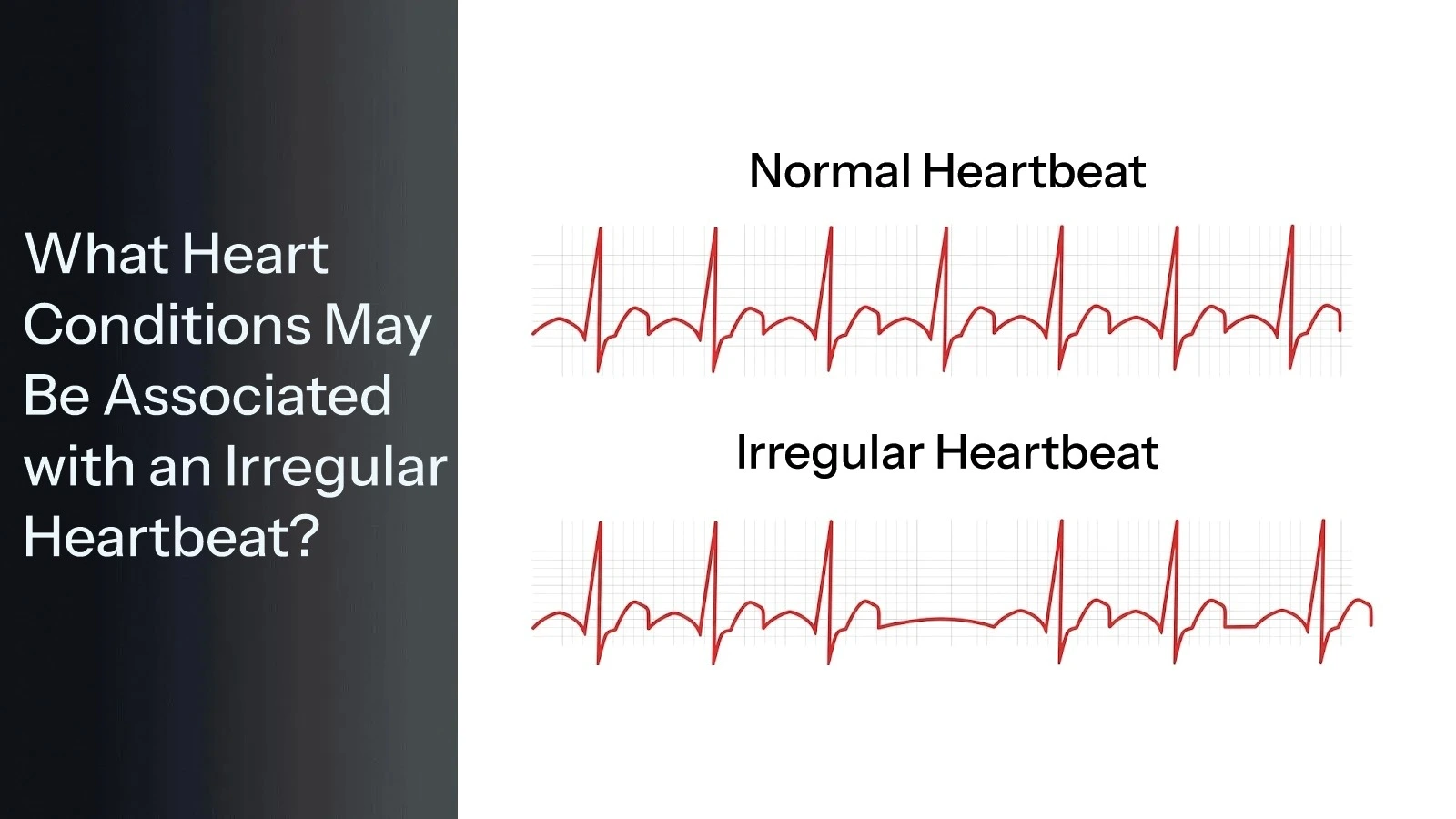
An irregular heartbeat, also known as an abnormal heart rhythm or arrhythmia, can occur due to stress, poor sleep, electrolyte imbalances, or underlying heart conditions. Although occasional changes in heart rhythm aren’t always a cause for concern, frequent or persistent palpitations may be linked with conditions such as atrial fibrillation, supraventricular tachycardia (SVT), or heart block. Identifying the underlying cause helps determine whether lifestyle adjustments can help or a proper medical treatment is required.

Don’t Wait Weeks for Answers
Get fast, specialist-led heart checks with same-day or quick appointments
What is an Irregular Heartbeat?
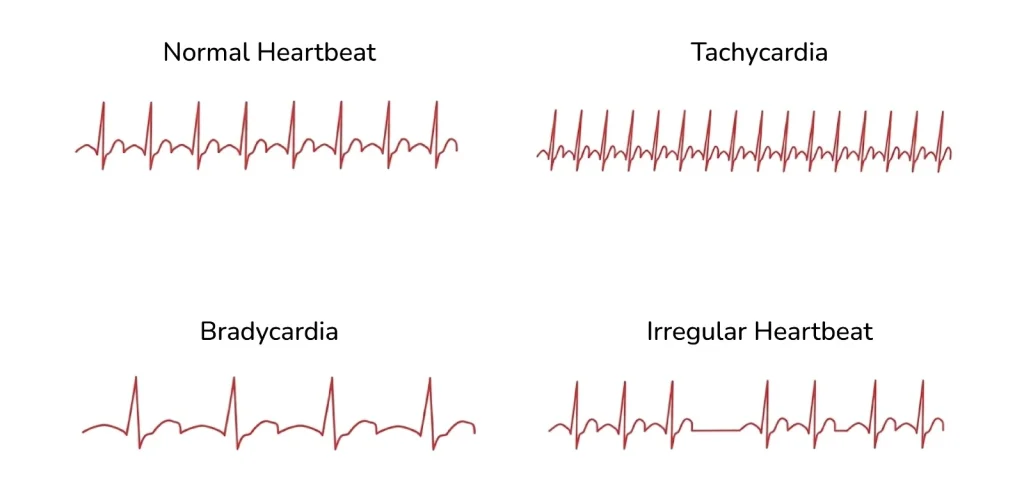
An irregular heartbeat is a disruption in the heart’s electrical signals, causing it to beat too fast, too slow, or in an abnormal pattern. A normal heartbeat follows a smooth, regular rhythm, known as sinus rhythm, and ranges from 60 to 100 beats per minute (BPM) at rest. Some heart rhythm abnormalities are short-term and harmless, while others are serious and may require medical attention.
Causes and Symptoms of Arrhythhmias in Women
What Heart Conditions May Be Associated with an Irregular Heartbeat?
Supraventricular Tachycardia (SVT)
Supraventricular Tachycardia is a heart rhythm abnormality that causes episodes of a rapid heartbeat, often reaching 150 beats per minute or more at rest. SVT episodes may feel like a pounding sensation in the chest, and sometimes cause dizziness or anxiety. Mostly, SVT is not life-threatening, but frequent and prolonged episodes may require proper assessment to identify the underlying cause.
Bradycardia
Bradycardia is an irregular heart rhythm in which the heart beats slower than normal (less than 60 times per minute). It occurs due to issues with the heart’s natural pacemaker or its electrical conduction system. A slower heart rate can be normal in trained athletes whose hearts pump blood more efficiently. However, bradycardia can be serious if the heart beats too slowly to pump enough oxygen-rich blood around the body. This may cause dizziness, fatigue, or breathlessness.
Atrial Flutter
Atrial Flutter is a heart rhythm disorder in which the upper chambers of the heart (atria) beat too fast (around 250-300 beats per minute) but in an organised pattern. Treatment can often restore a normal rhythm or control the heart rate. If symptoms, such as chest pain or pressure, breathlessness, or dizziness appear, seeking urgent medical attention is necessary.
Atrial Fibrillation
Atrial Fibrillation is an abnormal heart rhythm in which the heart beats rapidly, typically above 100 beats per minute. In a healthy heart, electrical impulses coordinate the heartbeat, allowing the heart to pump blood to the lungs and the rest of the body. In atrial fibrillation, these signals disrupt the normal electrical activity, causing the atria to quiver and disturb normal blood flow, leading to an increased risk of stroke or heart attack.
Heart Block
Heart block is a condition in which electrical signals are delayed or interrupted as they travel from the heart’s upper chambers (atria) to its lower chambers (ventricles). It can range from mild to severe, depending on the severity of interruption. Some types may not cause symptoms, while more severe cases can cause dizziness, fainting, or other symptoms that require medical attention.
Coronary Artery Disease
Narrowed or blocked arteries reduce the oxygen-rich blood flow to the heart muscle and damage the cells that regulate rhythm. Severe blockages in CAD can cause heart rhythm abnormalities and trigger chest pain, heart attack, stroke, or other serious heart complications.
Other Possible Reasons
Not all irregularities in heart rhythm are caused by cardiac conditions. Some may be triggered by lifestyle factors or other health conditions, such as:
- Dehydration
- Stress or anxiety
- Electrolyte imbalance
- Lack of proper sleep or obstructive sleep apnoea
- Caffeine
- Smoking
- Obesity
- Thyroid disorder
- Infections
- Certain medicines
How Is an Irregular Heart Rhythm Diagnosed?
An irregular heart rhythm can be diagnosed through a physical examination, a review of symptoms, and your family and medical history. If needed, your cardiologist may recommend heart tests, such as:
- Electrocardiogram (ECG): Records the heart’s electrical activity to help identify abnormal rhythms.
- Holter Monitor: Records the heart’s electrical activity over an extended period, usually 24 hours to 14 days, depending on your cardiologist’s recommendation.
- Echocardiogram: Uses ultrasound to examine the heart’s structure and function.
When to Seek Medical Attention?
An occasional irregular heartbeat may not indicate a serious problem. However, seek medical advice if you experience frequent palpitations, or if they are accompanied by dizziness, unusual fatigue, or breathlessness. Seek emergency medical help if palpitations occur with chest pain, severe breathlessness, or fainting.
Conclusion
An irregular heartbeat can have several causes, ranging from lifestyle factors to underlying heart conditions. Identifying the cause is important because some rhythm abnormalities require treatment to reduce the risk of complications.
If you experience persistent palpitations or other symptoms of an abnormal heart rhythm, book a consultation with Dr Francesco Lo Monaco, Consultant Cardiologist in London, to discuss your symptoms and receive specialist-led diagnostics and personalised treatment. Online consultations are also available for patients across the UK.
Disclaimer
The information provided in this blog is for general information and educational purposes only. The content is not intended to be a substitute for professional medical advice, diagnosis, or treatment. Always seek the advice of your GP or a qualified medical professional regarding any medical condition. If you are experiencing a medical emergency, please contact emergency services immediately.