
What Is 24 Hour Blood Pressure Monitoring? Why Do I Need It?
Sometimes your blood pressure stays normal throughout the day but rises in a clinical setting due to anxiety – a phenomenon known as ‘white-coat hypertension.’ Other times, the opposite happens, i.e., your blood pressure reads normal at the clinic but stays elevated at home, a condition called ‘masked hypertension.’ Both situations can leave you wondering,
Is my blood pressure actually normal? Neither can be fully answered by a single clinic reading.
This is where 24 hour blood pressure monitoring (also known as ambulatory blood pressure monitoring – ABPM) plays a crucial role. It tracks your BP over a day, capturing how it behaves during normal activities and even while you sleep. In this guide, we explain what 24-hour BP monitoring is, how it works, and when you might need it.
Not Sure If Your Blood Pressure Is Normal?
Get accurate, round-the-clock blood pressure insights with a specialist-led ABPM test. Book Your Ambulatory Blood Pressure Monitor
What is a 24Hr Blood Pressure Monitor?
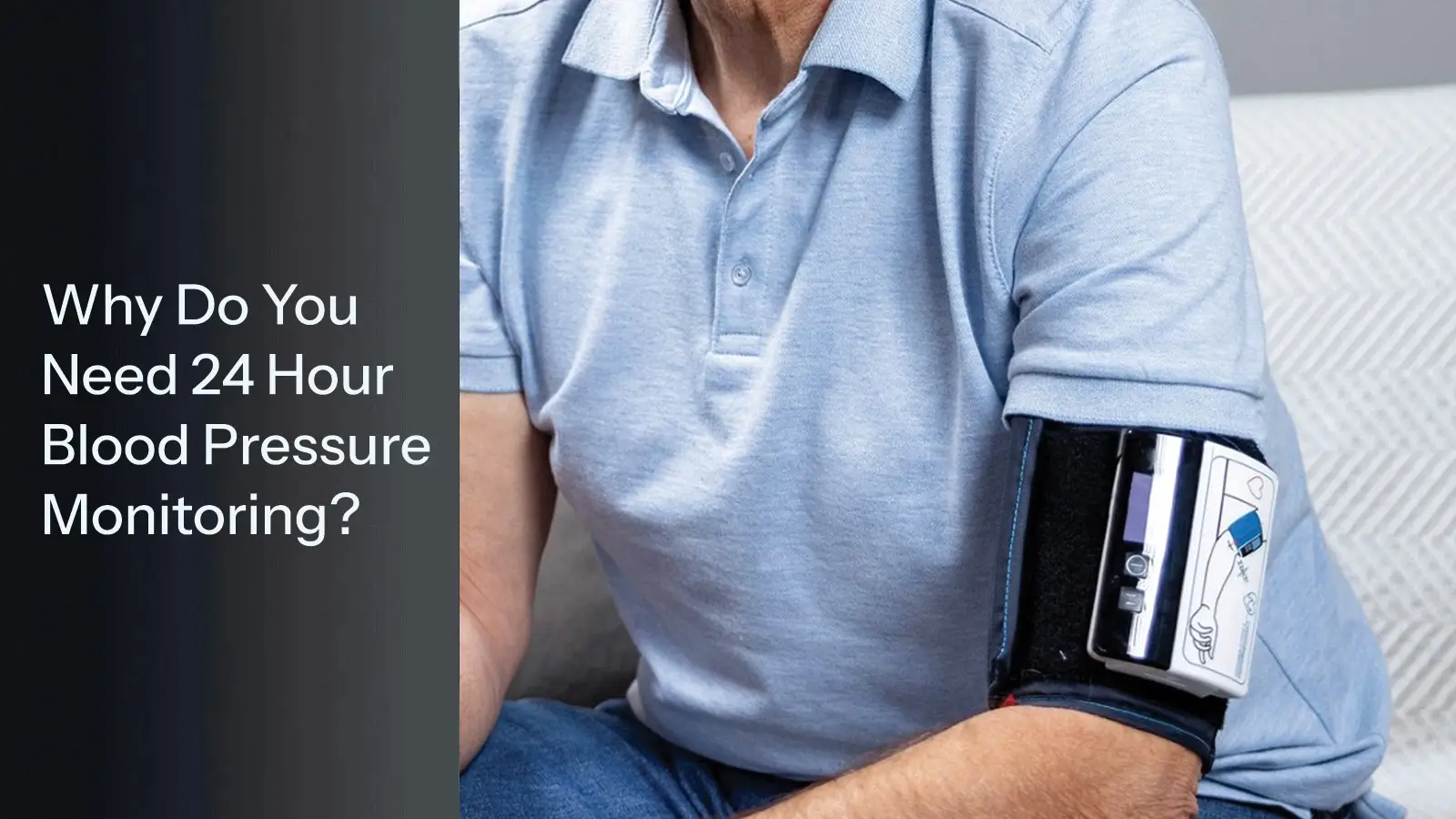
A 24hr BP monitor, also known as an Ambulatory BP Monitor (ABPM), is a portable blood pressure monitoring device. It measures your blood pressure throughout the day, at regular intervals during daily activities and while you sleep, revealing what a single clinic reading often can miss. Your cardiologist usually recommends wearing this device for 24 hours when symptoms and BP readings don’t match and detecting the underlying reason is required.
What Procedure is Involved?
For ambulatory blood pressure monitoring, you wear a BP cuff on your upper arm for 24 hours. It is connected to a small device on a belt or strap worn around your body. The cuff inflates automatically every 15-30 minutes during the day and every hour at night while you sleep to take blood pressure readings. It’s slightly uncomfortable when it inflates, but the information it provides is invaluable. During the monitoring period, you can carry on with your routine activities apart from having a bath or going swimming.
Why Would a Cardiologist Recommend Ambulatory Blood Pressure Monitoring?
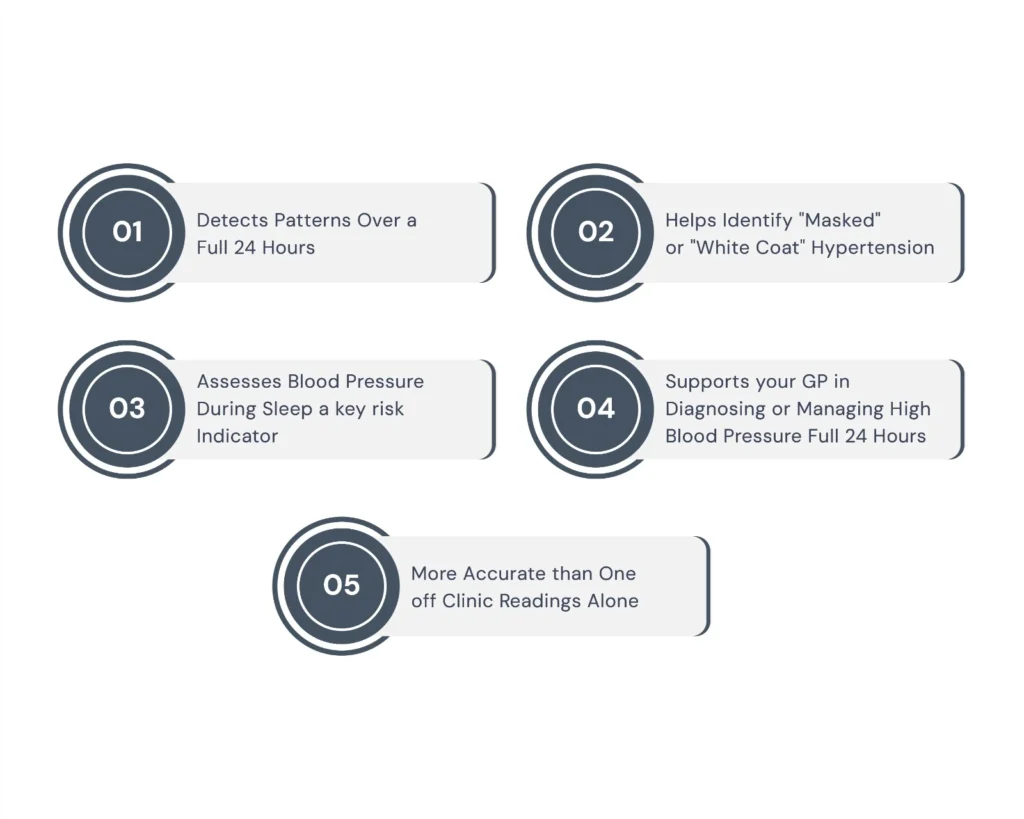
Your cardiologist may recommend an ambulatory blood pressure monitor for several reasons:
- To confirm nocturnal dipping: Ideally, your blood pressure should drop by 10-20% during sleep. If it doesn’t, this may be an early warning sign of cardiovascular issues.
- To capture morning BP surge: A dangerous spike in blood pressure that can occur shortly after waking up.
- To assess medication effectiveness: Shows how well your current medication controls blood pressure over a full 24-hour cycle.
- To detect white-coat, masked, or resistant hypertension: It helps identify cases where your symptoms don’t match your blood pressure readings, whether at home or in a clinical setting.
Tips for Accurate ABPM Readings
Getting reliable results from your ambulatory blood pressure monitor isn’t just about wearing the device and waiting for the readings at regular intervals. Instead, following the guidelines correctly while wearing the device can make a real difference. Here are some important tips for successful ABPM readings:
- Talk to your doctor before your monitoring period to discuss what to expect, whether to take your usual medications as scheduled, and what kind of readings should prompt you to contact them immediately.
- Keep a simple activity diary and note your specific symptoms and what you experience during the monitoring period.
- Take all your routine medicines until you are advised not to.
- Avoid getting the monitor wet and changing the cuff’s positioning. If you feel it is loose, contact your provider’s office rather than repositioning it.
- Remove the cuff and the connected machine after the monitoring period and return it to your cardiology team. Make sure to get instructions from the team for removing the device correctly.
What Clothes Should I Wear for the Appointment?
You should wear loose, comfortable clothing, preferably a short-sleeved top, as the monitor will be fitted on your upper arm, underneath your top. Tight, full-sleeved garments can make you feel uncomfortable and may even interfere with the accuracy of your readings.
Do I Need to Adjust My Daily Routine With ABPM?
No, because an ambulatory BP monitor is designed to track your blood pressure over 24 hours, during your normal daily activities and while you sleep. Sticking to your routine gives your doctor the most accurate picture of how your blood pressure behaves in real life.
Can I Take a Shower During the Monitoring Period?
Generally, it’s best to avoid showering while wearing the device, unless your provider has confirmed it’s waterproof. If you do need to bathe, you’ll usually need to remove the monitor first to prevent water damage. Afterward, the cuff needs to be repositioned correctly to keep your readings accurate – if you’re unsure how to do this yourself, contact your doctor’s office for guidance rather than guessing.
Can I Sleep While Wearing the Device?
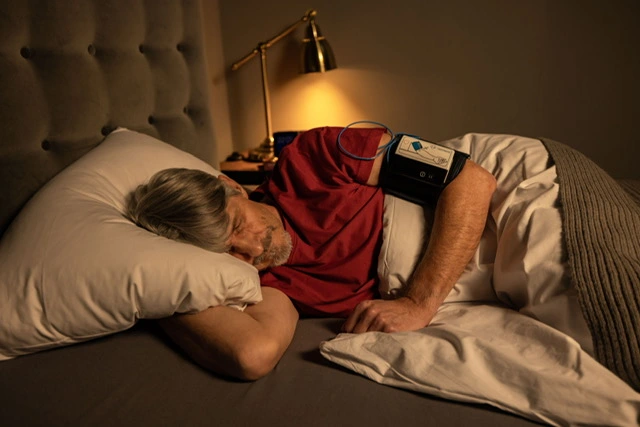
Yes, you can sleep while wearing your ABPM device. In fact, nighttime readings are important, since they help detect nocturnal dipping or abnormal BP during your sleep. Just be sure to follow your provider’s instructions.
Know More About the Correct Way to Sleep With ABPM
Conclusion
An accurate diagnosis of high blood pressure cannot be made based on just one or two readings. Home blood pressure monitoring, done under your healthcare provider’s guidance, or ambulatory BP monitoring can offer a far more reliable picture. If you’re confused about your blood pressure, whether it stays normal or fluctuates throughout the day, an ABPM can give you better insights. It tracks your blood pressure over a full 24 hours and helps identify what’s causing those changes.
Looking for trusted ABPM monitoring in London? Book your 24-hour ambulatory blood pressure monitor with Dr Francesco Lo Monaco, a leading consultant cardiologist, and get clarity about your blood pressure patterns.
Disclaimer
The information provided in this blog is for general information and educational purposes only. The content is not intended to be a substitute for professional medical advice, diagnosis, or treatment. Always seek the advice of your GP or a qualified medical professional regarding any medical condition. If you are experiencing a medical emergency, please contact emergency services immediately.